
Western Canada road trip: 20-day campervan itinerary
If you are planning a Western Canada road trip and want to make the most of your time, this 20-day itinerary takes you through some of the country’s most impressive places. From the skyscrapers of Vancouver to the spectacular Rocky Mountain national parks and the wilderness of Vancouver Island, this route is ideal for anyone looking for outdoor adventures, beautiful landscapes and wildlife.
Useful information
Who is this itinerary for?
This itinerary is ideal for travellers who:
- Want to see the best of Western Canada in three weeks.
- Enjoy nature and outdoor activities.
- Want a balance between city life and natural landscapes.
How is the itinerary organised?
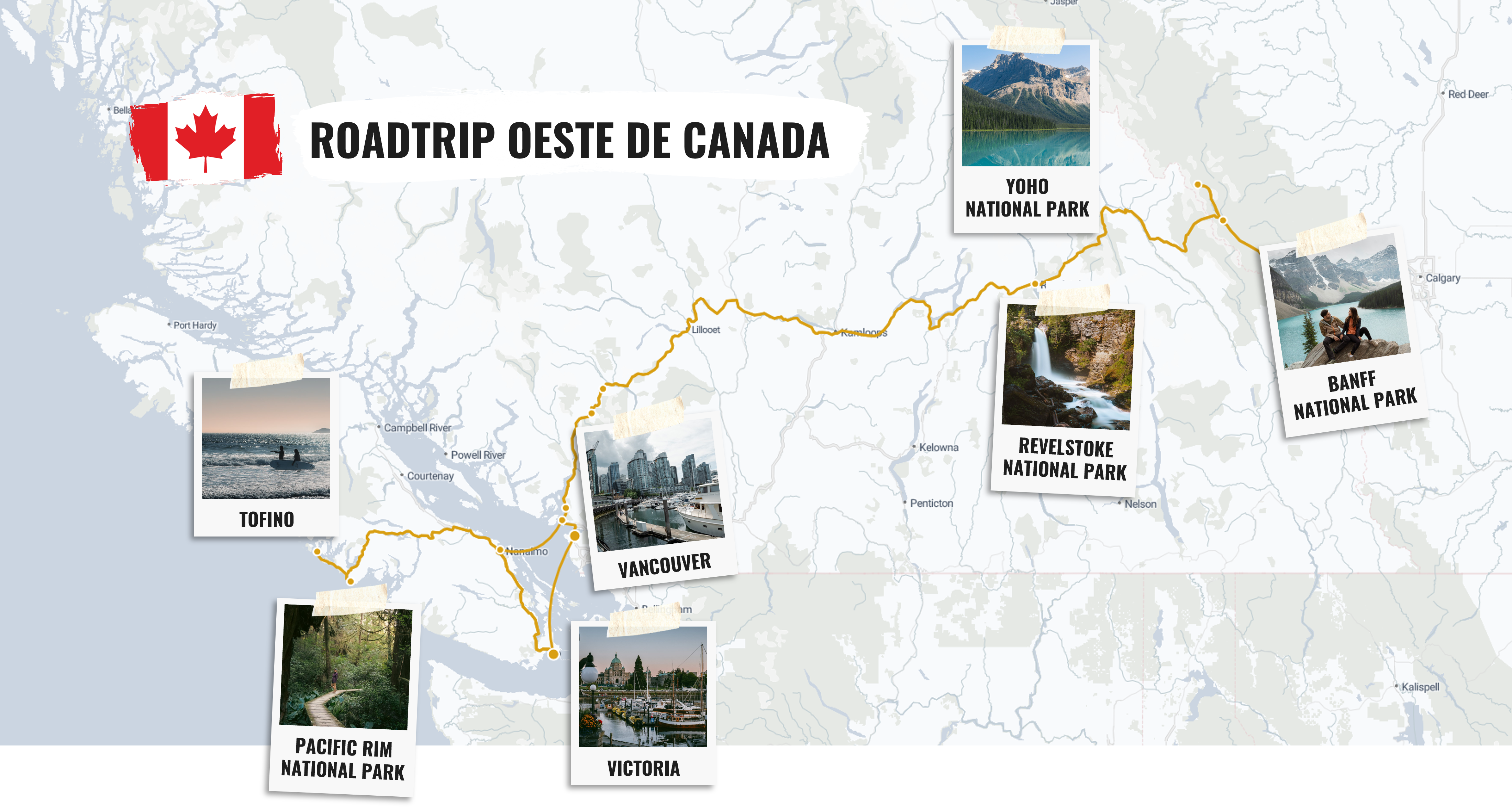
- Days 1–3: Vancouver and the surrounding area.
- Days 4–5: Whistler and nearby provincial parks.
- Days 6–11: The Rocky Mountain national parks.
- Days 12–13: Driving back towards the coast, with stops in Kamloops and Whistler.
- Days 14–19: Vancouver Island, surfing, nature and Victoria.
- Day 20: Return home.
Tips before your trip
Best time to visit: Between June and September. Temperatures are generally mild, and most mountain trails are usually accessible.
Getting around: To make the most of this Western Canada road trip, we recommend renting a campervan or motorhome so you can travel at your own pace. You can also do the trip by car or bus.
Reservations: We recommend planning your national park visits and campsites well in advance. Camping in Canadian national parks is only allowed in designated areas, so securing a campsite is important. Check the official Parks Canada website for the latest information on park entry and reservations. Remember to check whether you need a separate park pass, as campsite fees and park admission are not necessarily the same.
Our experience in Western Canada
We have kept this itinerary relatively short and easy to follow. We also wrote a separate blog post sharing our personal experience in much more detail, day by day, throughout this wonderful trip.
We hope this itinerary gives you a clear, practical starting point for planning your own campervan trip through Western Canada and enjoying its incredible scenery.
Days 1–3: Vancouver and the surrounding area
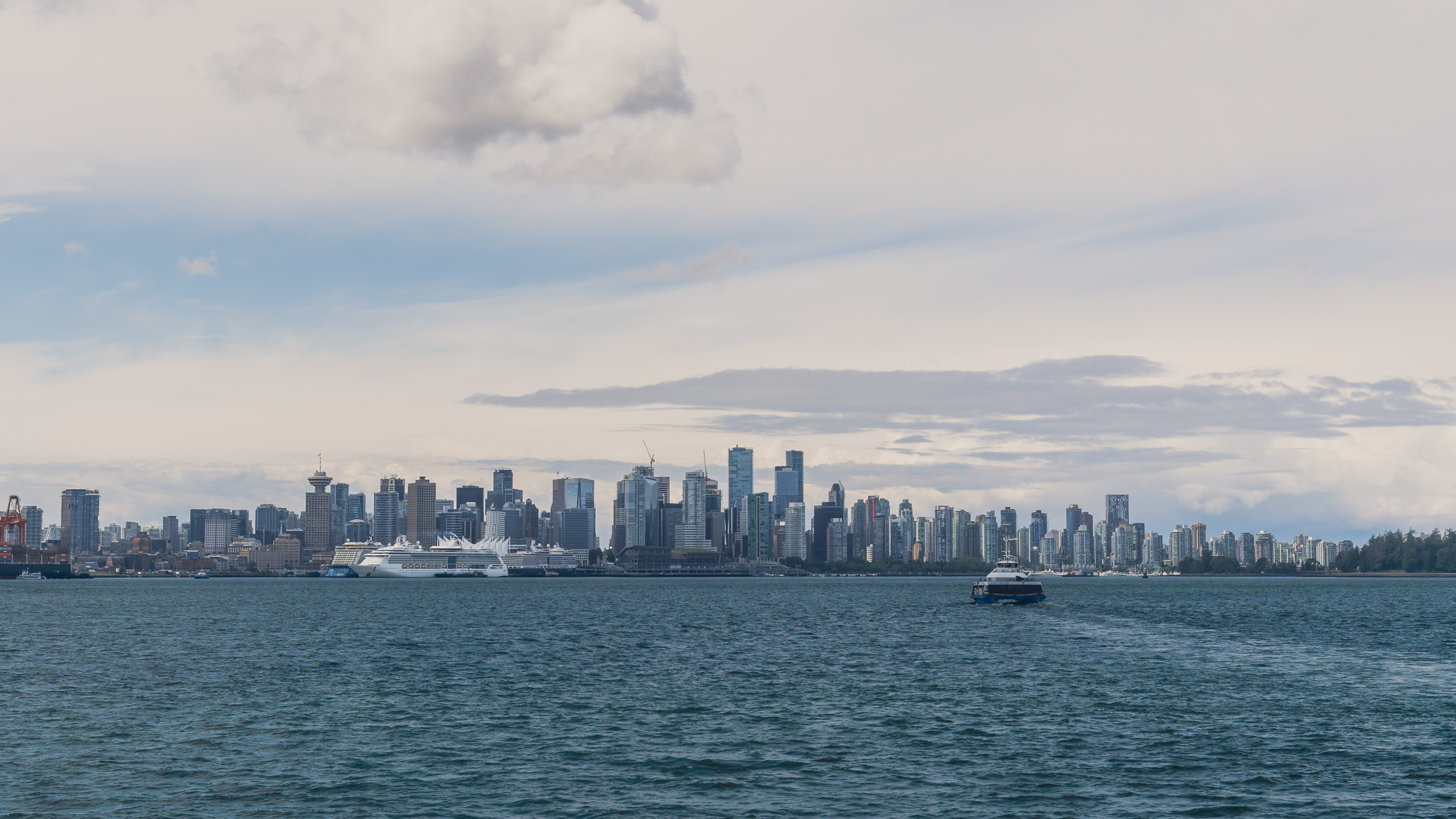
Our trip began without the campervan, as we spent the first few days exploring Vancouver. Soon enough, though, we would meet Simba, the van that made the rest of our Western Canada adventure possible.
Day 1: Arriving in Vancouver, exploring downtown and first impressions
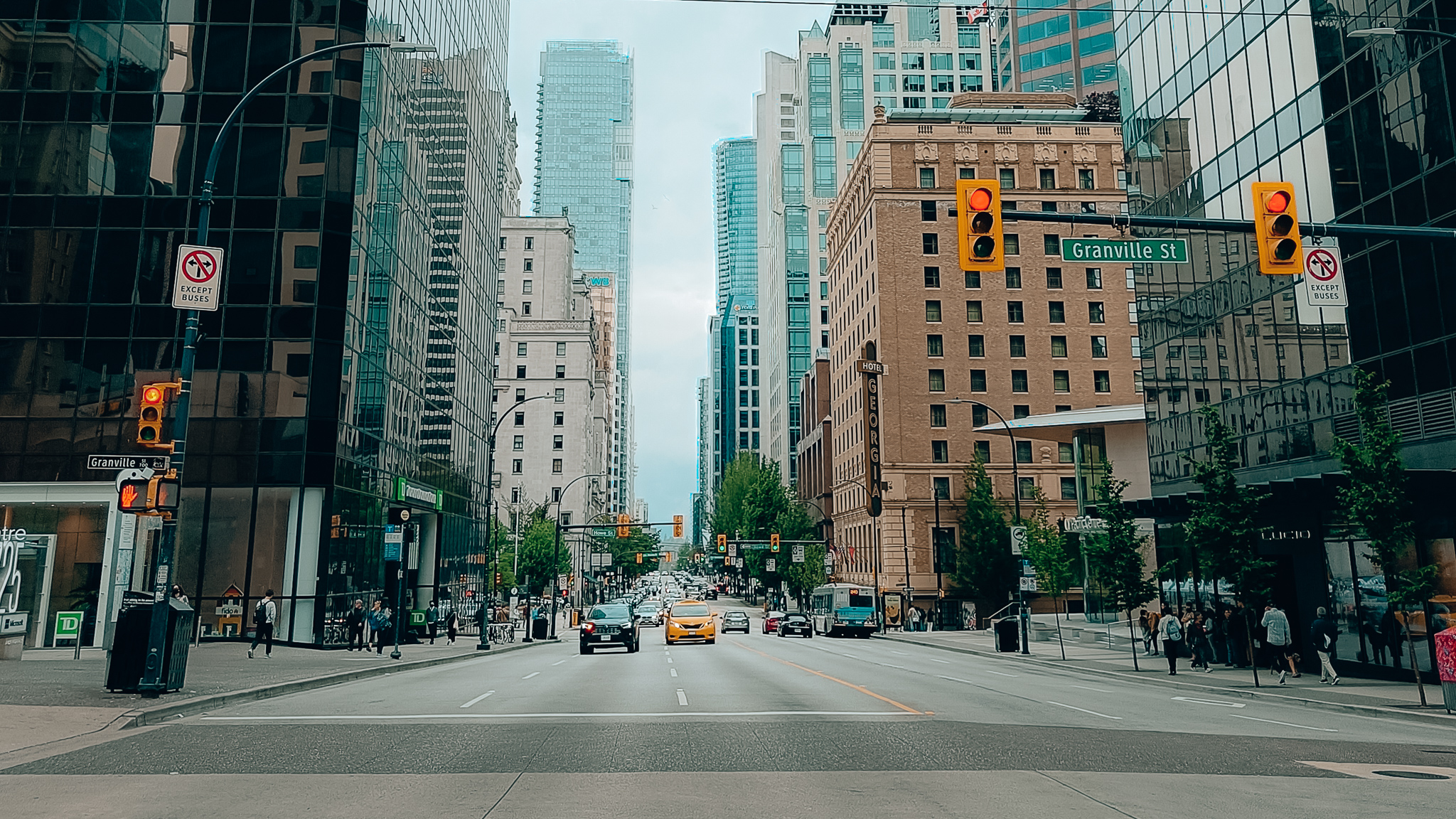
We started our Western Canada trip in one of British Columbia’s best-known cities: Vancouver. We suggest spending your first day exploring downtown. We also visited Chinatown, although we would not particularly recommend it based on our experience. During our visit in June 2023, we encountered a high concentration of people experiencing homelessness and visible drug-related problems, which made the visit uncomfortable for us. We do not know whether the situation has changed, so we recommend checking more recent information before adding it to your itinerary.
Day 2: Stanley Park, the waterfront and Granville Island
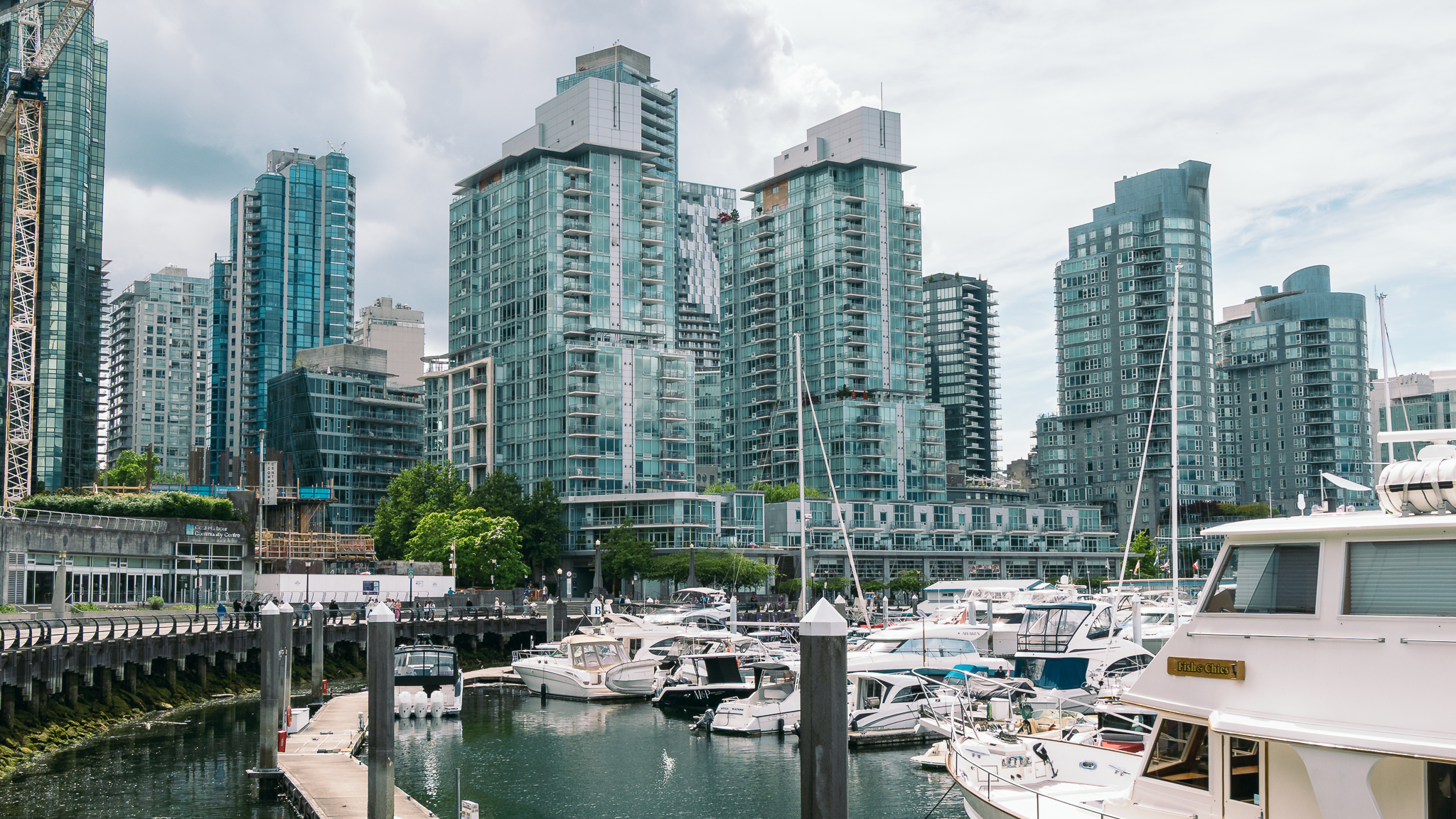
📍 Highlight: Stanley Park. Exploring Stanley Park is one of the best things to do in Vancouver. We recommend renting bikes, as the park is huge and cycling makes it much easier to see a good part of it without spending the whole day there.
After the park, a walk along Vancouver’s waterfront is a great way to keep exploring the city.
For lunch, we suggest heading to Granville Island, Vancouver’s more alternative side. You can get there by taking a small ferry across the water. We recommend eating at the public market, where you can choose food from different stalls and try a few things.
After browsing the independent shops on Granville Island, we returned downtown and took a bus to English Bay Beach. We definitely recommend being there around sunset.
Day 3: North Vancouver, Lynn Canyon Park and suspension bridges
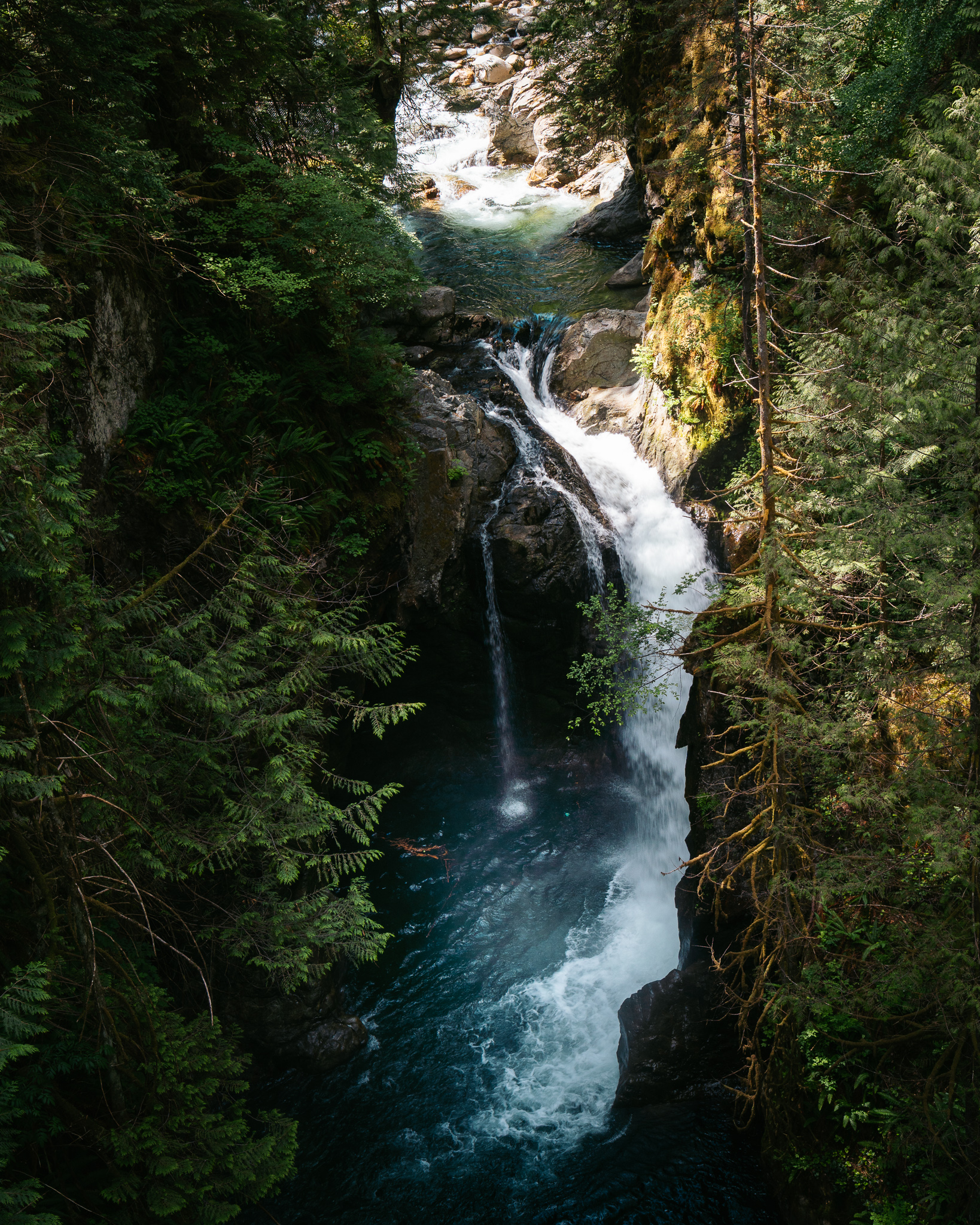
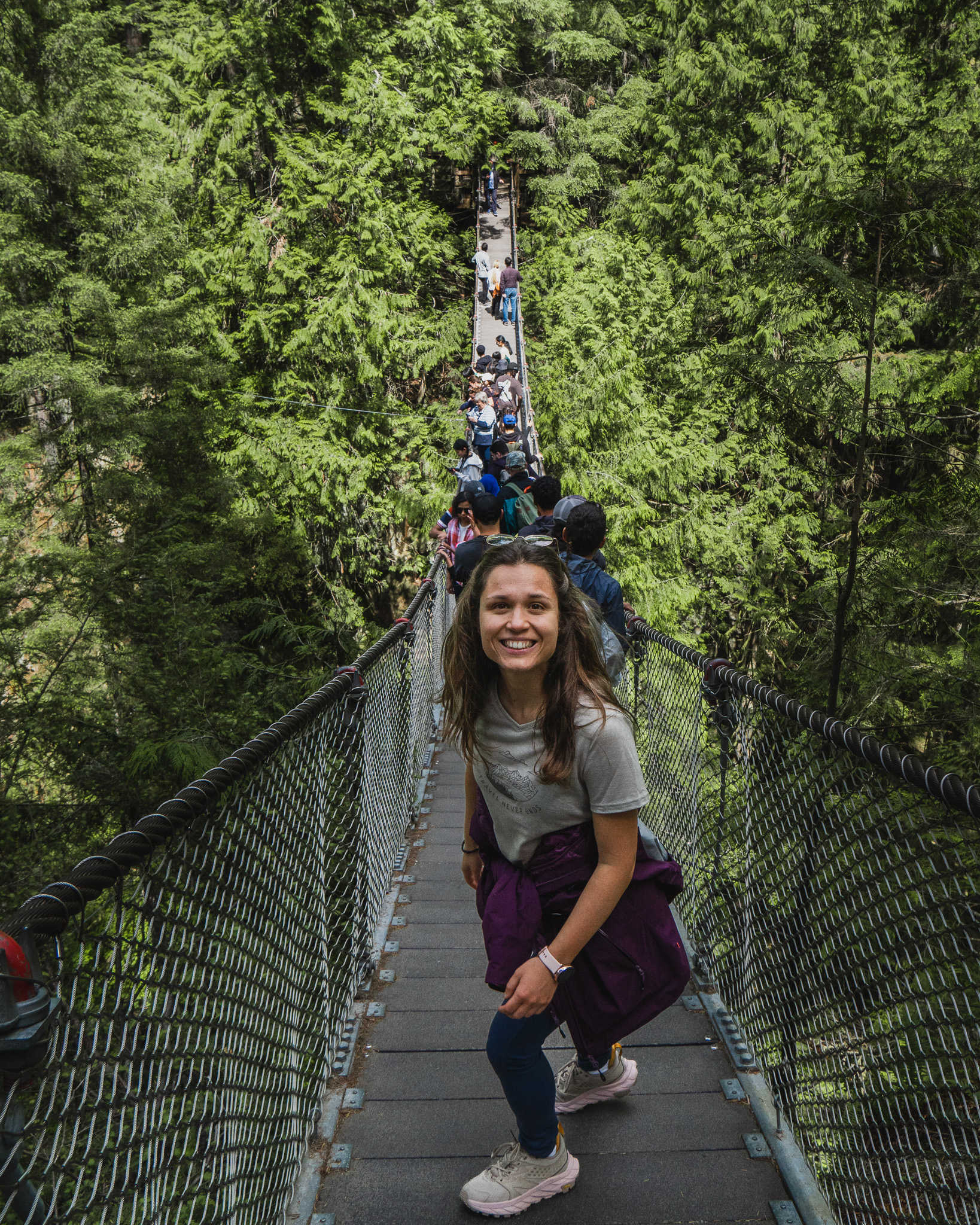
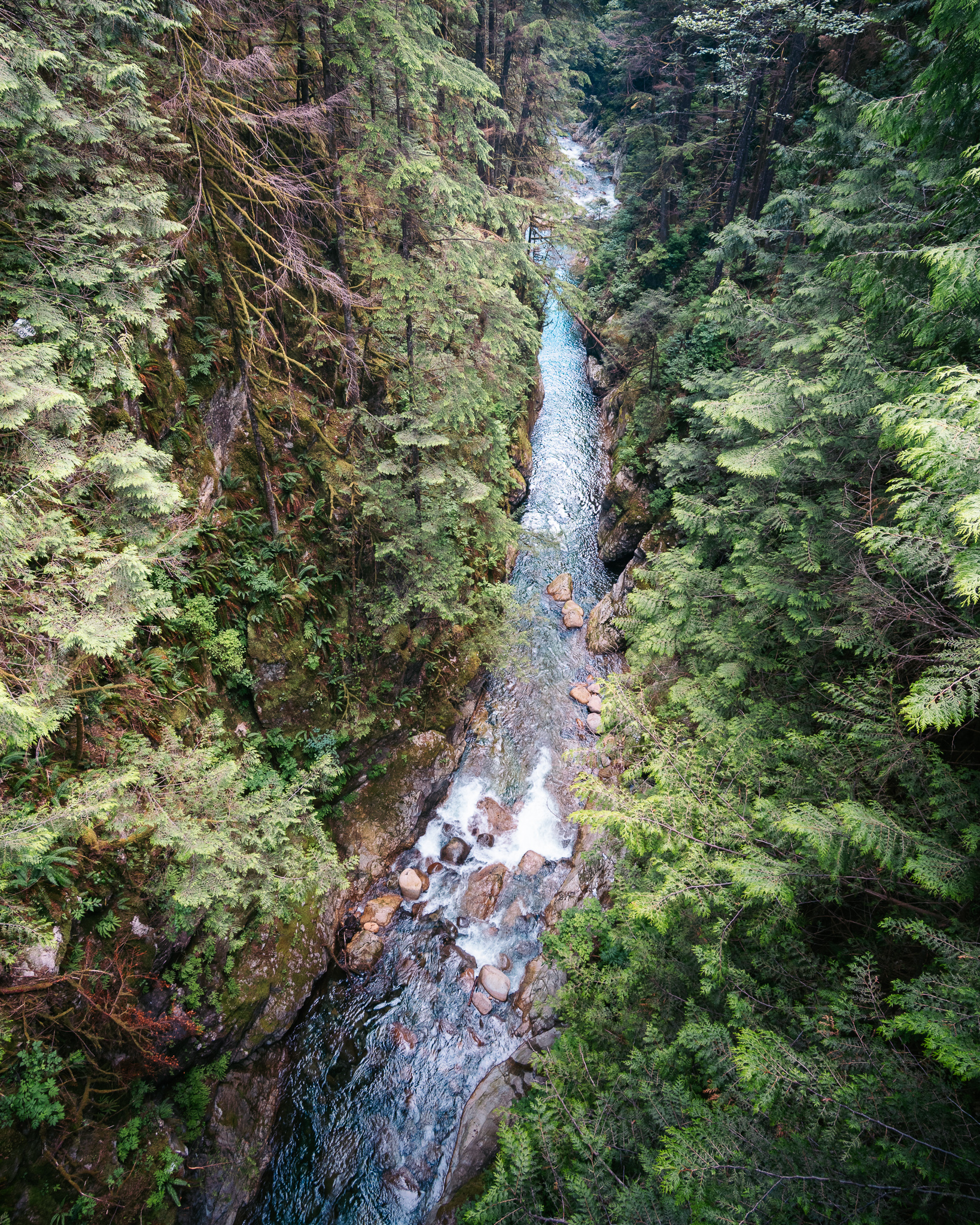
On the third day, we suggest leaving the city centre and exploring North Vancouver. From there, you can reach Lynn Canyon Park, a lovely place to hike and reconnect with nature.
🚶♂️ Hiking trail: We suggest the short Lynn Canyon Loop Trail, a circular walk of around 5 km (3.1 miles), taking 1.5–2 hours. It crosses the famous suspension bridge, a free and less touristy alternative to Capilano Suspension Bridge. You can also see Twin Falls, the 30 Foot Pool, a natural pool with clear water where swimming is generally not permitted, and part of the Baden-Powell Trail.
Before catching the bus to Lynn Canyon Park, you could stop for lunch in North Vancouver. We went to a Korean restaurant that we really liked, so here is the location in case you are looking for somewhere to eat.
Days 4–5: Exploring the Whistler region
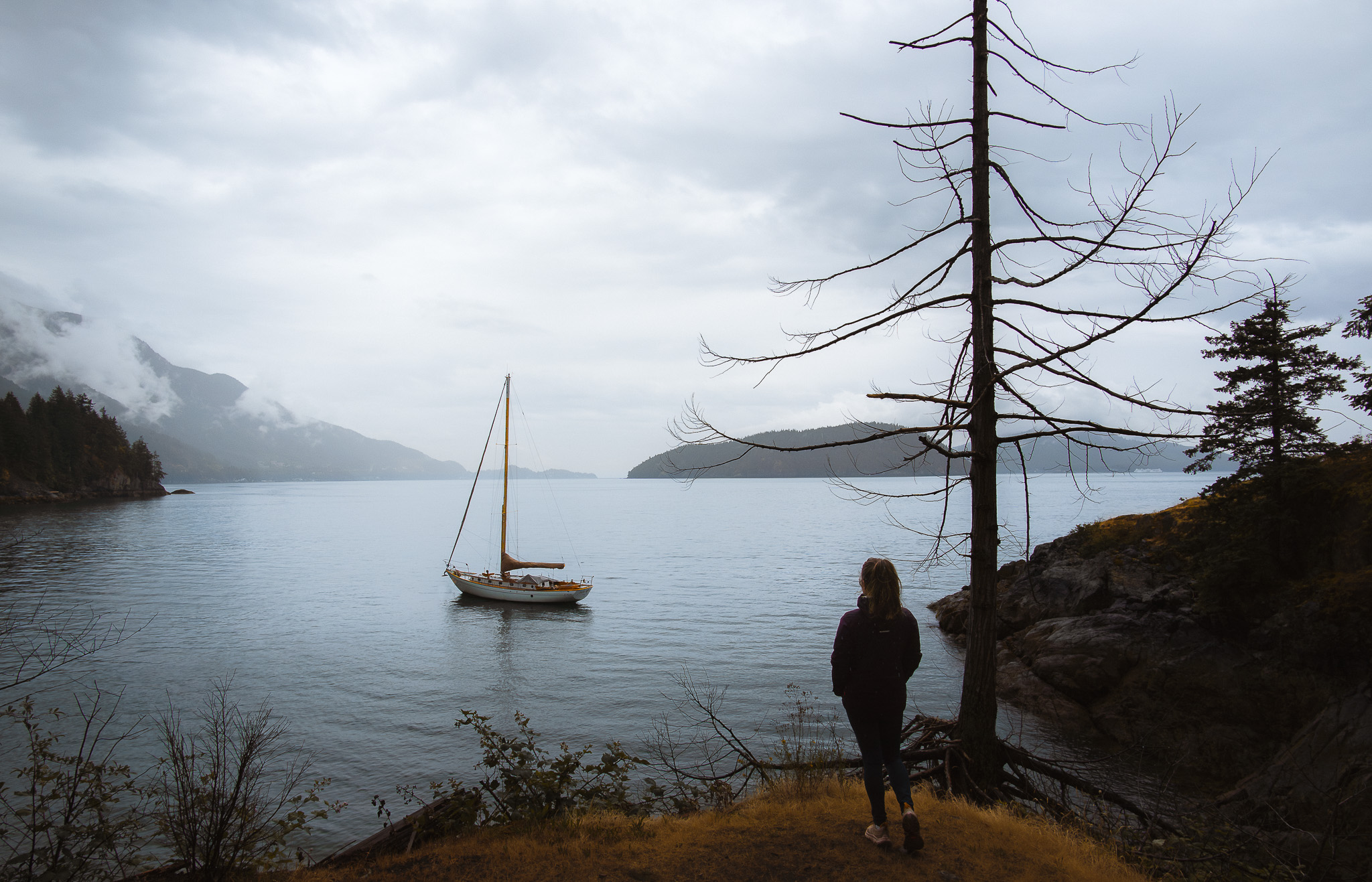
From day four, the real road trip begins. We picked up our campervan and headed from Vancouver towards Banff National Park, travelling through some spectacular landscapes along the way.
Day 4: Driving to Whistler and Nairn Falls
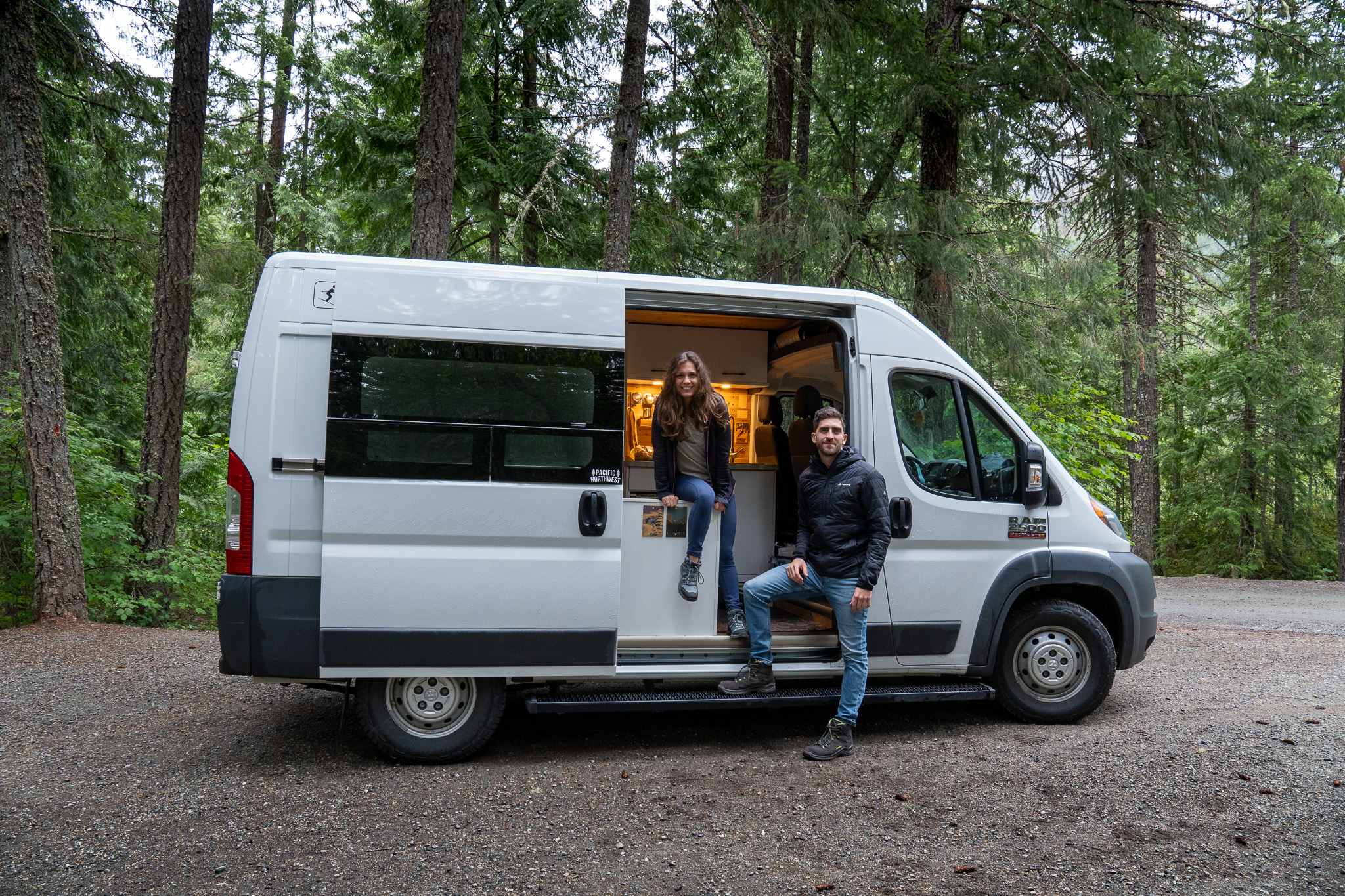
📍 Highlight: Whistler. Our first stop was Whistler, a famous mountain destination. Depending on how much time you have, you can simply explore the village or rent mountain bikes and enjoy some of the fantastic trails in the area.
We explored the village on our way out and went mountain biking on our return. For more details about our experience and the little stops we made along the way, have a look at our Western Canada travel diary.
🌙 Where to stay: We spent the night at Nairn Falls Campground, in the provincial park of the same name.
Day 5: Hiking in Joffre Lakes Provincial Park
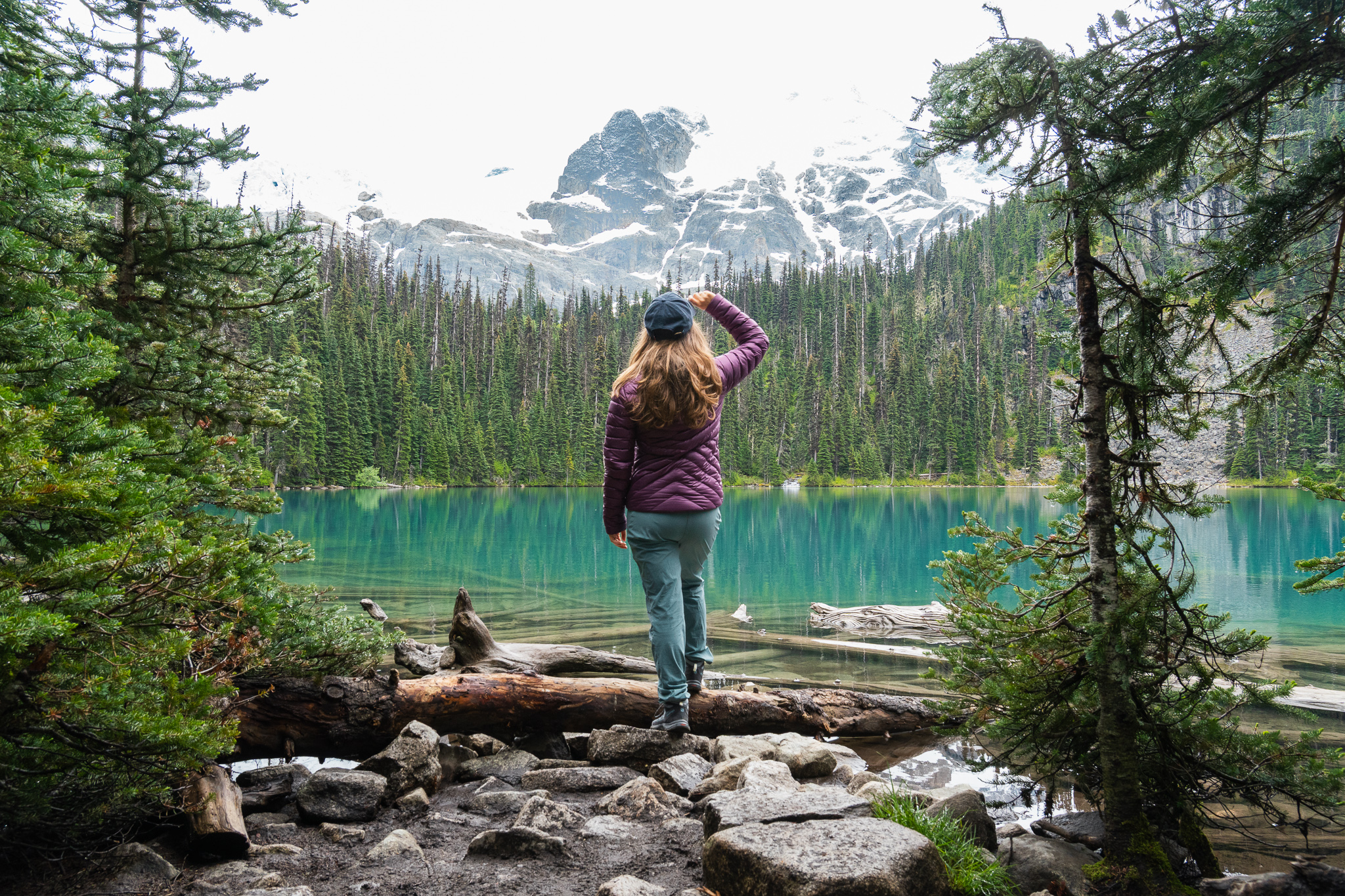
📍 Highlight: Joffre Lakes Provincial Park. Our next stop was Joffre Lakes Provincial Park, around 40 minutes from Nairn Falls Campground. The park is famous for its three turquoise lakes, which you can visit on a single hiking trail. That is the route we recommend, ending at Upper Joffre Lake with spectacular views of Matier Glacier.
🚶♂️ Hiking trail: We recommend hiking past all three lakes to the glacier viewpoint. It is a beautiful route and a great preview of the scenery waiting for you in the Canadian Rockies.
Heading towards Banff: We still had around nine hours of driving ahead of us to reach Banff, one of the main destinations of our trip. Rather than driving all the way in one go, we did around six hours that day and stayed overnight in Revelstoke, leaving a much shorter drive for the next morning.
📢 Road trip tip: Canada is enormous, and driving distances can be long. Try to enjoy the scenery along the way and keep an eye out for wildlife, while always paying attention to the road. A playlist of your favourite music or an interesting podcast can also make those long drives more enjoyable.
🌙 Where to stay: We spent the night at Snowforest Campground in Revelstoke.
Days 6–11: The Rocky Mountain national parks
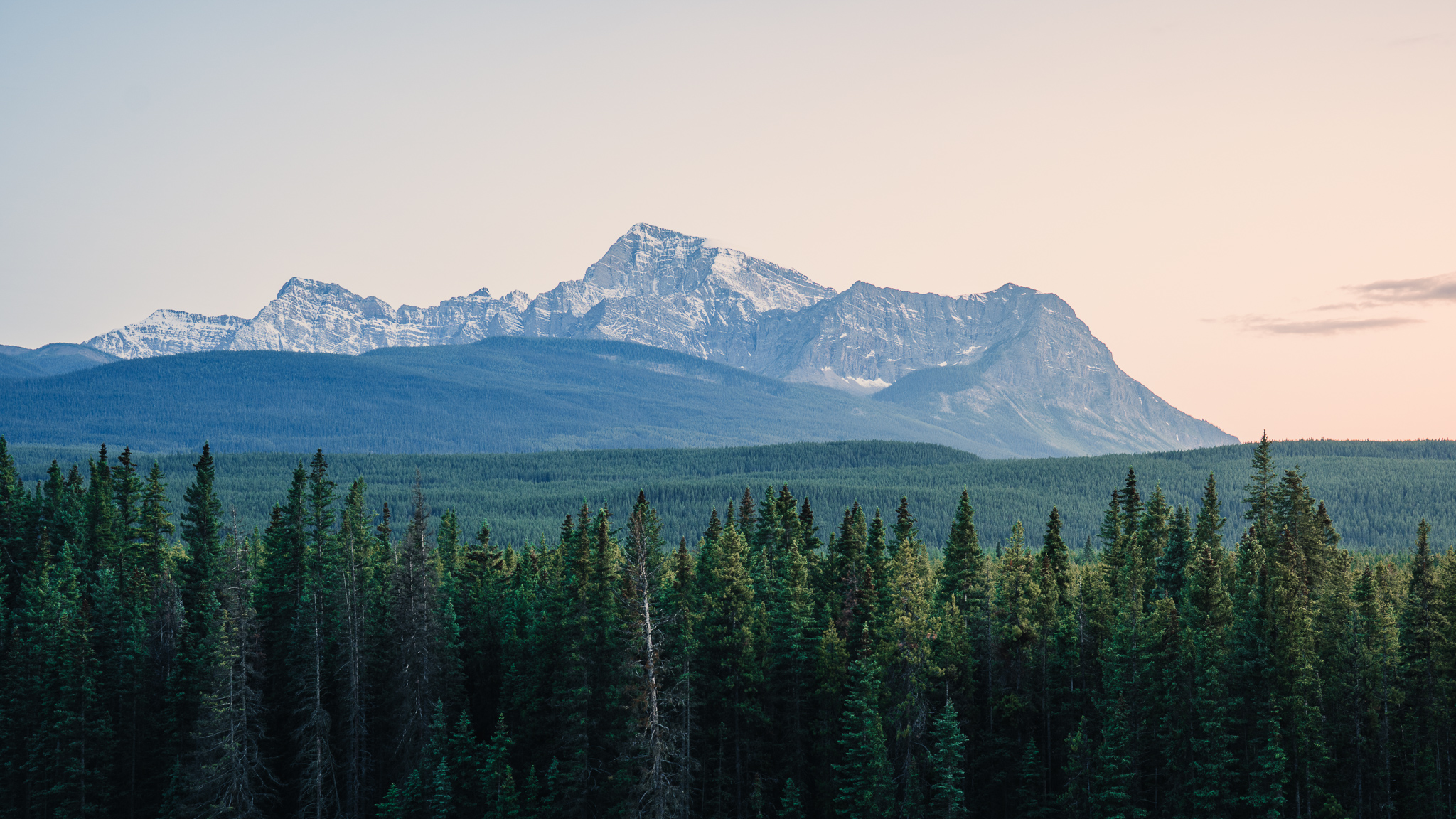
This part of our itinerary finally takes us into the Canadian Rockies, starting with Banff National Park.
Day 6: Arriving in Banff National Park
From our campground in Revelstoke, Banff was only around 2.5–3 hours away. We stopped at our campground first to confirm our online reservation and check everything we needed for our park visit. Make sure to verify current park pass requirements separately from your camping reservation.
📍 Highlight: Banff. We then explored the town of Banff, which we absolutely loved. Set right in the heart of the Canadian Rockies, it is a charming little town surrounded by enormous mountains. Walking around with that scenery in every direction was an incredible feeling.
In the afternoon, we went for an easy walk along Beaver Trail. It is an accessible trail and a good place to look for local wildlife, as the area is home to beavers, squirrels, hares, deer, elk, wolves and even bears.
After the walk, we returned to town and tried a classic Canadian sweet treat: a BeaverTail pastry.
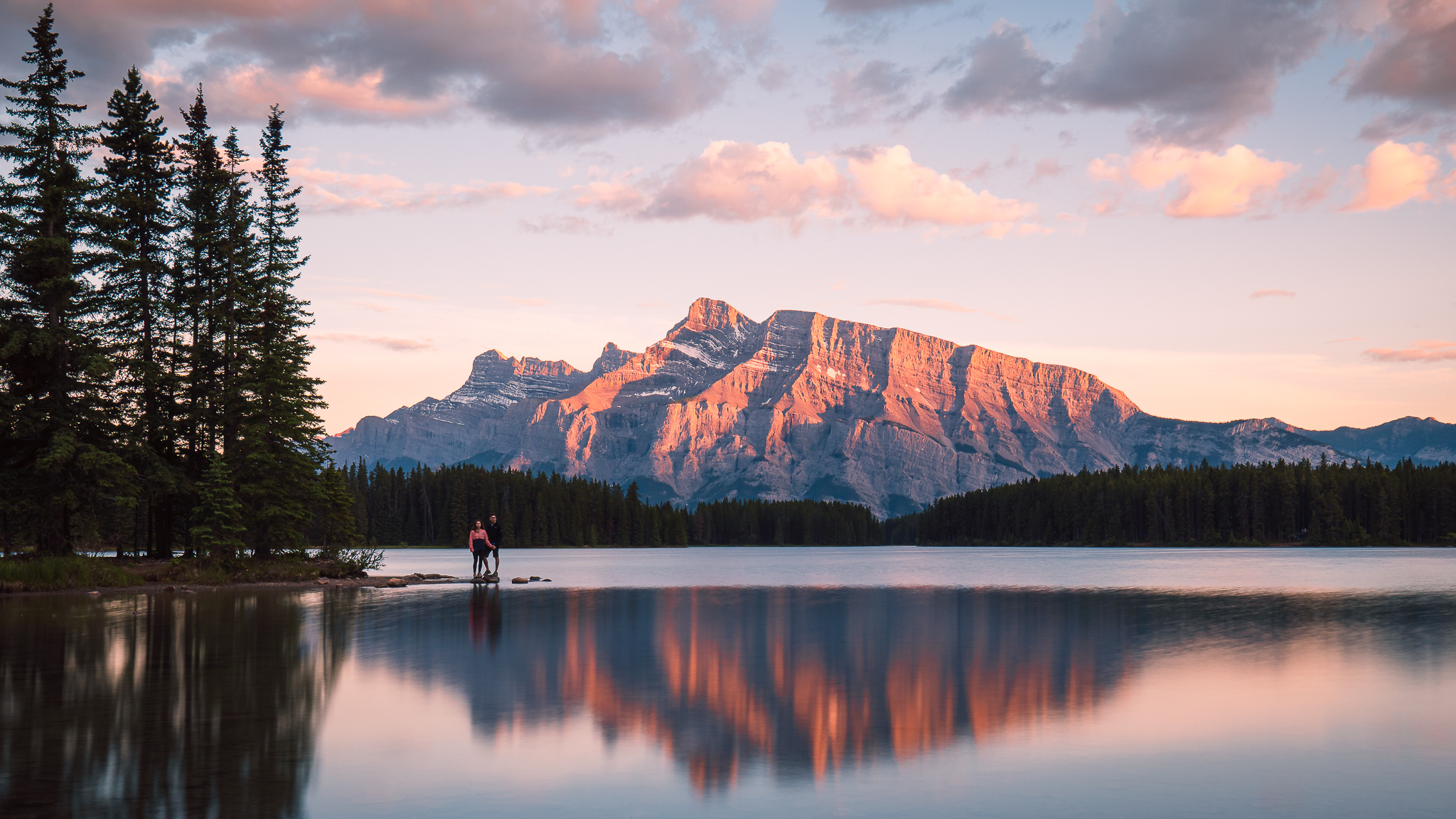
📸 Photography tip: Before sunset, we recommend visiting two lakes that are beautiful in the evening light: Lake Minnewanka and Two Jack Lake.
🌙 Where to stay: Tunnel Mountain II Campground in Banff National Park.
Day 7: Lake Louise and the Plain of Six Glaciers Trail
After a week of travelling, this is when the experience of a Western Canada campervan road trip really starts to sink in.
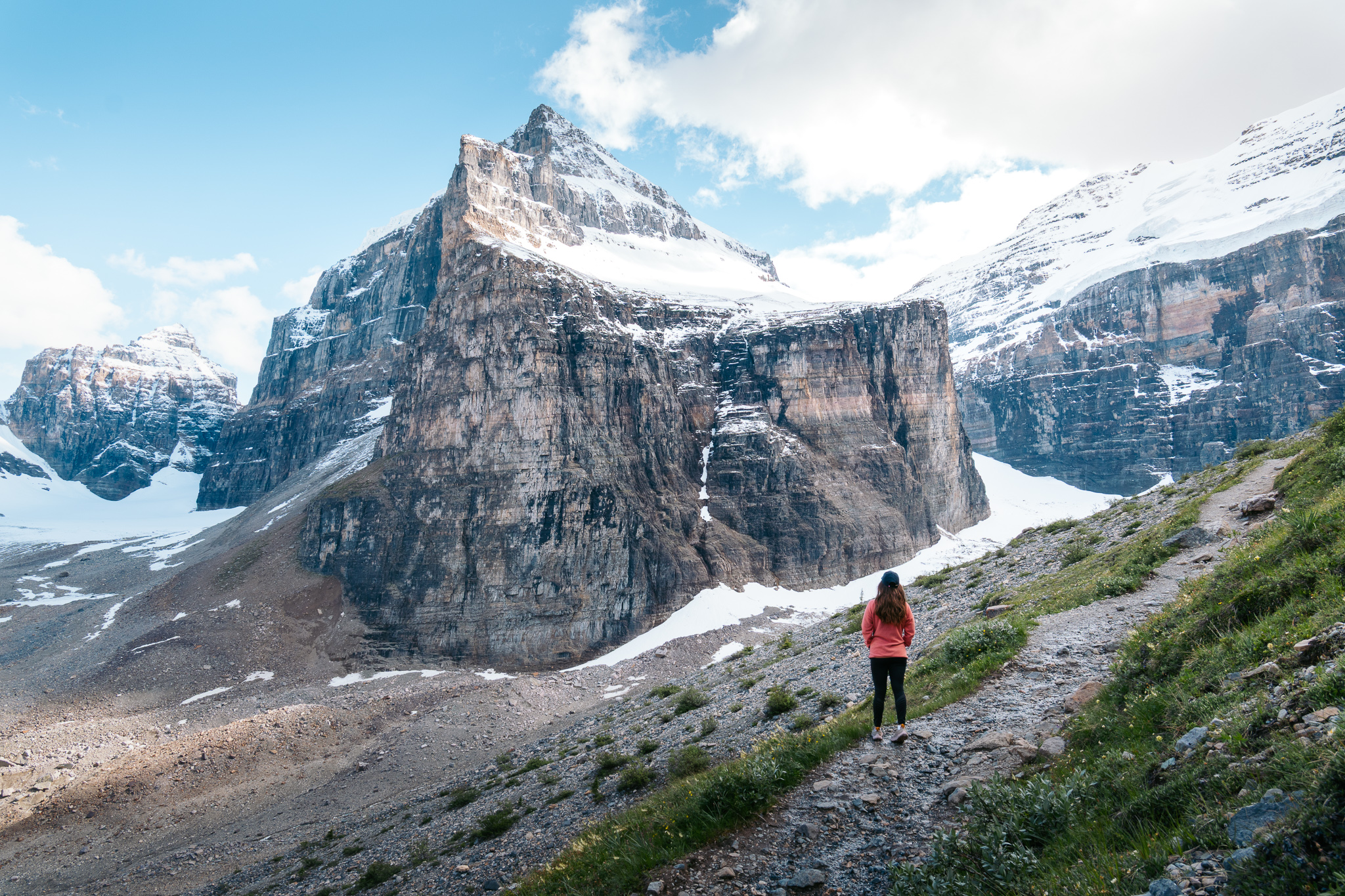
📍 Highlight: Lake Louise. Today is our first proper hike in the Rockies, starting at one of Banff National Park’s most iconic lakes: Lake Louise. We recommend checking the current parking arrangements at Lake Louise parking area and walking down to see its beautiful turquoise water. We will not pretend it is quiet, though: it can get extremely busy. Our advice is to enjoy the view and then head out onto your chosen trail to escape the crowds.
🚶♂️ Hiking trail: We chose the Plain of Six Glaciers Trail, which is less famous and generally quieter than some other Lake Louise hikes, while offering incredible views of the lake and surrounding glaciers. Other popular options include Little Beehive and Big Beehive. Judging by the photos we have seen, they look impressive too.
We have also written a dedicated guide to hiking from Lake Louise to the Plain of Six Glaciers to help you plan the trail.
🌙 Where to stay: Lake Louise Campground.
Day 8: Hiking to Helen Lake and Cirque Peak
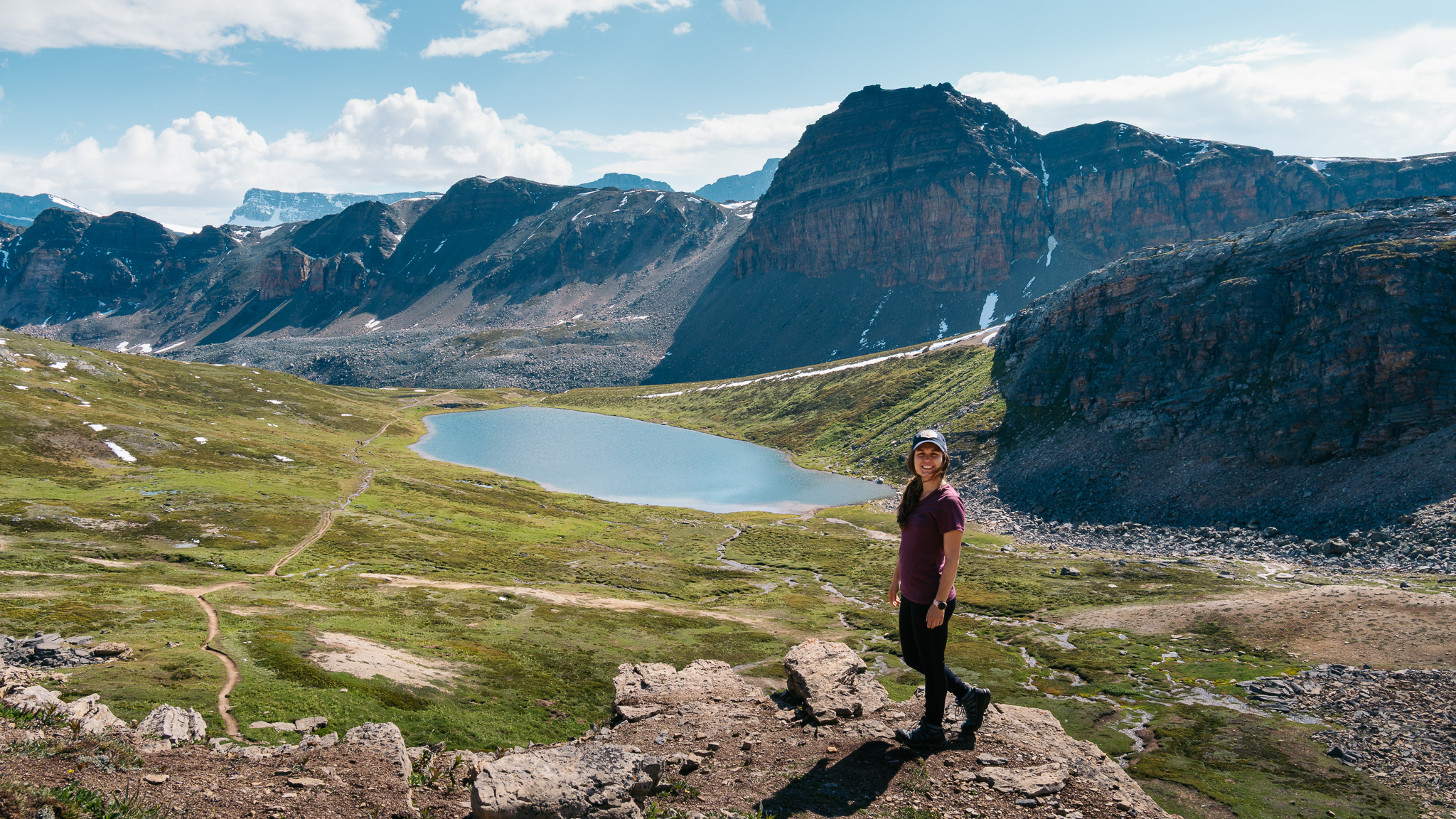
🚶♂️ Hiking trail: Today we suggest a less famous hike that we highly recommend adding to your Western Canada itinerary: Helen Lake and Cirque Peak.
We loved this hike because it was less crowded, the landscape changed considerably along the way, and the scenery felt different from our other hikes. It showed us another side of the Canadian Rockies.
If you want more ideas for hikes in Banff National Park, take a look at our guide to the best hikes in Banff.
📸 Photography tip: This part of Banff is home to plenty of wildlife, especially marmots, which can be very active around sunset. Bring your telephoto lens if you want to photograph them.
🌙 Where to stay: We tried a more basic campground with fewer facilities but a beautiful natural setting: Mosquito Creek Campground. Alternatively, if you have a reservation, you can return to Lake Louise Campground.
Day 9: Moraine Lake and Consolation Lakes
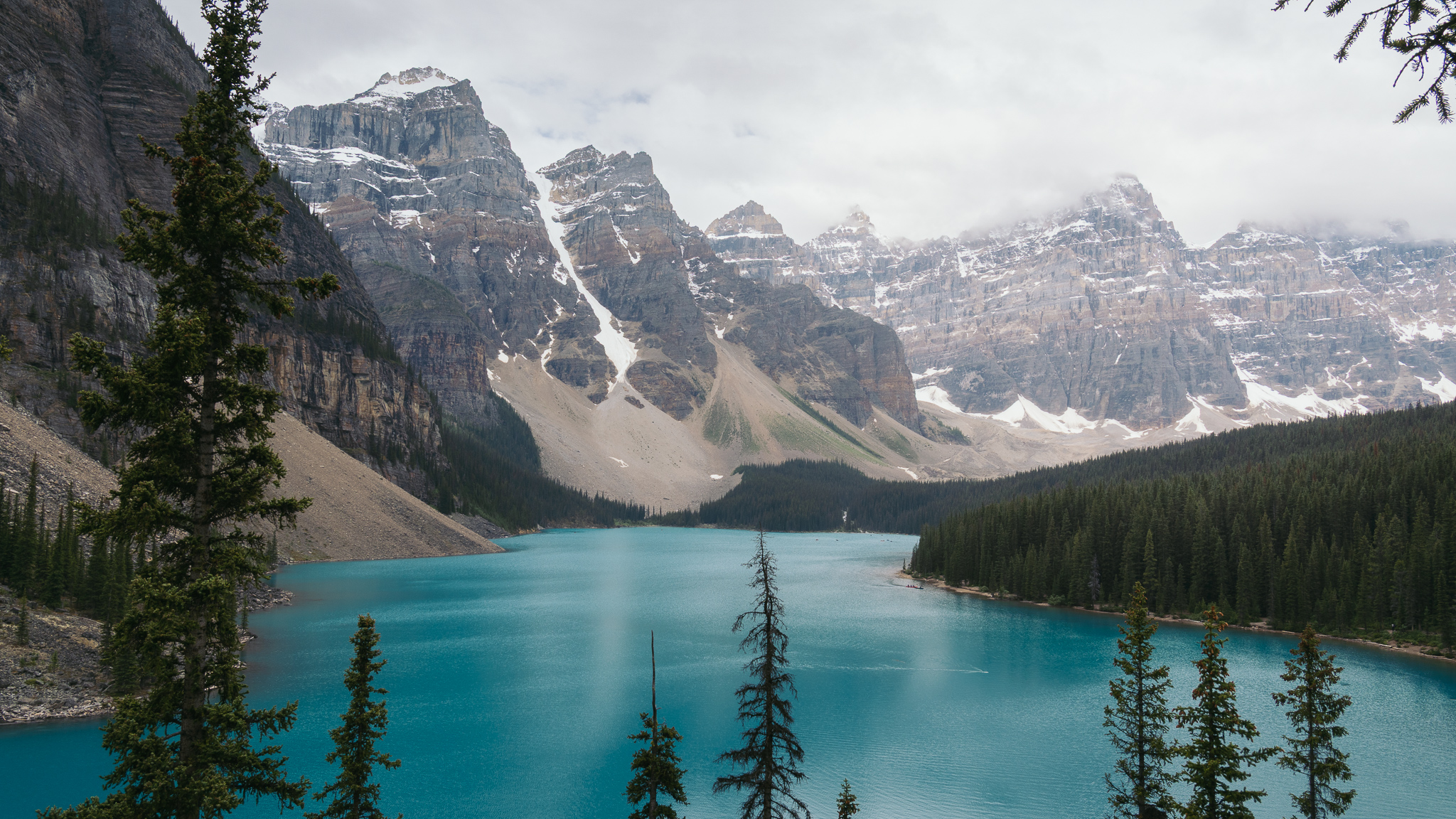
📍 Highlight: Moraine Lake. Moraine Lake is another essential stop in Banff National Park.
🚶♂️ Hiking trail: After enjoying the spectacular views, we recommend exploring one of the trails nearby:
- If you are visiting in autumn, Larch Valley Trail is a great option, especially when the larch trees turn golden.
- If the weather is not great, as happened to us, or you want something easier, the Consolation Lakes Trail is a lovely alternative with spectacular scenery.
📢 Tip: If you visit in early summer, bring your mosquito repellent lamp, as mosquitoes can be plentiful in this area.
🌙 Where to stay: You can return to Lake Louise Campground or choose Mosquito Creek Campground.
Day 10: Hiking in Sunshine Meadows
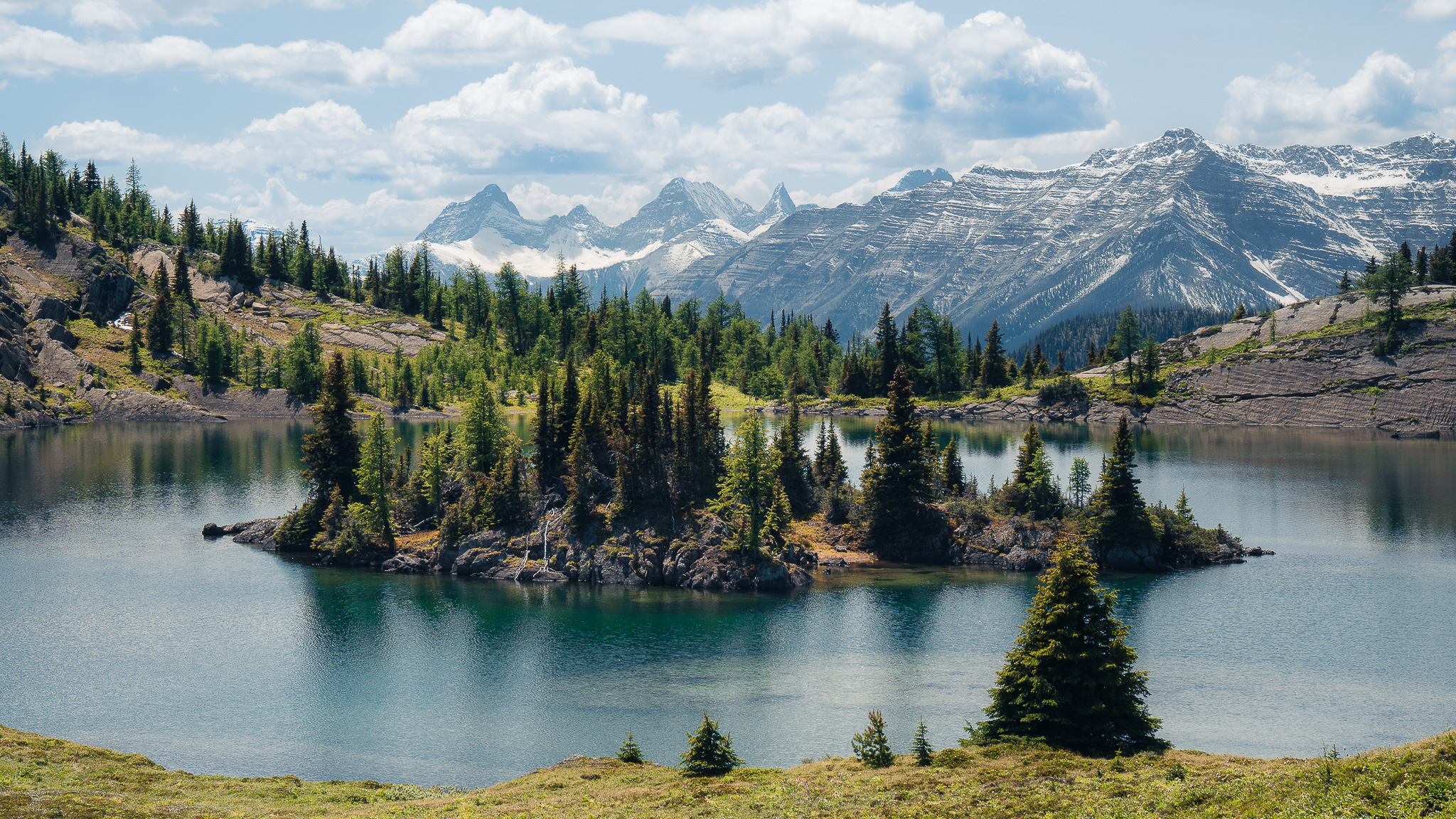
🚶♂️ Hiking trail: This hike felt completely different from the others we did. It is relatively easy, making it a good option to fit between more demanding hiking days, even if you decide to move it to another day.
We hiked the Lakes Loop, visiting Rock Isle Lake, Grizzly Lake and Larix Lake. If you would rather do a shorter walk, the popular Rock Isle Lake Trail is another option.
🌙 Where to stay: To get closer to the next destination, we recommend Monarch Campground in Yoho National Park. If you prefer more facilities, we have read that Kicking Horse Campground is another good option.
Day 11: Exploring Yoho National Park
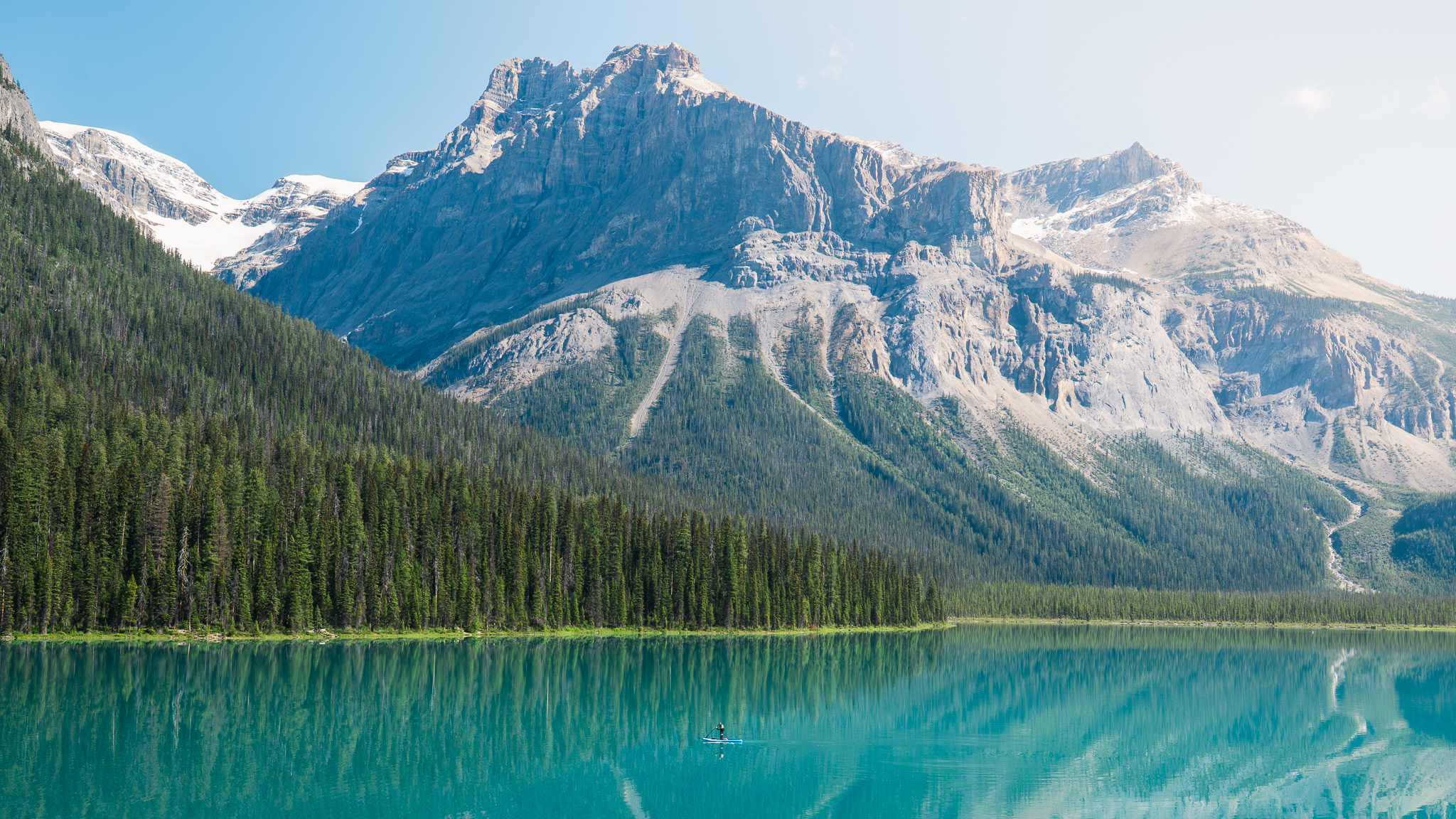
On our way back, we recommend stopping in Yoho National Park. If you have extra time, you could explore it in more depth, as there is plenty to see.
🚶♂️ Hiking trail: We visited Emerald Lake and hiked from there towards Yoho Lake.
Other hikes we would have liked to do if we had had more time include:
- Iceline Trail: A challenging 20 km (12.4 miles) hike, taking around 6–8 hours. It is one of the park’s most popular routes, with glaciers, waterfalls such as Takakkaw Falls and alpine valleys.
- Lake O’Hara Alpine Circuit: A demanding 11 km (6.8 miles) hike, taking 5–6 hours. Access is restricted, so check the park shuttle arrangements if you want to avoid walking an additional 11 km (6.8 miles) along the access road.
🌙 Where to stay: Blanket Creek Campground in Blanket Creek Provincial Park, back in British Columbia. There is also a short walk to a waterfall nearby.
Days 12–13: Driving back towards the coast
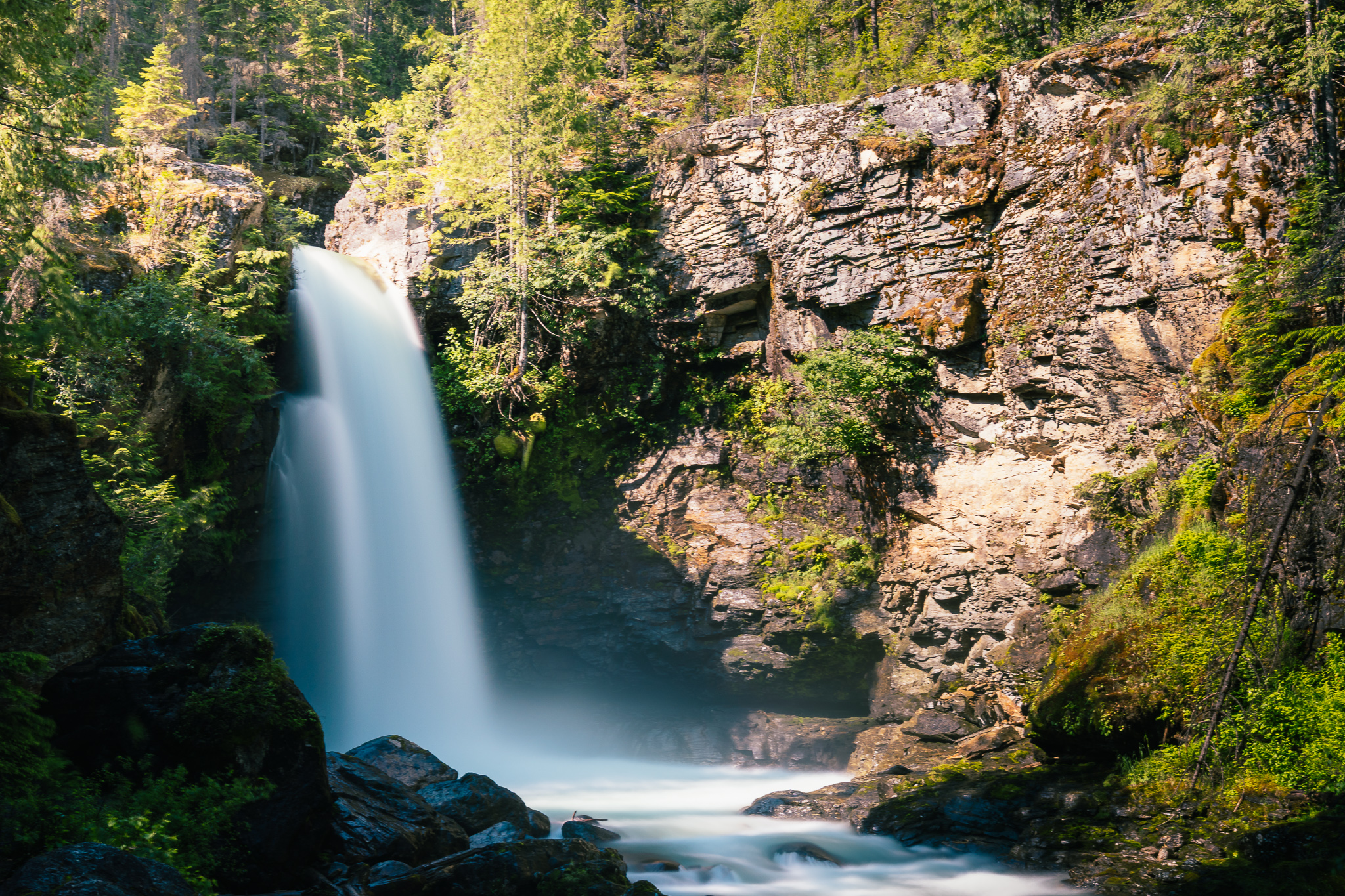
We began making our way back towards Vancouver, but before reaching our next major destination, we recommend a few worthwhile stops along the way.
Day 12: Revelstoke, Kamloops and stops along the way
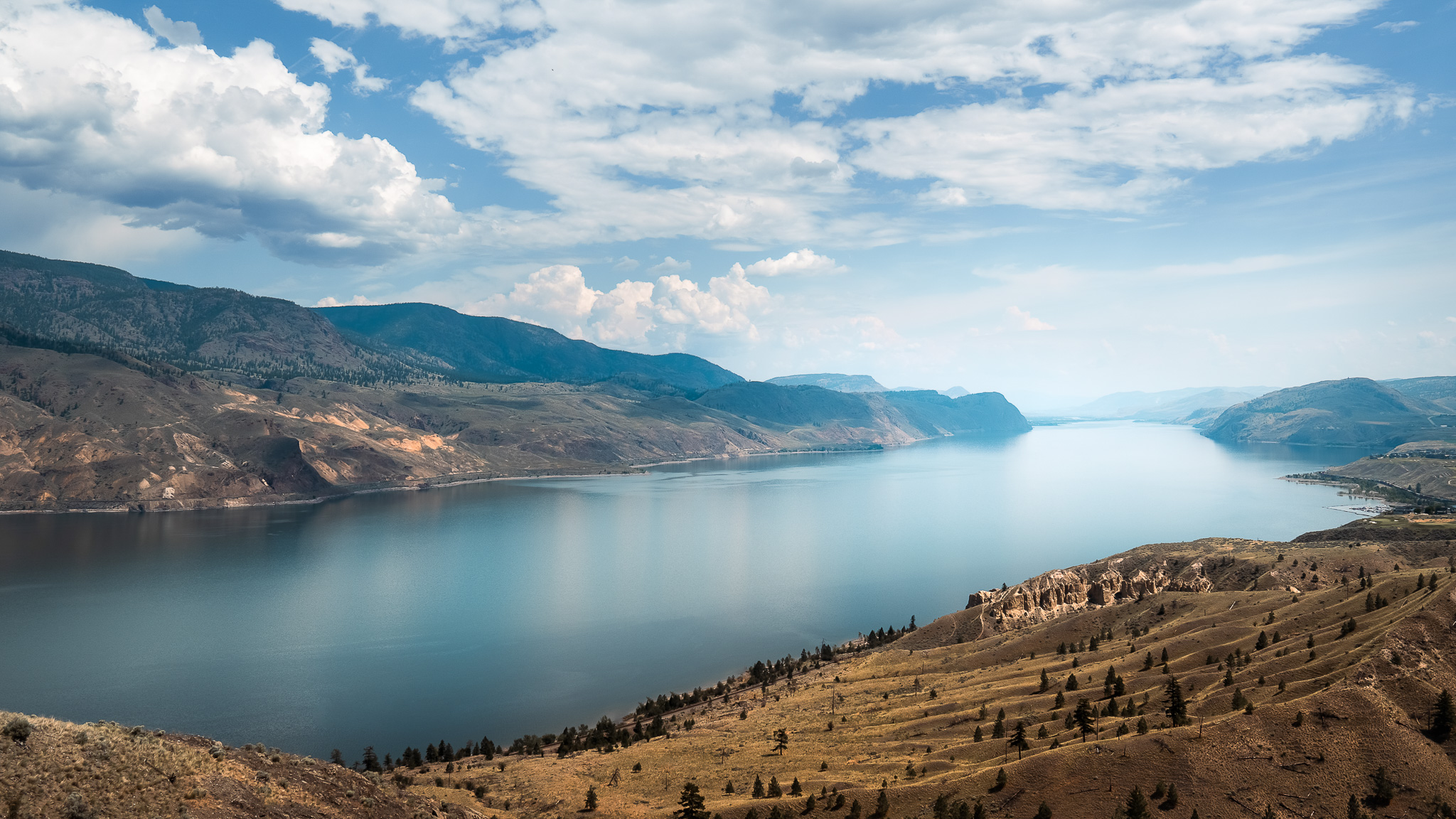
Today is mainly a driving day. If you are following our Western Canada campervan itinerary, it is a long stretch, but there are some interesting places to stop and break up the journey.
📍 Highlight: Revelstoke. This is a small town with plenty of charm, almost like a film set. It is a lovely place for a stroll and a coffee before continuing your journey.
📍 Highlight: Kamloops Lake. About three hours from Revelstoke, this is a good place to stretch your legs and enjoy the lake views before heading on towards Whistler.
🌙 Where to stay: Nairn Falls Campground, the same campground we stayed at on day four.
Day 13: Back to Whistler for mountain biking
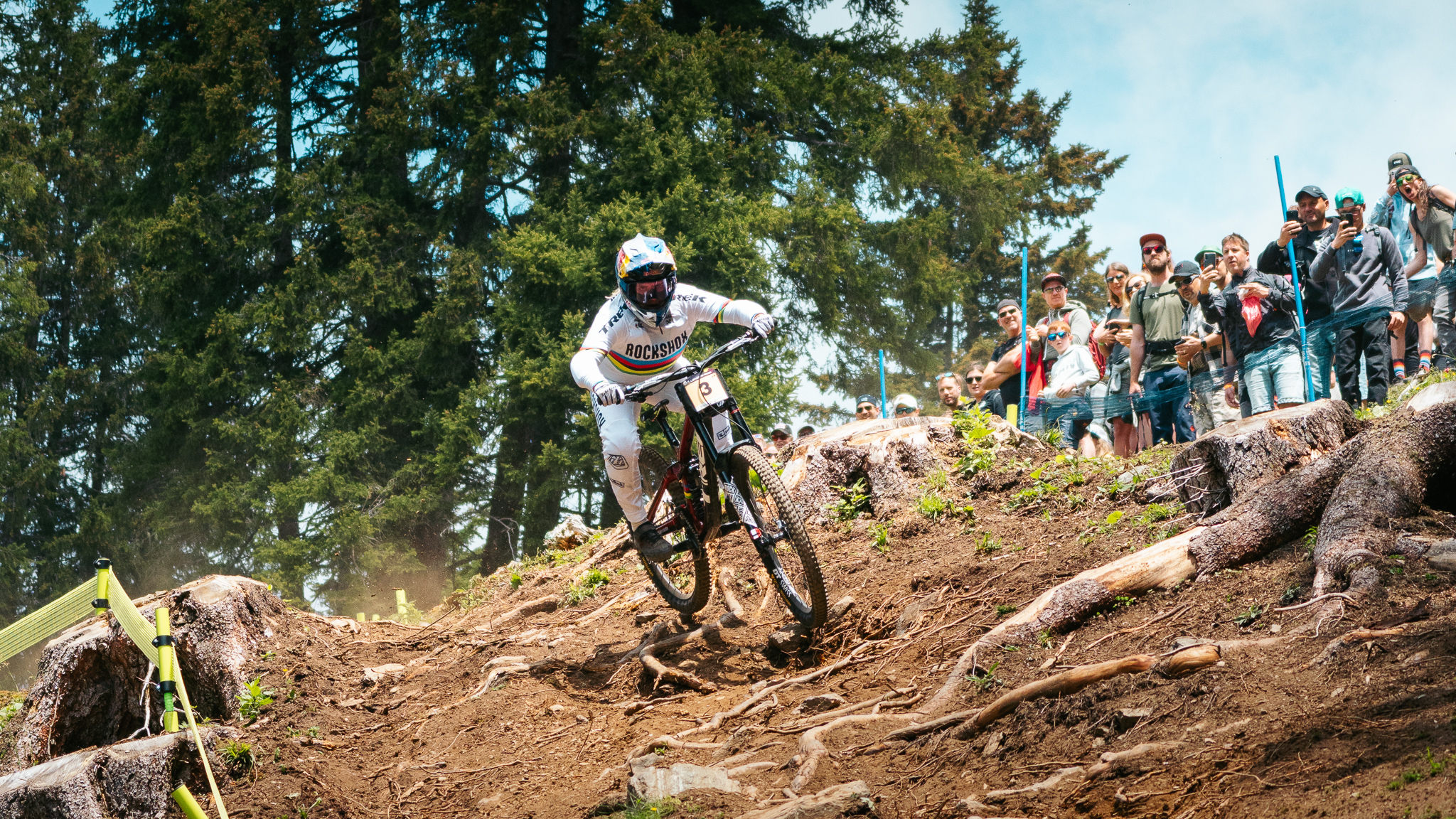
There are several ways to spend this day. We decided to return to Whistler, where we watched a mountain biking competition and rented a couple of bikes to explore the local trails ourselves. It is easy to see why Whistler is so famous for mountain biking. For more details about our experience, read our travel diary.
🚶♂️ Hiking alternative: If you would rather hike than mountain bike, you could visit Garibaldi Provincial Park and follow the trail to Garibaldi Lake, one of the area’s best-known hikes. We have not done it yet, but we have heard great things about it.
🌙 Where to stay: Nairn Falls, at the same campground as on the way out.
Days 14–20: Vancouver Island
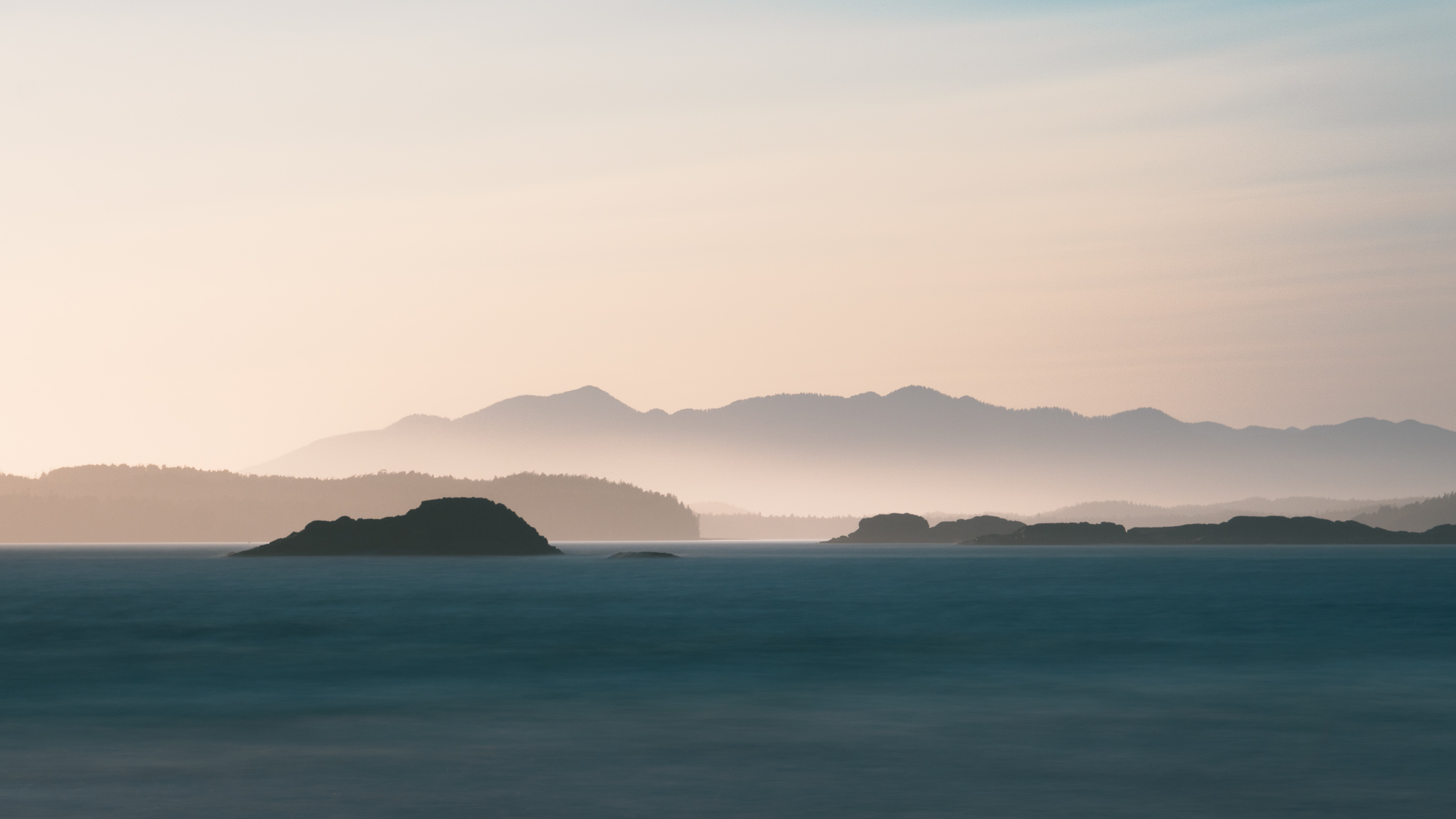
Two weeks into our Western Canada campervan trip, it was time for one of our biggest adventures: Vancouver Island. It is completely different from everything we had seen so far and was one of the highlights of the trip.
Day 14: Ferry to Vancouver Island and exploring Ucluelet
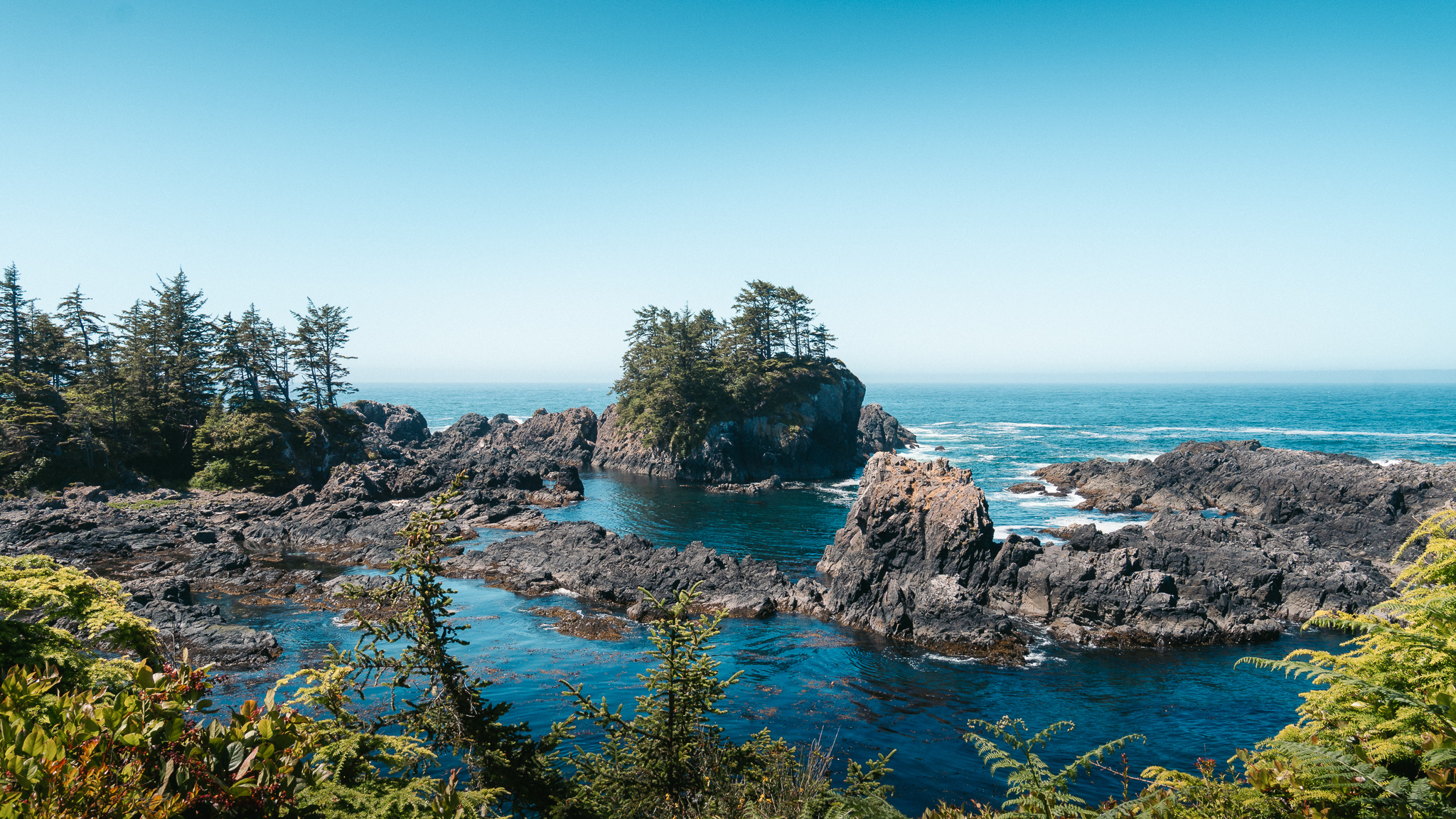
We took the ferry from Horseshoe Bay in Vancouver to Nanaimo. Rather than staying in Nanaimo, we drove straight to Ucluelet.
📢 Tip: Distances on Vancouver Island can take longer to cover than navigation apps suggest, and traffic can be much worse than expected. It took us twice as long as planned to reach Ucluelet, so allow extra time when planning your day.
📍 Highlight: Ucluelet. Ucluelet is a coastal community with a rich First Nations heritage, making it an interesting place to learn about the island’s history. The scenery is also completely different from what we had experienced on the rest of our Canadian road trip.
🚶♂️ Hiking trail: We suggest one of the area’s best-known routes, the Wild Pacific Trail. This 8.8 km (5.5 miles) trail offers spectacular scenery, including beaches, cliffs and temperate rainforest. With a bit of luck, you might even spot bald eagles.
🌙 Where to stay: We stayed at Secret Beach Campground. We recommend reading about our experience in the travel diary. If you would prefer a quieter, more comfortable stay, Ucluelet Campground in the town centre might be a better choice. Remember to book in advance.
Day 15: Surfing in Tofino and Long Beach
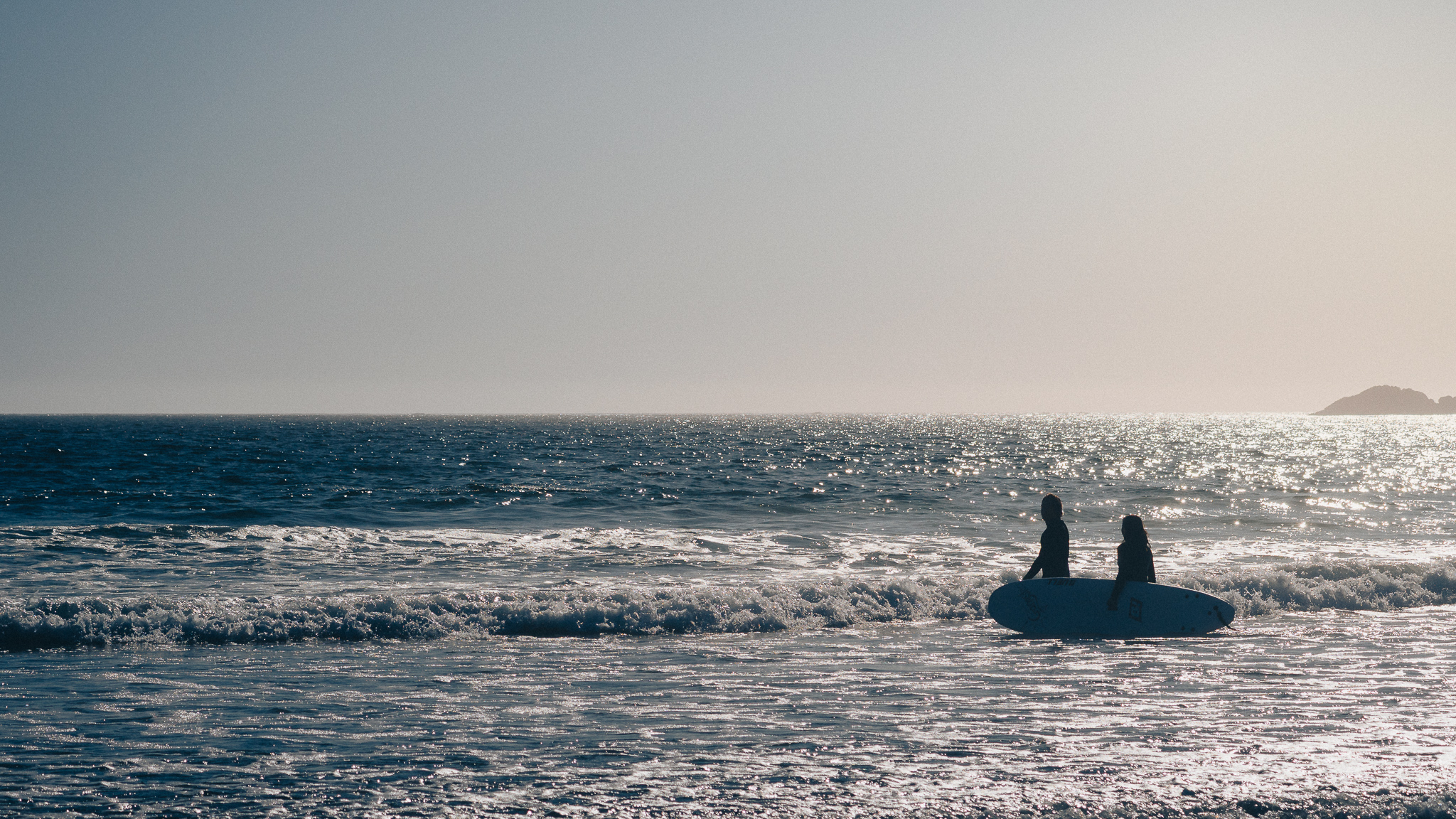
Tofino was our next destination. This charming coastal town is known as Canada’s surfing capital. You will find a laid-back surf atmosphere, wild scenery and beautiful beaches. We are pretty sure you will want to stay longer.
📍 Highlight: Long Beach. This is a fantastic beach for surfing and enjoying the coastal landscape. If you want to try surfing in Canada, it is a great place to do it.
🌙 Where to stay: We stayed at Secret Beach again. Alternatively, we recommend Green Point Campground in Pacific Rim National Park Reserve. Book ahead, as campsites fill up quickly in summer.
Day 16: Exploring Pacific Rim National Park Reserve
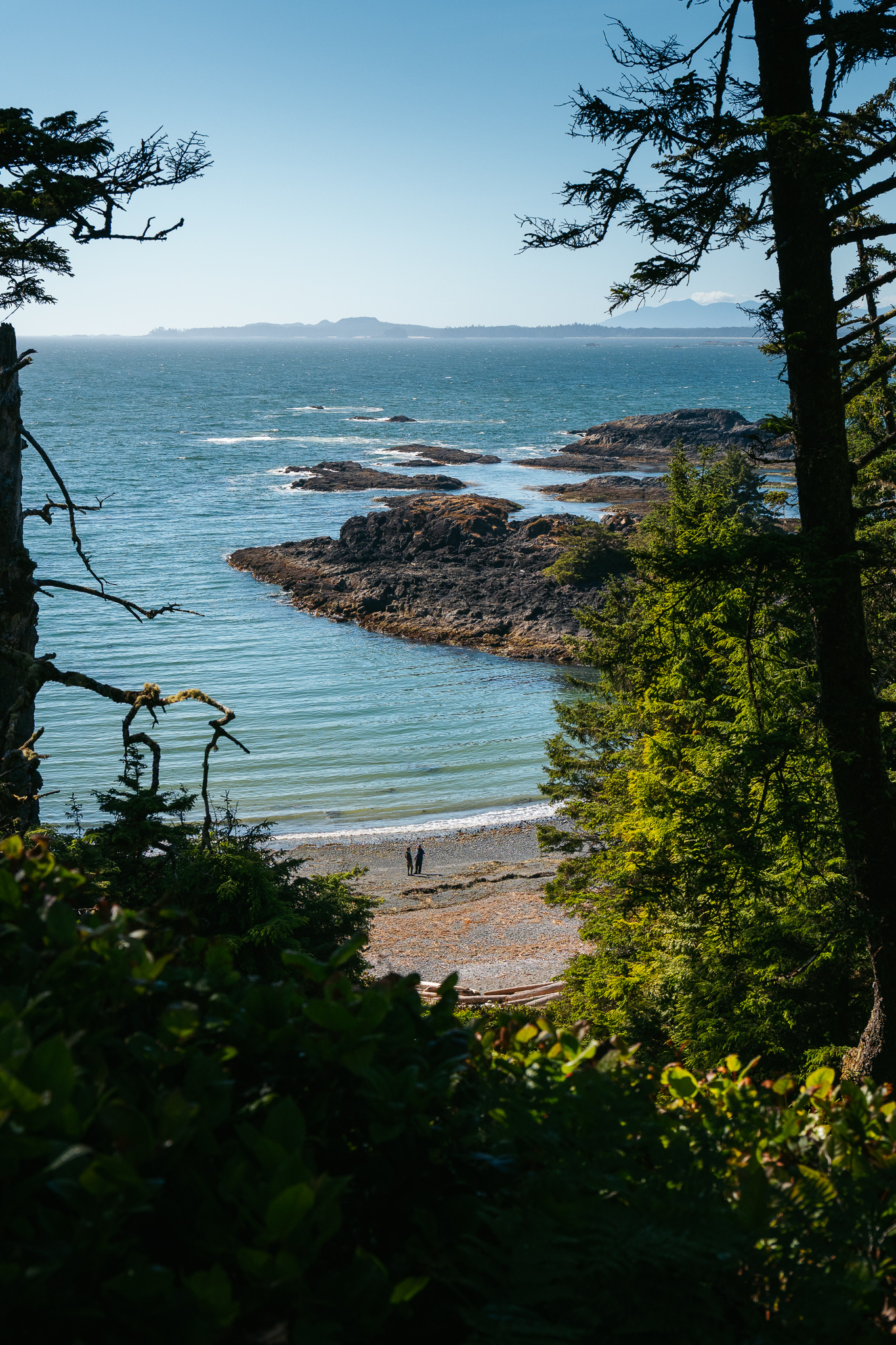
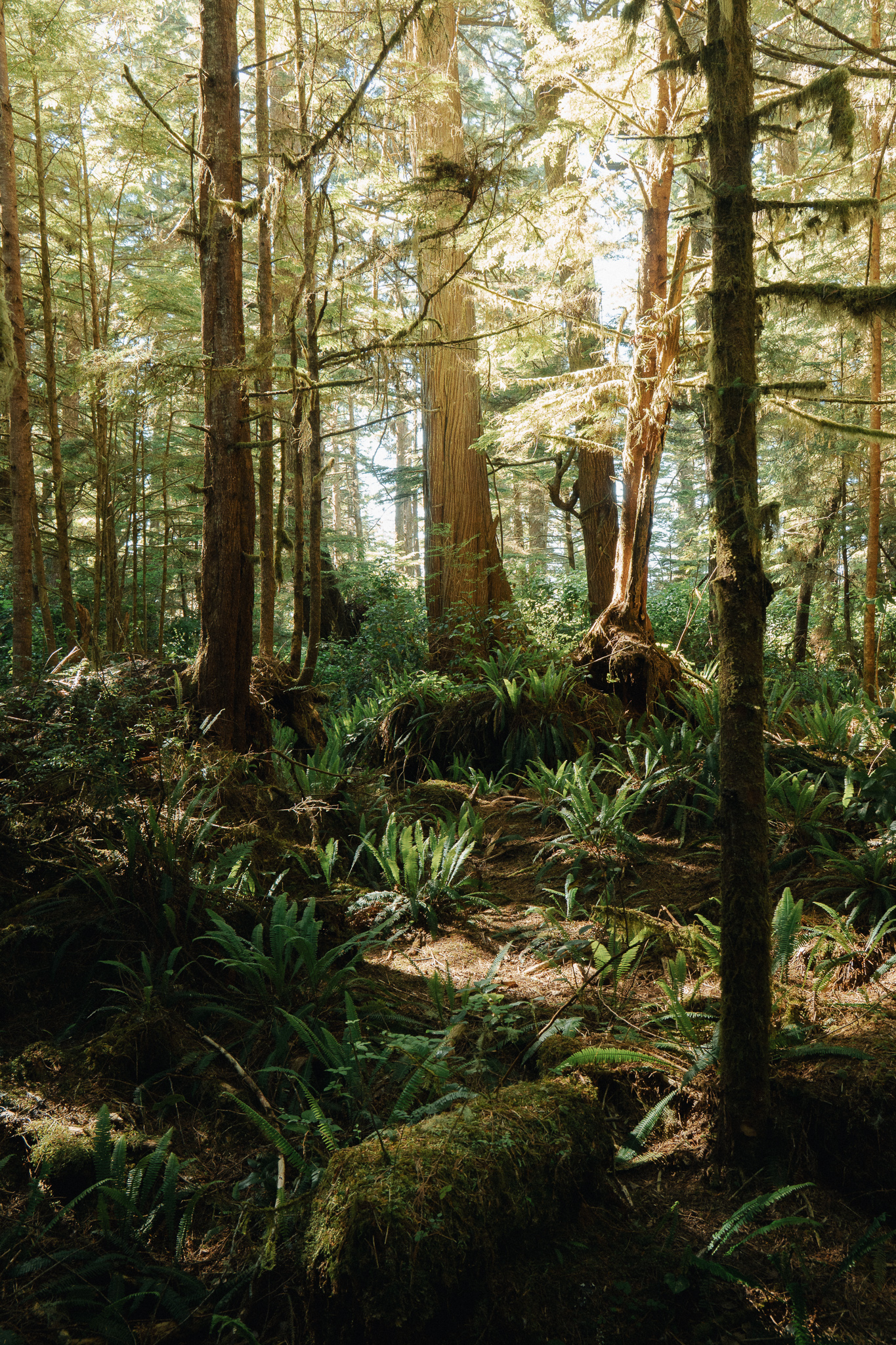
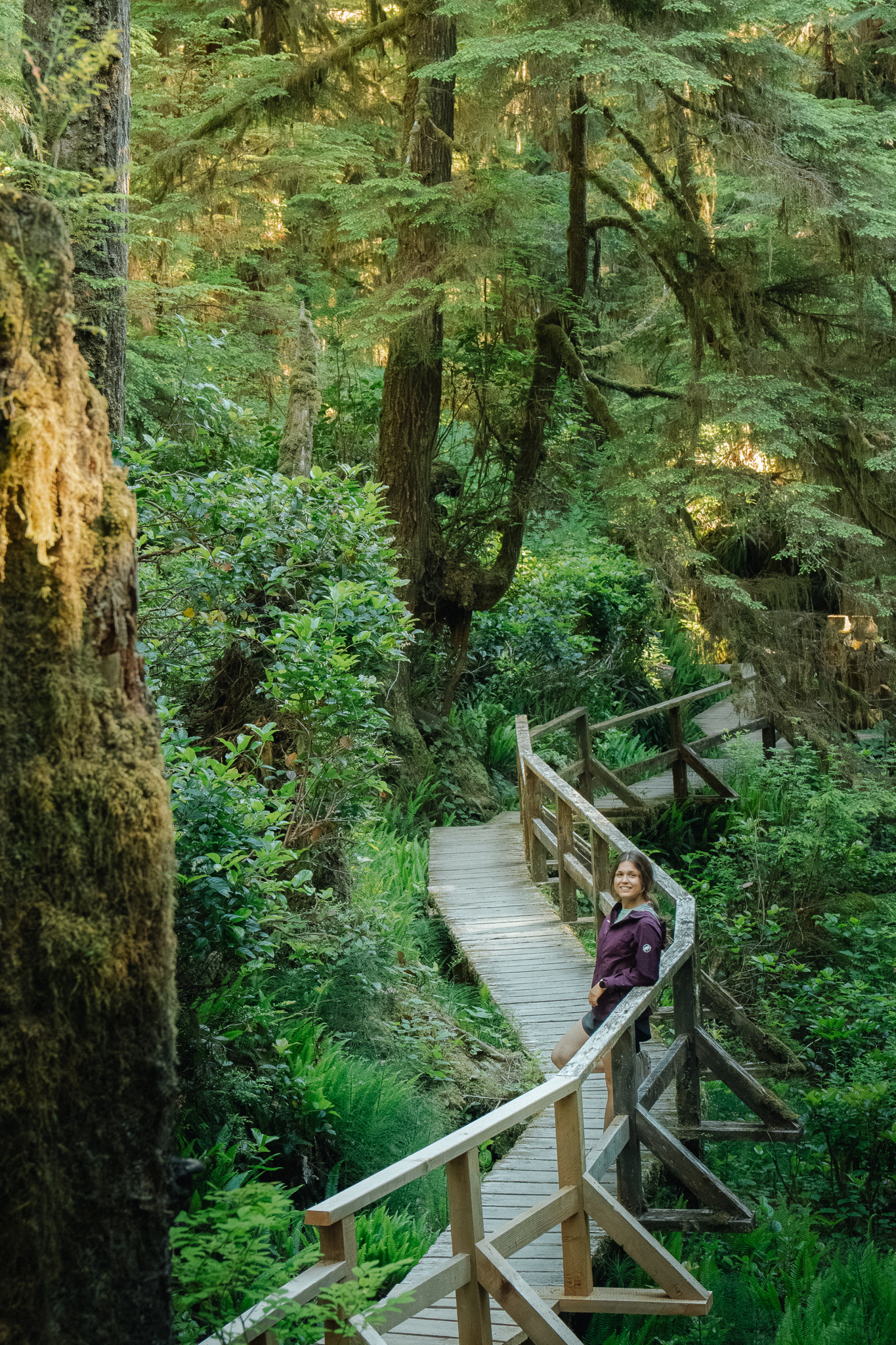
Today we explore Pacific Rim National Park Reserve, an incredible protected area divided into three sections: Long Beach, the Broken Group Islands and the West Coast Trail.
🚶♂️ Hiking trail: In the Long Beach area, we recommend the Rainforest Trail, which consists of two short loops through a beautiful, dense temperate rainforest.
If you have more time and want to keep exploring, consider the Broken Group Islands, an archipelago of wild islands accessible by kayak from Secret Beach or Bamfield. You can rent a kayak and explore independently or join a guided trip. There are also boat tours in the region, some offering opportunities to spot whales, seals and bears along the coast.
🌙 Where to stay: Green Point Campground or Secret Beach Campground.
Day 17: Victoria, the capital of British Columbia
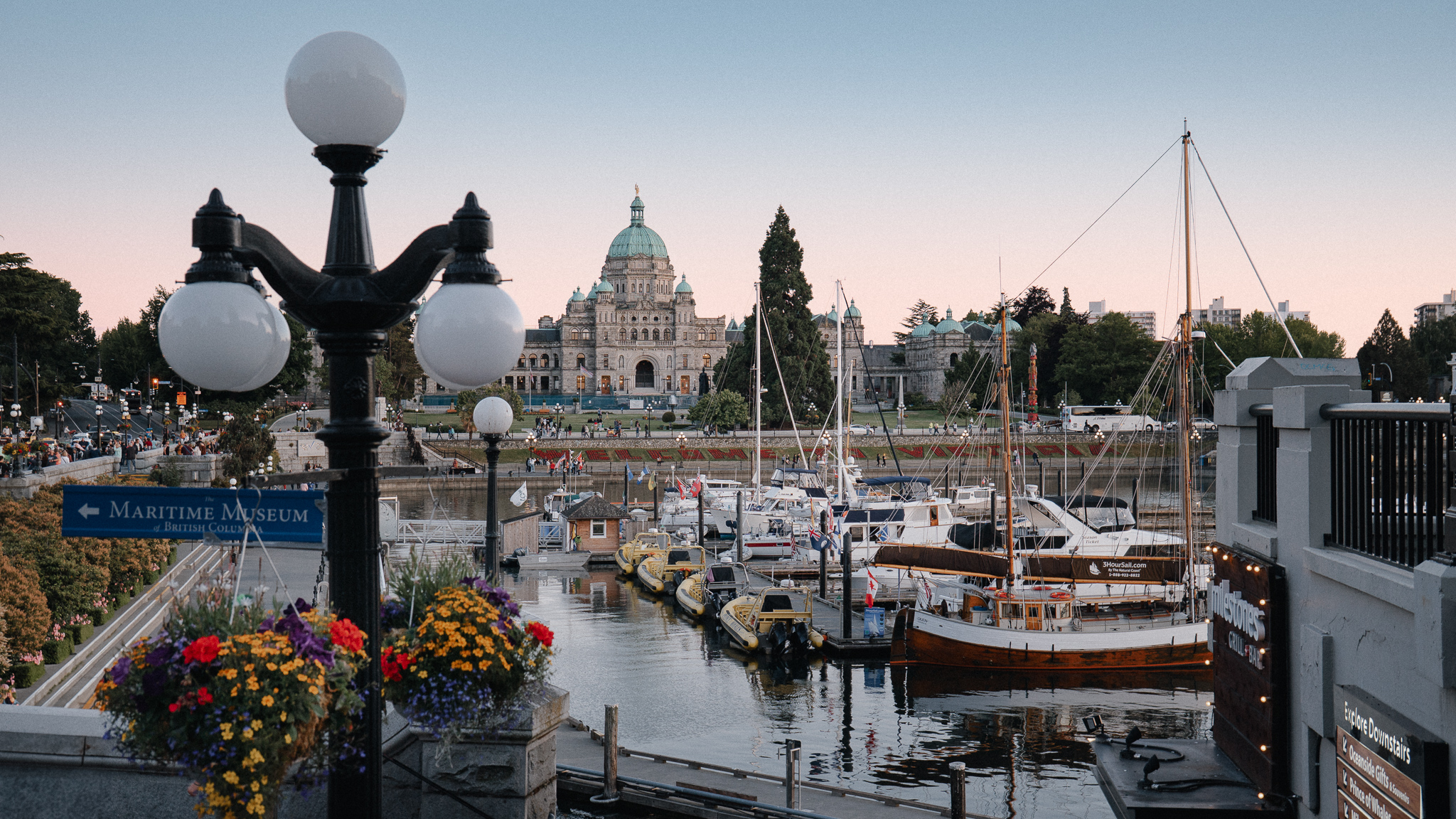
Our Western Canada road trip was coming to an end, but we could not leave Vancouver Island without visiting Victoria, the capital of British Columbia.
We recommend spending at least one full day here to walk around and get a good feel for the city.
What to see in Victoria: Downtown, known for its historic architecture; Chinatown, the oldest in Canada; Fisherman’s Wharf; Victoria’s Inner Harbour; and Victoria Public Market.
There are plenty of places to eat. We went to a Japanese fusion restaurant that we really enjoyed.
🌙 Where to stay: We chose Salish Seaside RV Haven, which had better facilities for showering and getting ready for the end of our trip. Fort Victoria RV Park is a more affordable alternative.
Day 18: Butchart Gardens and Oak Bay
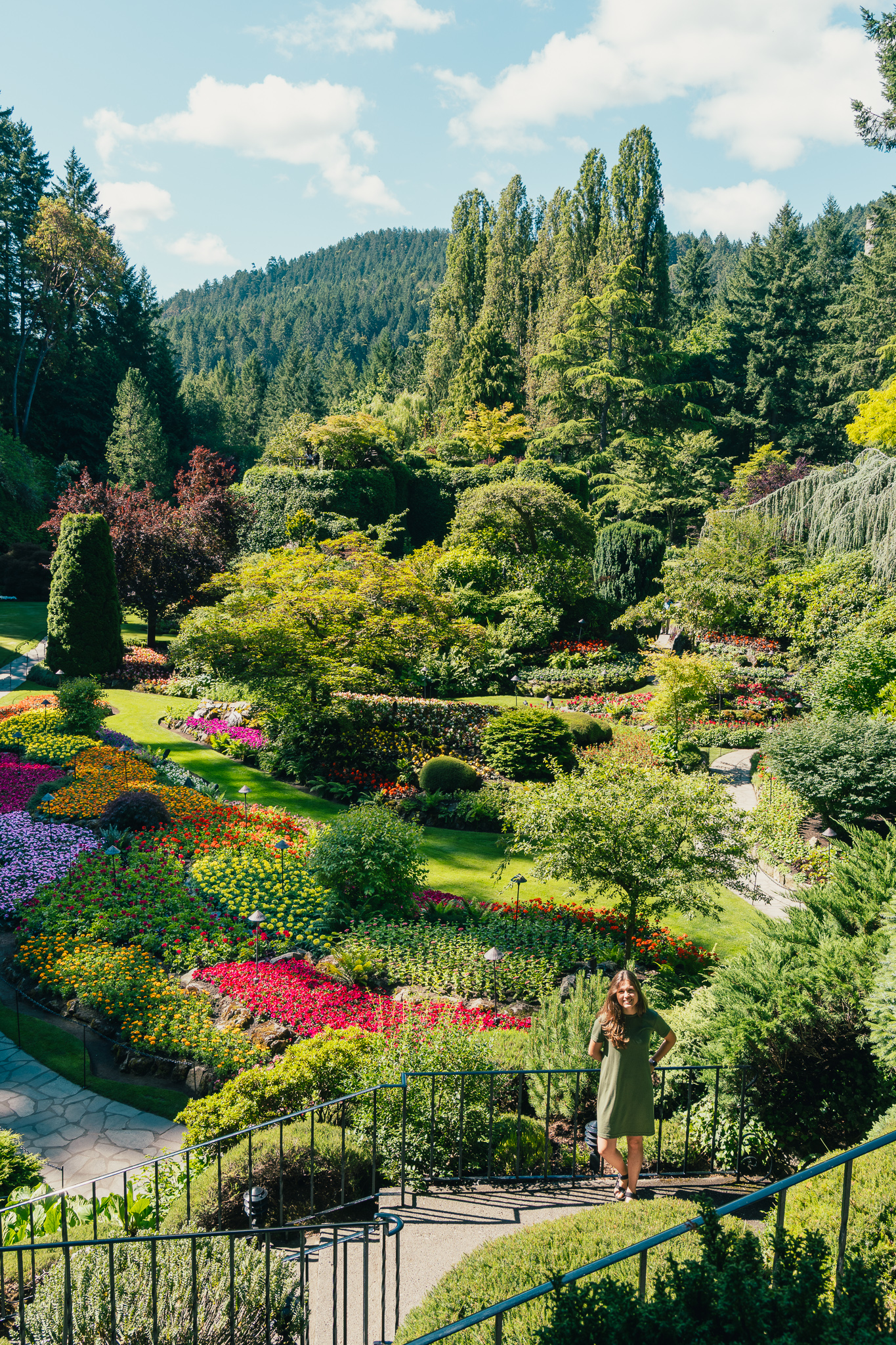
📍 Highlight: Butchart Gardens. Just outside the city is one of Victoria’s biggest attractions: Butchart Gardens. We recommend adding it to your itinerary, especially if you love flowers and gardens.
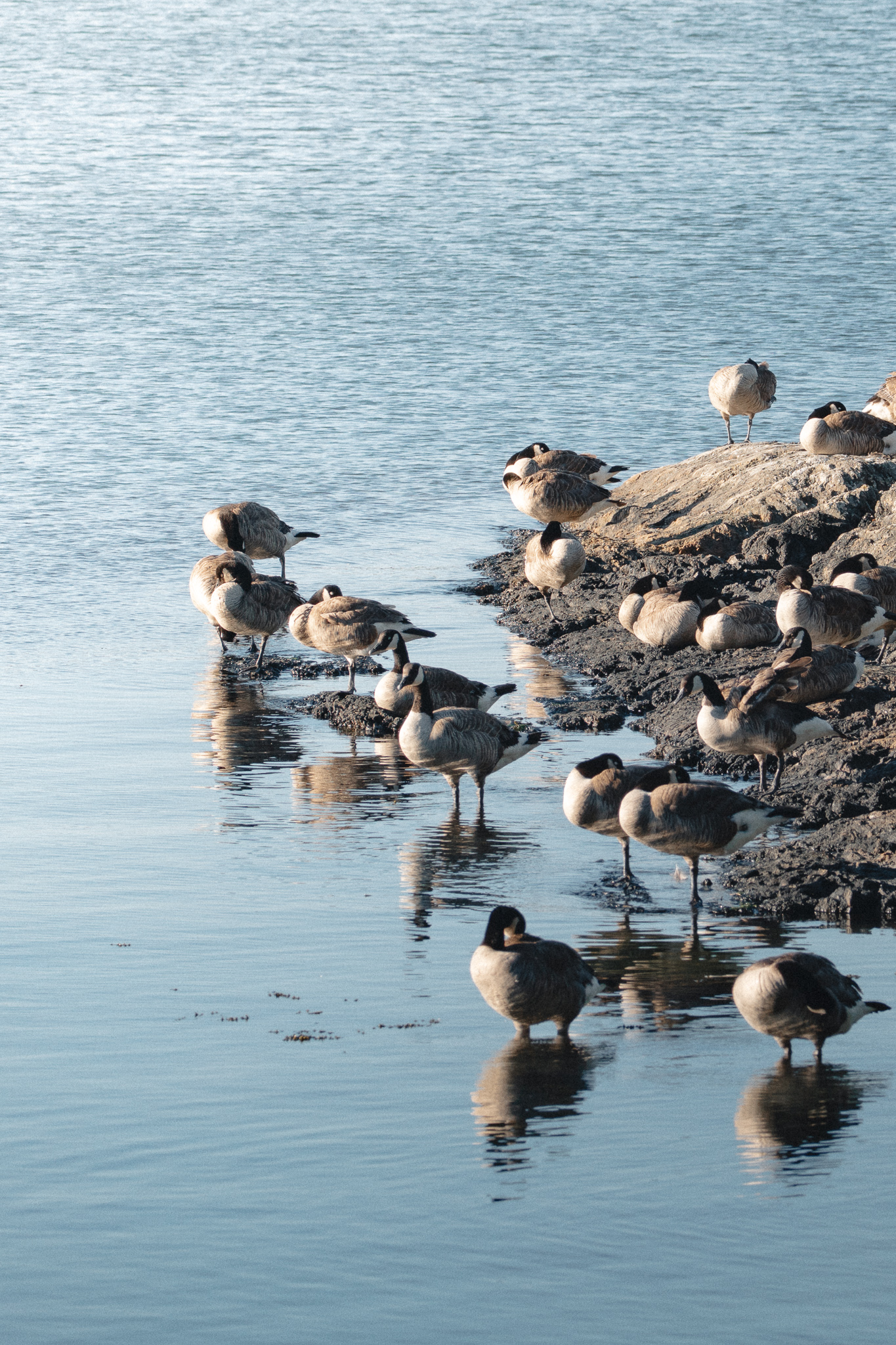
If you have time and feel like exploring a residential neighbourhood away from the main tourist sights, head to Oak Bay. We really enjoyed it and were lucky enough to spot seals, Canada geese and sea lions along the coast. We even saw a deer sitting in someone’s front garden. Not a bad place to look for wildlife! 😉
🌙 Where to stay: Salish Seaside RV Haven or Fort Victoria RV Park.
Day 19: Ferry back to Vancouver
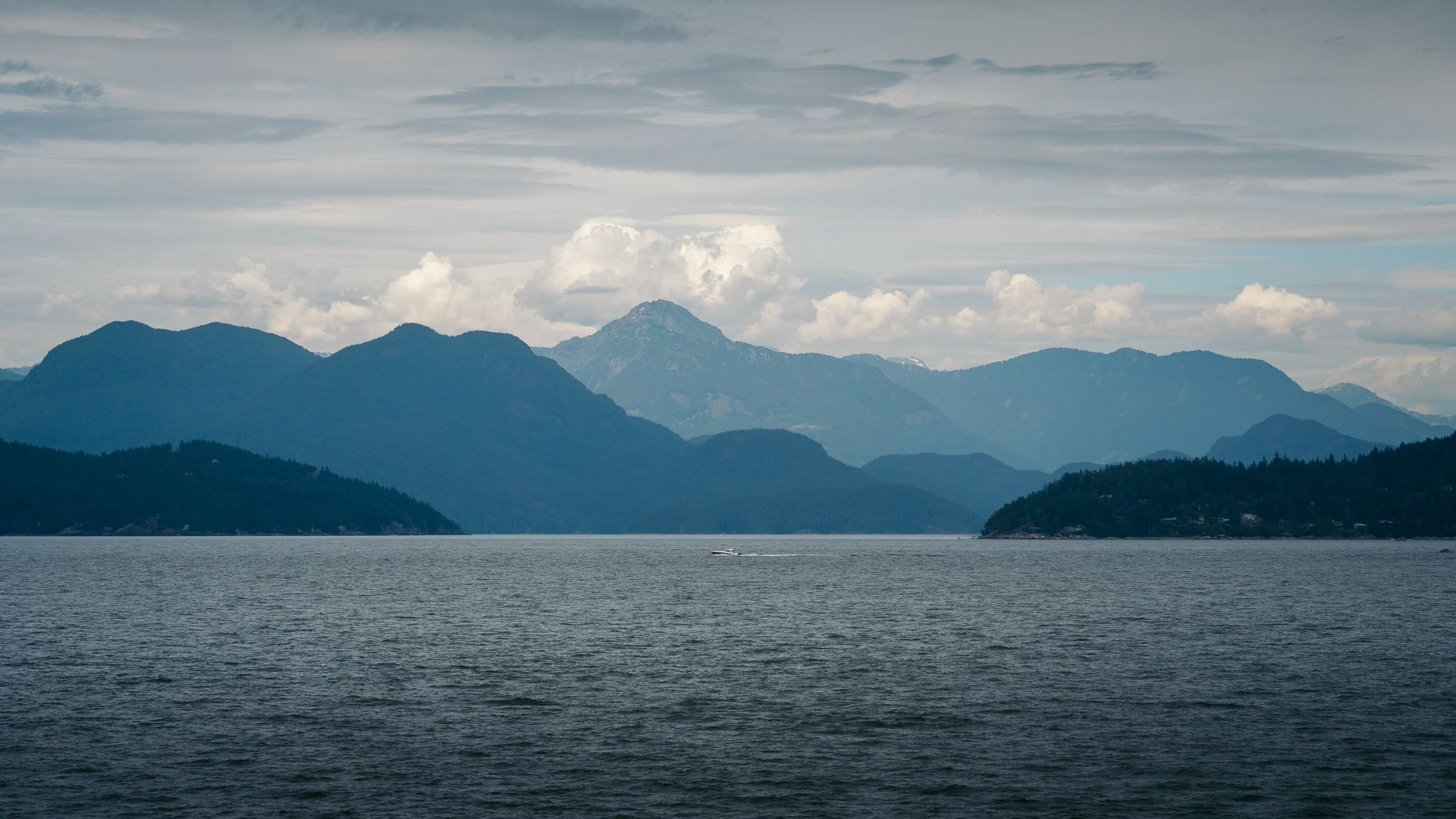
We spent the day returning to Vancouver by ferry from Victoria, departing from Swartz Bay terminal. Once back in Vancouver, we returned the campervan that had accompanied us on this wonderful journey and headed straight to our accommodation to get everything ready for the next day’s flight.
Day 20: Heading home
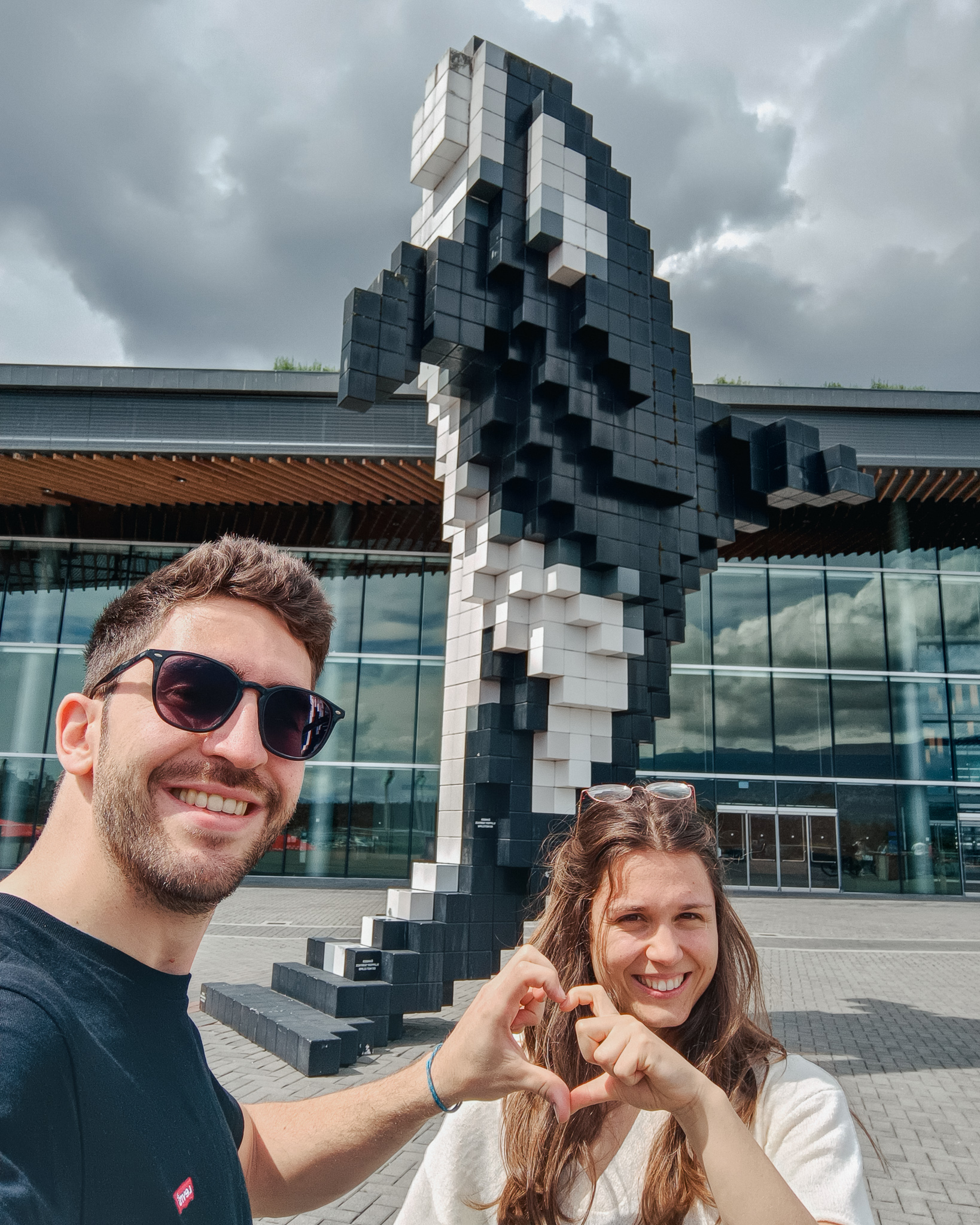
And that brings our 20-day Western Canada campervan itinerary to an end. We hope you enjoyed following along and, above all, that it helps you plan your own adventure.
Want to discover more of Canada? We are constantly adding new guides to help you plan your travels. Have a look at our Canada destination page.
See you on the road!

