
Olympic National Park Guide: What to See and How to Plan Your Visit
Today we’re bringing you a guide to visiting Olympic National Park, located on the Olympic Peninsula in Washington, United States.
One of the things that surprised us most about this National Park was the variety of landscapes you can see. In a single day, you can walk among giant trees completely covered in moss, explore wild beaches along the Pacific, look for sea stars at low tide and, a few hours later, find yourselves surrounded by mountains that can still hold snow well into summer.
A little context: Olympic National Park was established as a national park in 1938 and today protects more than 3,700 km² (about 1,430 sq mi) of the Olympic Peninsula in Washington State. Around 95% of its area is also designated as wilderness, meaning protected natural land that remains largely undeveloped. This means there are no roads crossing the park, so you’ll regularly need to use Highway 101, which loops around it.
We came here during our road trip along the West Coast of the United States. We traveled in June and, although we were technically already heading into summer, we still found snow and some mountain areas that we couldn’t access. June in Washington definitely doesn’t mean summer everywhere.
In this guide, we’ll tell you what to see in Olympic National Park, which areas we liked most, some hikes you can do and, above all, how to plan your visit.
- Before you start: Olympic is huge
- The three sides of Olympic National Park
- Forests in Olympic National Park
- The coast of Olympic National Park
- The mountains of Olympic National Park
- What animals can you see in Olympic National Park?
- When to visit Olympic National Park
- How many days do you need for Olympic National Park?
- Where to stay in Olympic National Park
- Forks and Twilight
- Near Olympic National Park: Rocky Brook Falls
- Practical information before visiting Olympic
- Is Olympic National Park worth visiting?
Before you start: Olympic is huge
This is probably the first thing you should know before planning your trip.
When you look at Olympic National Park on a map, it can seem as though all its main sights are relatively close together. The problem is that there are no roads crossing the interior of the park.
Highway 101 loops around much of the Olympic Peninsula, with separate roads branching off toward Hurricane Ridge, Sol Duc, Hoh Rain Forest and other areas. Many of these roads simply head a few kilometers into the park and end there. To reach the next area, you have to drive back out and continue around the peninsula.
For example, from Port Angeles it takes about half an hour to reach Lake Crescent, a little over an hour to Sol Duc, around two hours to Hoh Rain Forest and roughly three hours to Quinault. The distances may not look huge on the map, but the driving time adds up quickly.
Our recommendation: Don’t try to see all of Olympic National Park in one day. Technically, you can stop at several places, but you’ll end up spending more time in the car than actually enjoying the park.
Before booking accommodation, think about which areas you want to visit and plan your nights around them. For multi-day trips, it often makes sense to split your stay between the northern area around Port Angeles and the western side around Forks, Kalaloch or Quinault.
The three sides of Olympic National Park
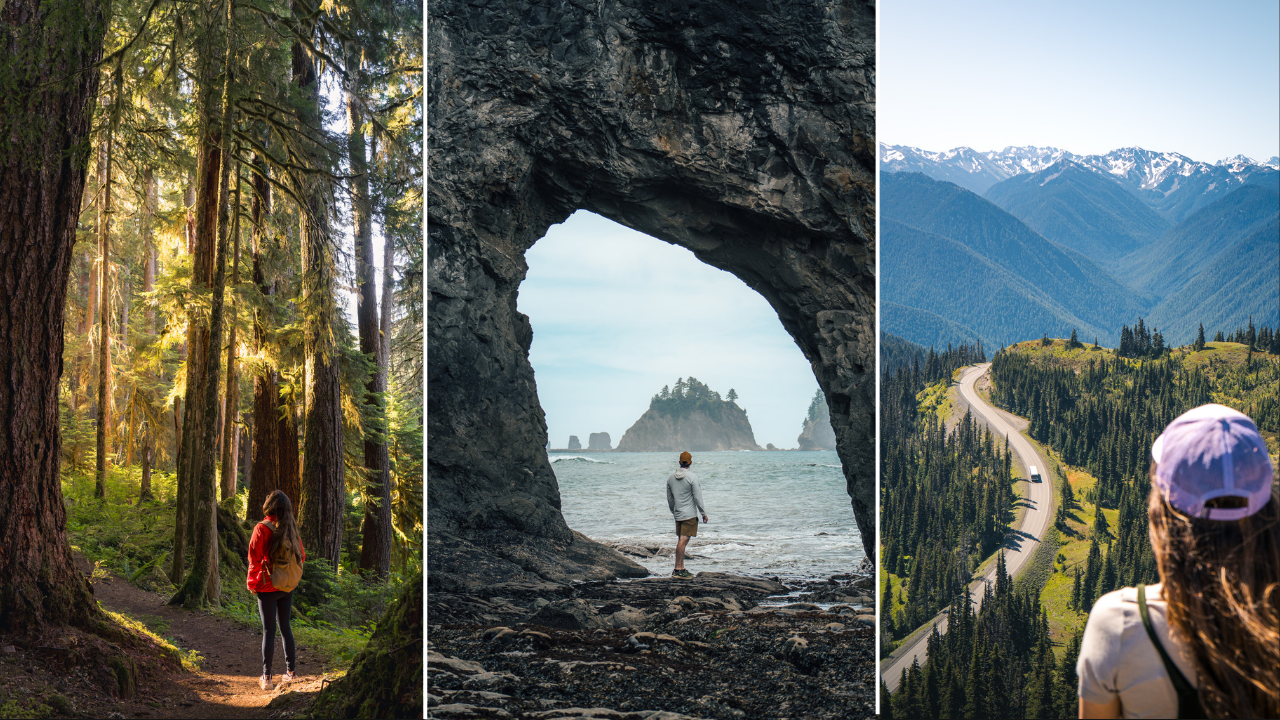
A simple way to understand Olympic is to think of its three main ecosystems: forest, coast and mountains.
On the western side of the peninsula you’ll find some of the best examples of temperate rainforest in the United States, especially in the Hoh and Quinault valleys. Along the Pacific lies around 118 km (73 miles) of largely wild coastline. Inland, the Olympic Mountains rise with alpine terrain, glaciers and peaks such as Mount Olympus.
The best part is that you can move from one of these landscapes to another in the same day. Below, we’ve divided the park into the areas we most recommend visiting within these three ecosystems.
Forests in Olympic National Park
Hoh Rain Forest: Olympic’s most famous forest
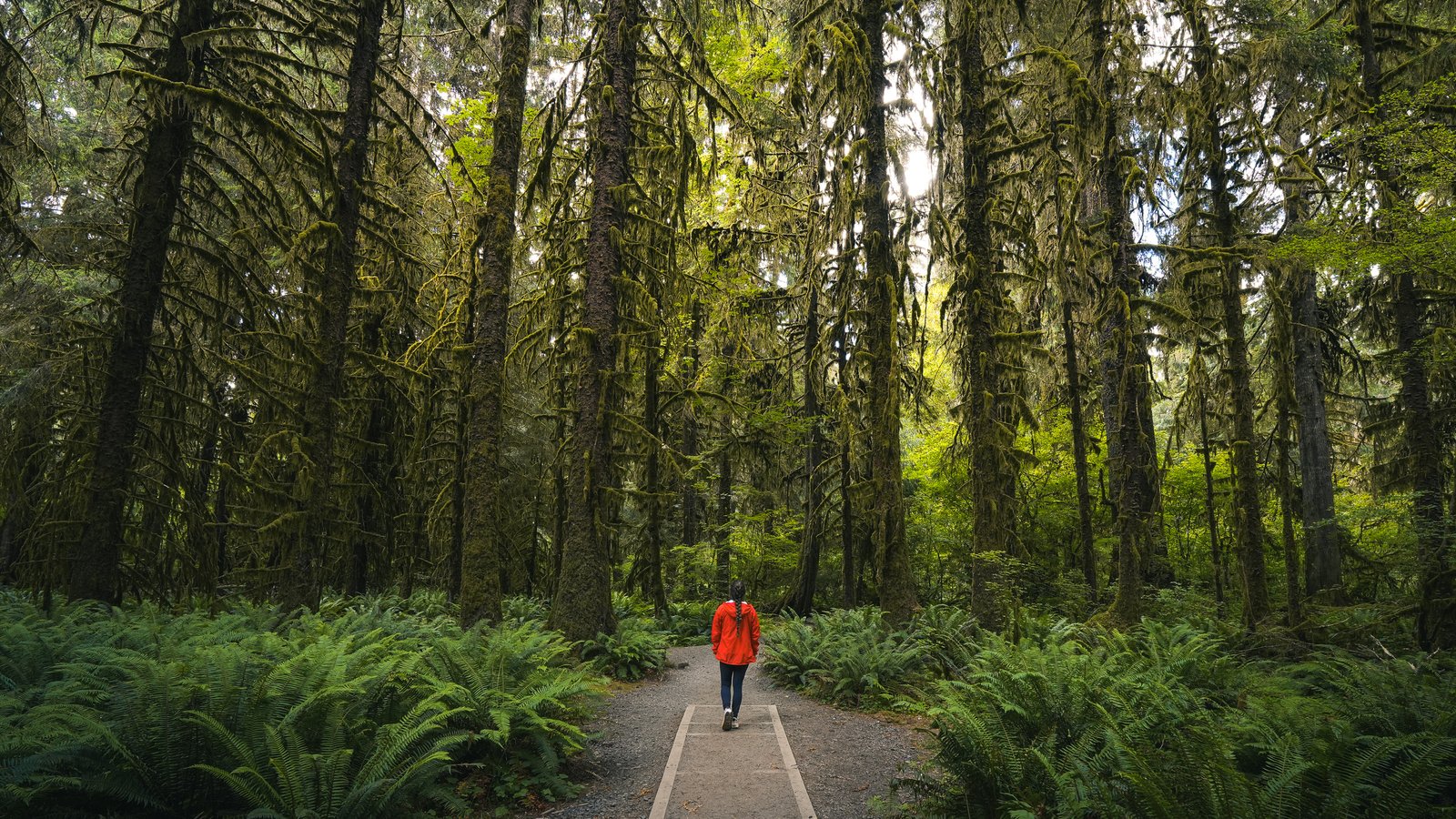
If you’ve seen photos of Olympic National Park before your trip, there’s a good chance many of them were taken in the Hoh Rain Forest. This area receives a huge amount of precipitation throughout the year, and all that moisture creates the landscape you probably have in mind: enormous ferns, moss-covered trunks and branches draped in vegetation.
Hall of Mosses
Hall of Mosses is the best-known trail in the Hoh Rain Forest and also one of the easiest. It’s a loop of just 1.3 km (0.8 miles) that starts next to the Visitor Center. The point of this trail isn’t to tackle a big hike, but to slow down and take in the trees, moss and endless shades of green around you. If you have limited time in the Hoh Rain Forest, this would be our first choice.
Spruce Nature Trail
Right next to it begins the Spruce Nature Trail, another loop of approximately 1.9 km (1.2 miles).
We think it’s a great complement to Hall of Mosses because the scenery changes a little. The trail passes through old-growth forest and younger woodland before also reaching the Hoh River.
Since both trails are fairly short, you can easily do them during the same visit.
Hoh River Trail
If you’re looking for a more serious hike, you can consider the Hoh River Trail, which also starts from the same area. You’ll see the information signs at the beginning, next to the visitor center.
This trail follows the river valley for many kilometers, and you can simply walk part of it and turn around whenever you want. For those looking for a multi-day adventure, the trail continues to Glacier Meadows, around 28 km (17.4 miles) from the trailhead, and eventually toward the moraine of Blue Glacier. That’s a completely different kind of trip and requires preparation for spending the night on the trail. We haven’t done it ourselves, so we can’t really comment on the trail conditions or its difficulty.
A tip for visiting the Hoh
The Hoh Rain Forest is one of the most popular places in the park, and long lines can form at the entrance during the summer months. We would try to arrive early or leave your visit until later in the afternoon.
Sol Duc Valley and Sol Duc Falls
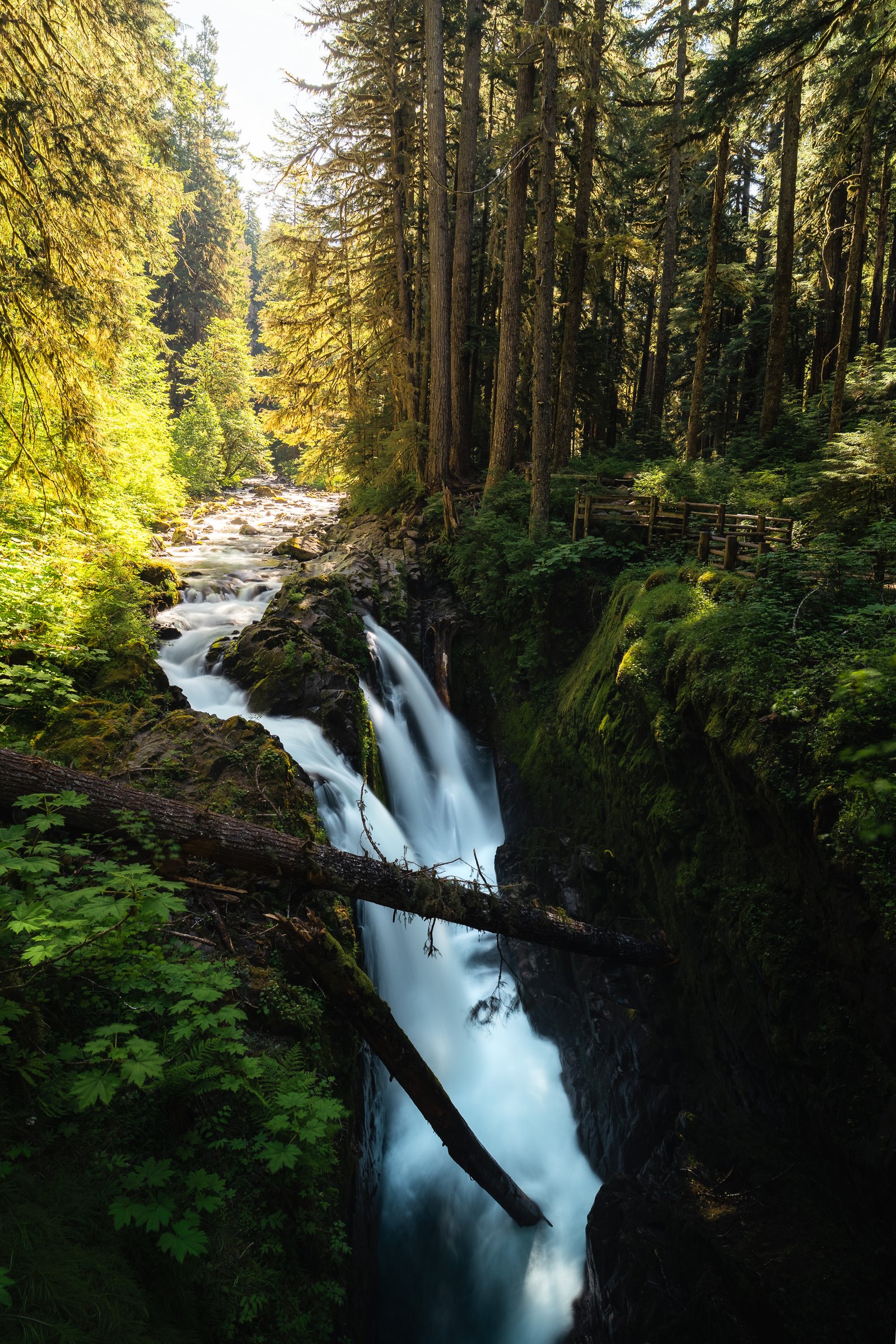
From the end of Sol Duc Road, the trail to the waterfall is approximately 1.3 km (0.8 miles) each way. It’s a relatively short and very pleasant hike through the forest to a bridge overlooking the falls. This is the standard route.
We did the hike a little differently because we had spent the night at Sol Duc Campground. Instead of driving to the usual trailhead, we walked directly from the campground and connected with the trail leading to the falls. This meant we could start the hike practically from our campsite while also enjoying the entire walk through the forest. If you’re staying at this campground and have enough time, we recommend doing it this way. Otherwise, you can always drive to the parking area where the standard trail begins.
The valley is also home to Sol Duc Hot Springs Resort and much longer trails heading toward Seven Lakes Basin and High Divide.
If you visit in fall, you may get to see salmon swimming upstream to spawn. Salmon Cascades is one of the easiest places in the park to look for them, especially from late September through early October.
Lake Quinault and Quinault Rain Forest
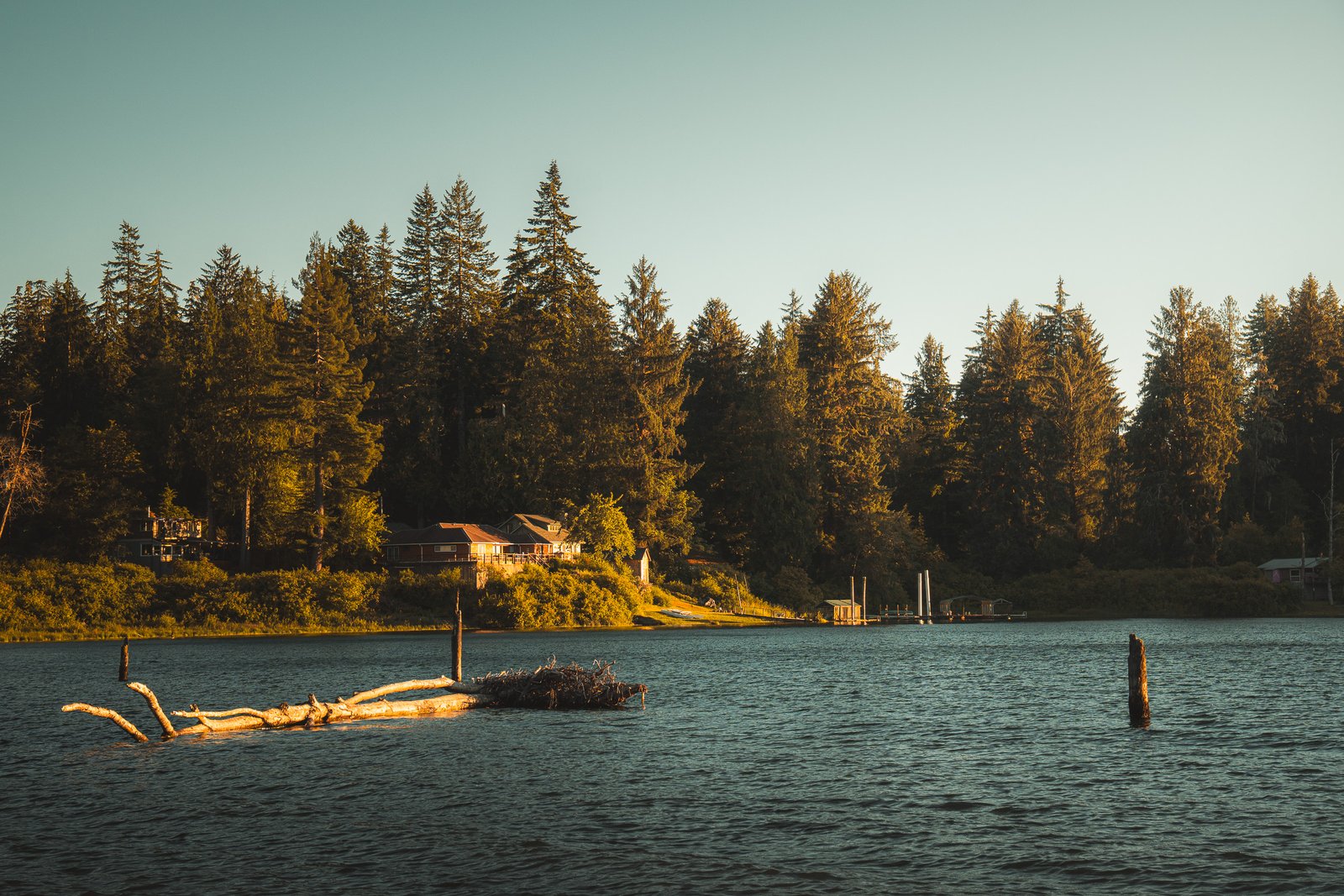
Quinault sits in the southwestern part of Olympic and tends to get a little less attention than the Hoh Rain Forest.
Here you’ll find another very typical combination in the park: a large lake surrounded by forest, with roads leading deeper into the valley.
If you have enough time, we recommend stopping by Lake Quinault around sunset and walking some of the short forest trails. Alternatively, you can drive part of the scenic road that passes through both Olympic National Park and Olympic National Forest.
Short trails around the Quinault Rain Forest include Maple Glade, an approximately 0.8 km (0.5-mile) loop among large moss-covered maples, and Kestner Homestead, which is around 2.1 km (1.3 miles).
The coast of Olympic National Park
The Pacific coast will be a big part of your trip through Olympic National Park. The park protects approximately 118 km (73 miles) of wild Pacific coastline. You won’t find the typical beach towns and promenades you may be used to elsewhere. Here, forests reach almost all the way to the ocean, huge logs washed in by the tides lie across the beaches, and rocky sea stacks rise offshore along kilometers of rugged coast.
One important thing to keep in mind on these beaches is the tide. Besides helping you plan better photographs, checking the tides is also important for safety. The water can rise and cut off sections of coastline that were walkable only a short time earlier.
Kalaloch and the Tree of Life
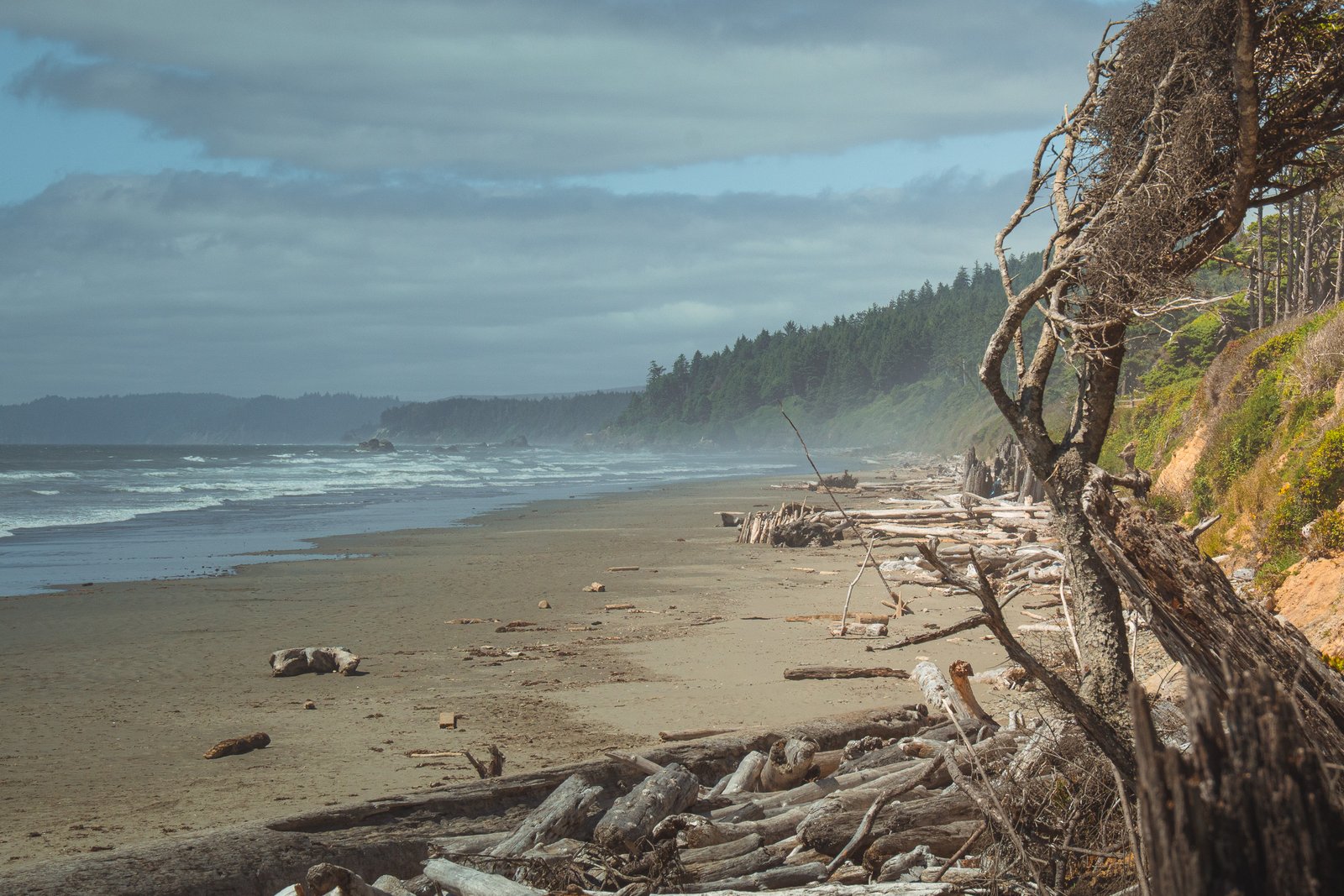
Kalaloch is one of the most accessible coastal areas in Olympic and a good place to stop while driving Highway 101.
Here you’ll find one of the park’s most unusual trees, known as the Tree of Life. A small stream flowing onto the beach has gradually eroded the ground beneath its roots, creating a huge cavity. The result is a tree that appears to hang between two sides of the bluff while much of its root system remains completely exposed.
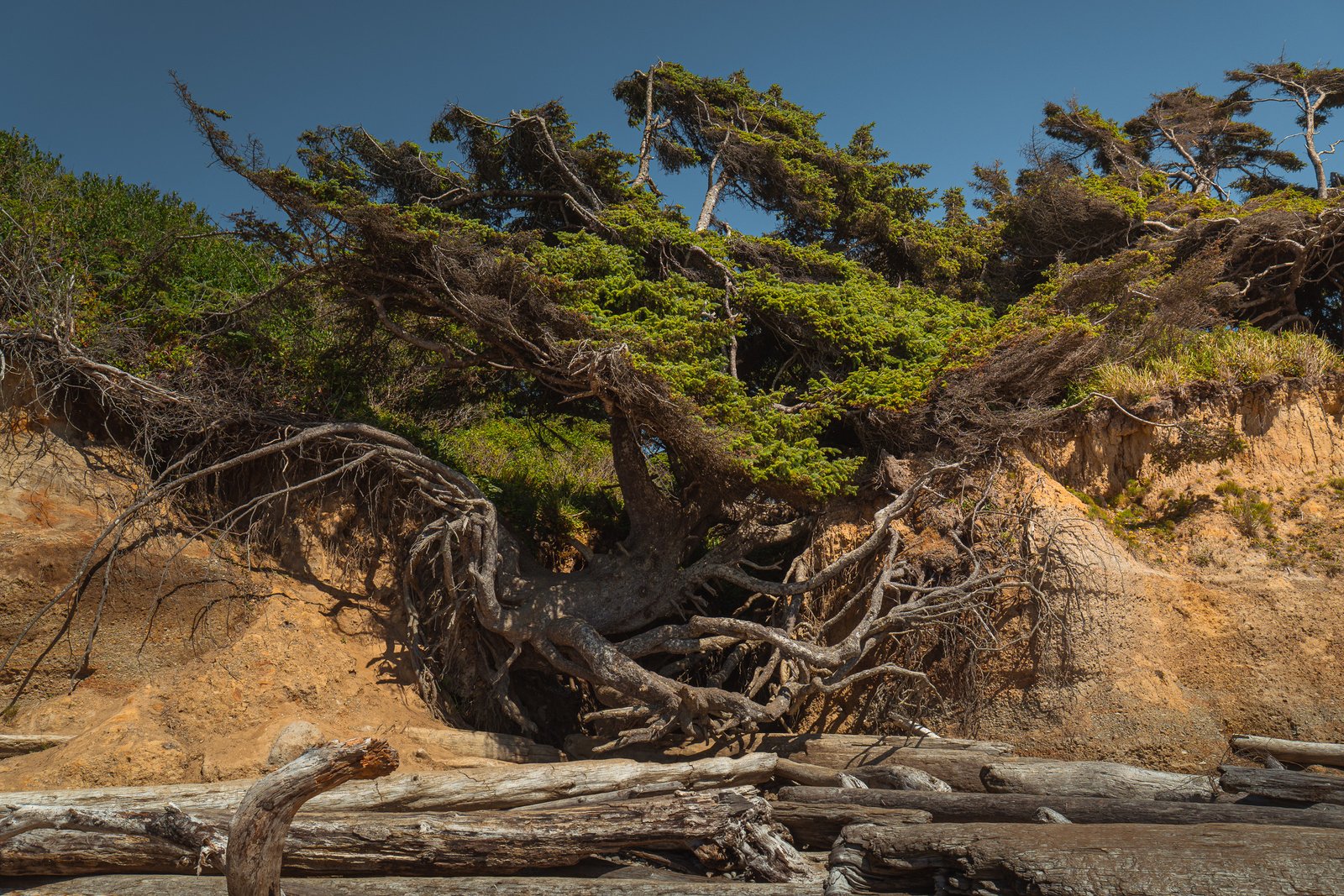
No one knows how long it will remain there, and that’s probably part of what makes it so fascinating and draws so many people to see it.
Ruby Beach
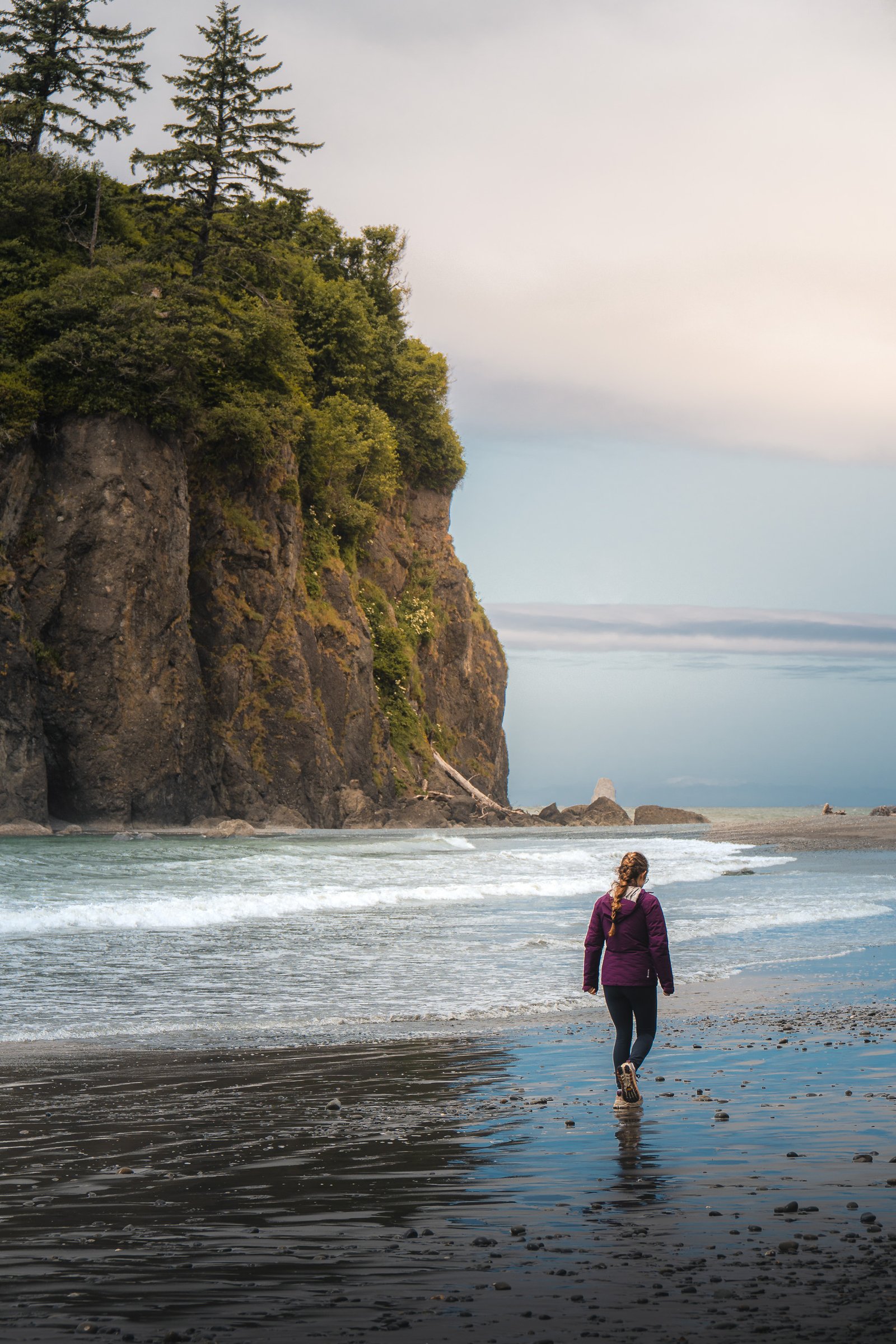
A few kilometers (a couple of miles) from Kalaloch is Ruby Beach, one of the best-known beaches in Olympic National Park.
The scenery here changes quite a bit with the tides. If you can time your visit for low tide, even better. You’ll also see enormous logs piled along the sand, rock formations offshore and small intertidal areas that appear as the ocean recedes.
Access from Highway 101 is also very straightforward, making this an easy stop to combine with Kalaloch or with your drive toward the Hoh Rain Forest.
Rialto Beach and Hole in the Wall
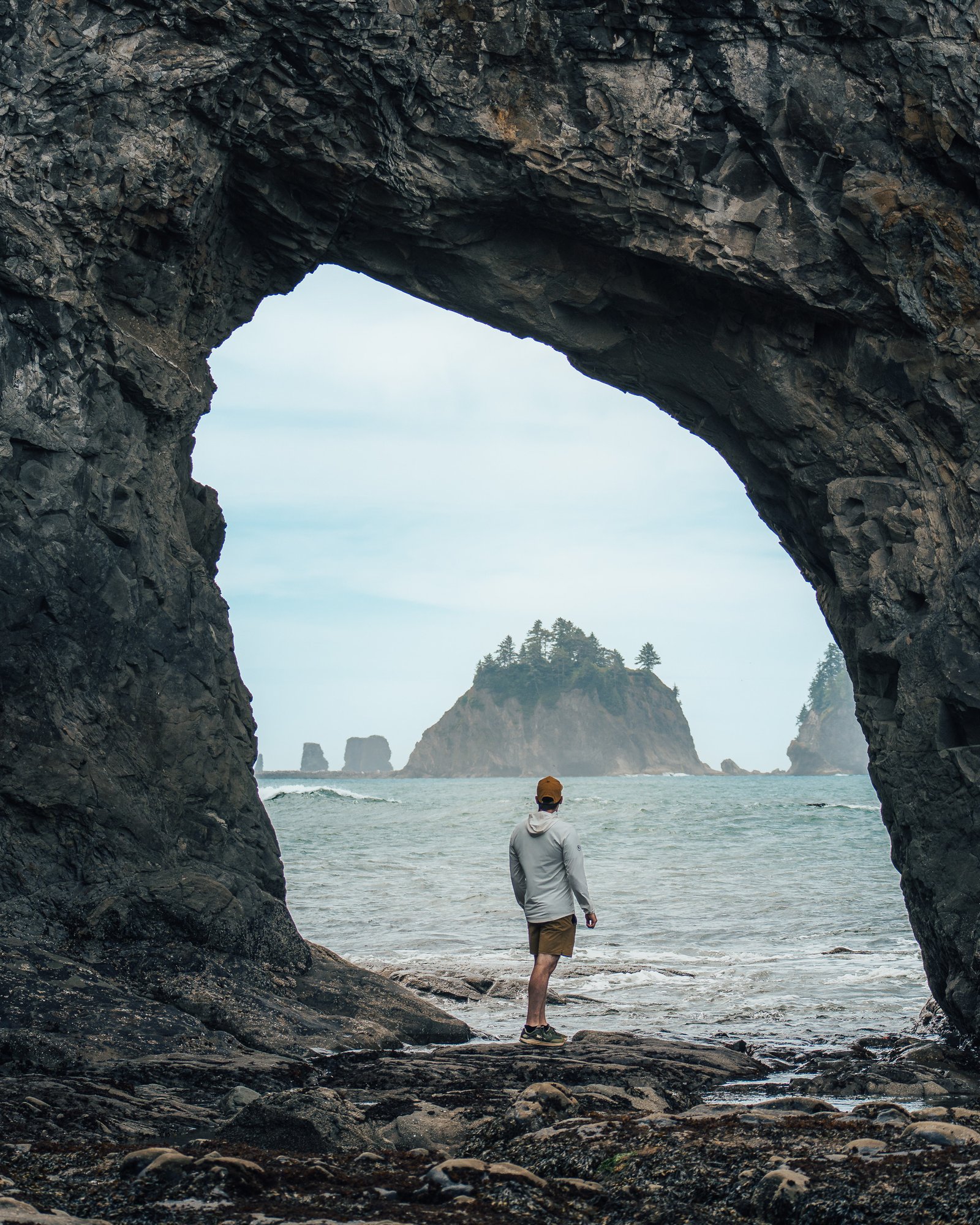
Rialto Beach feels a little different. Much of the beach is covered in pebbles and enormous driftwood logs, while large isolated rock formations rise from the ocean offshore.
You can simply stay around the beach access or walk north to Hole in the Wall, a natural arch carved by the ocean. From the Rialto Beach access, it’s approximately 2.4 km (1.5 miles) to the arch. If you want to reach it during the best part of low tide, plan your timing carefully and don’t start the walk once the water is already rising.
🚨 Check the tides before you start walking. Along some parts of this coast, this isn’t just a recommendation but a safety issue. The tide may be low when you reach Hole in the Wall but already rising, which can make the return difficult as the water level comes up.
Second Beach and Third Beach
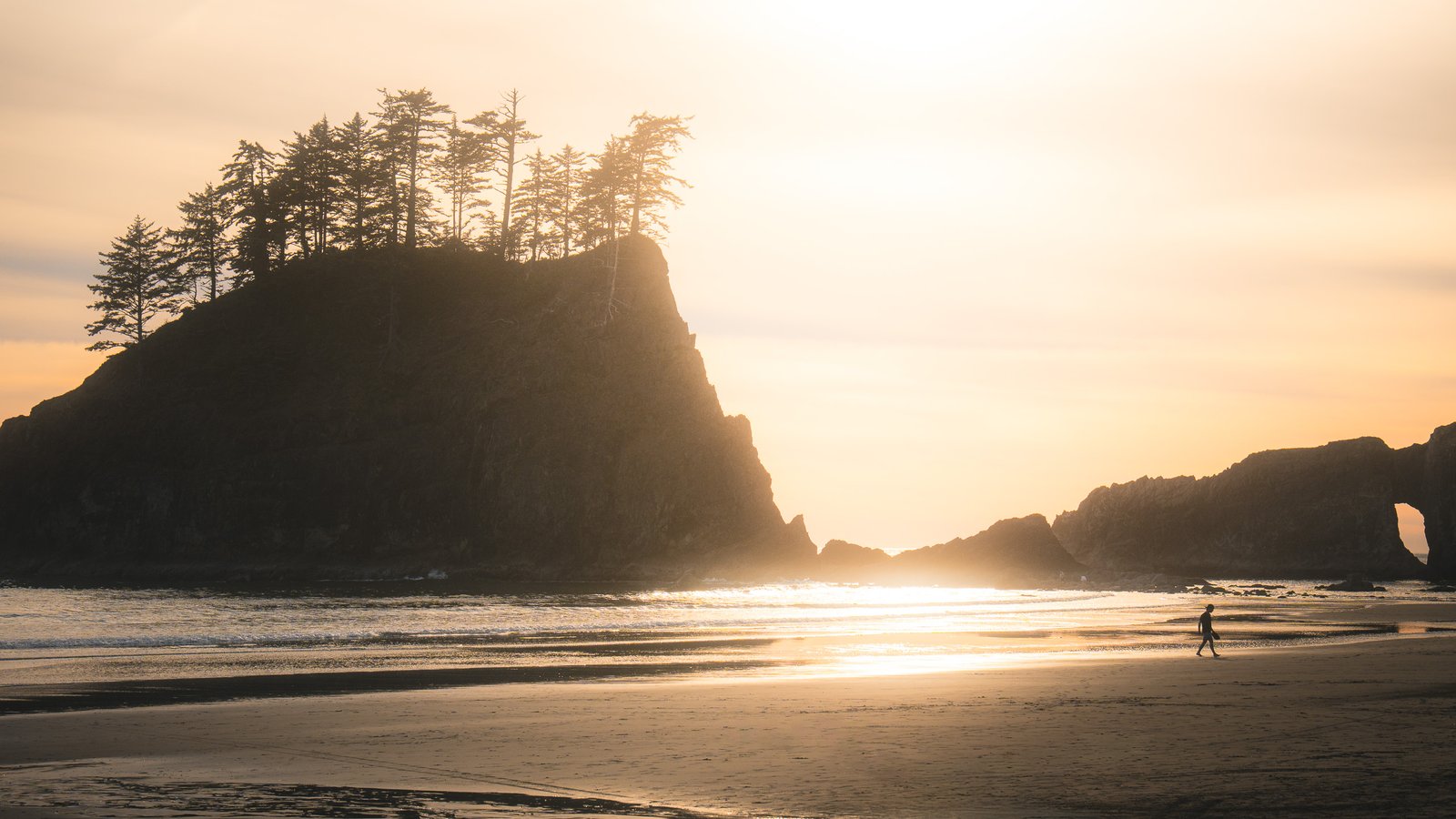
Second Beach was one of our favorites. We don’t think it’s objectively more beautiful than the others or that we saw anything dramatically different there, but we do remember it as one of the most special beaches of the trip.
To reach it, you have to walk around 1.1 km (0.7 miles) from La Push Road, first through the forest and then down toward the coast. That approach alone makes the experience feel completely different because, for a while, it seems like you’re simply walking through another Washington forest until the beach suddenly appears ahead of you.
Third Beach lies a little farther south and requires approximately 2.25 km (1.4 miles) of hiking to reach the beach.
One important thing is not to confuse these beaches with First Beach. First Beach is located within the Quileute Reservation, while Second Beach and Third Beach are part of Olympic National Park.
Tide pools: small worlds revealed at low tide
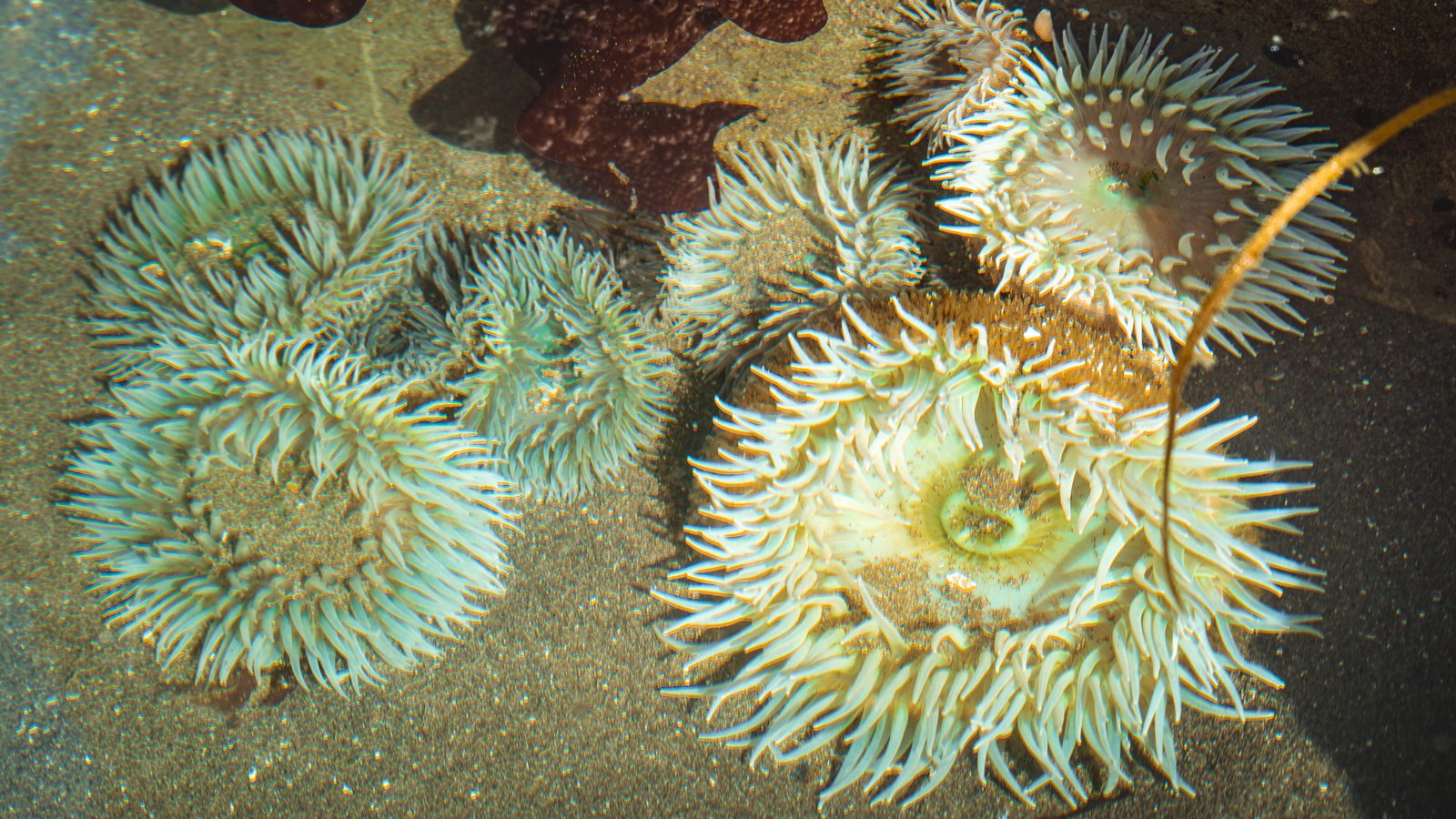
One of the coolest things about exploring Olympic’s coast is discovering the tide pools, natural pools left among the rocks as the ocean recedes.
If you visit at the right time, you can find anemones, sea stars, sea urchins, small crabs, mussels and many other species.
Some of the best-known places in the park for tide pooling include Beach 4, Hole in the Wall, Second Beach, Third Beach and Ruby Beach.
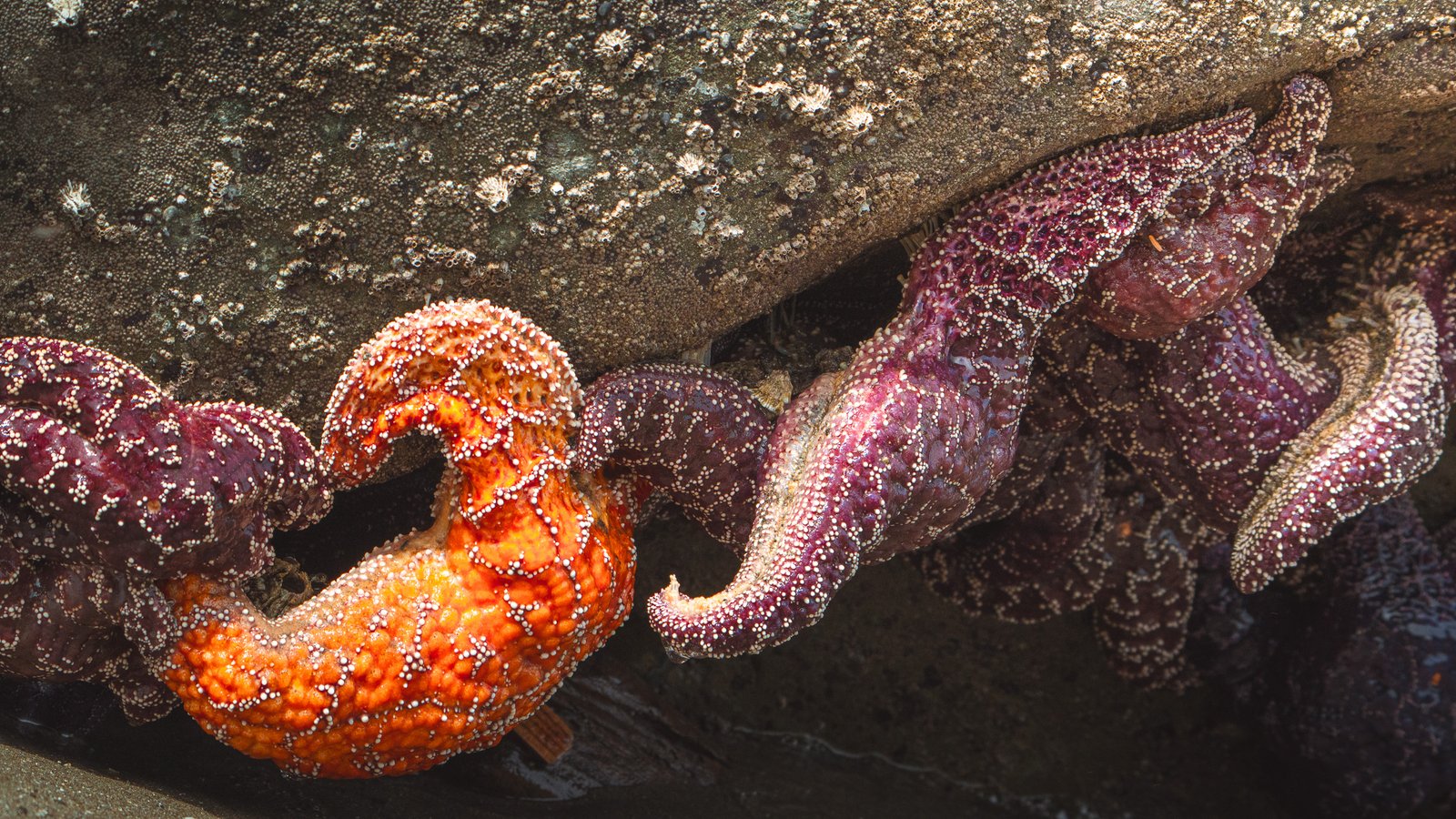
Here, timing matters a lot. It’s not enough to simply see that there will be “low tide.” If your goal is to explore tide pools, it’s worth planning your schedule around the tides first and fitting the rest of the day around them. You can check tide times at the visitor centers. You can also find more information about the tides on the official National Park Service website.
The mountains of Olympic National Park
Hurricane Ridge: Olympic’s mountain side
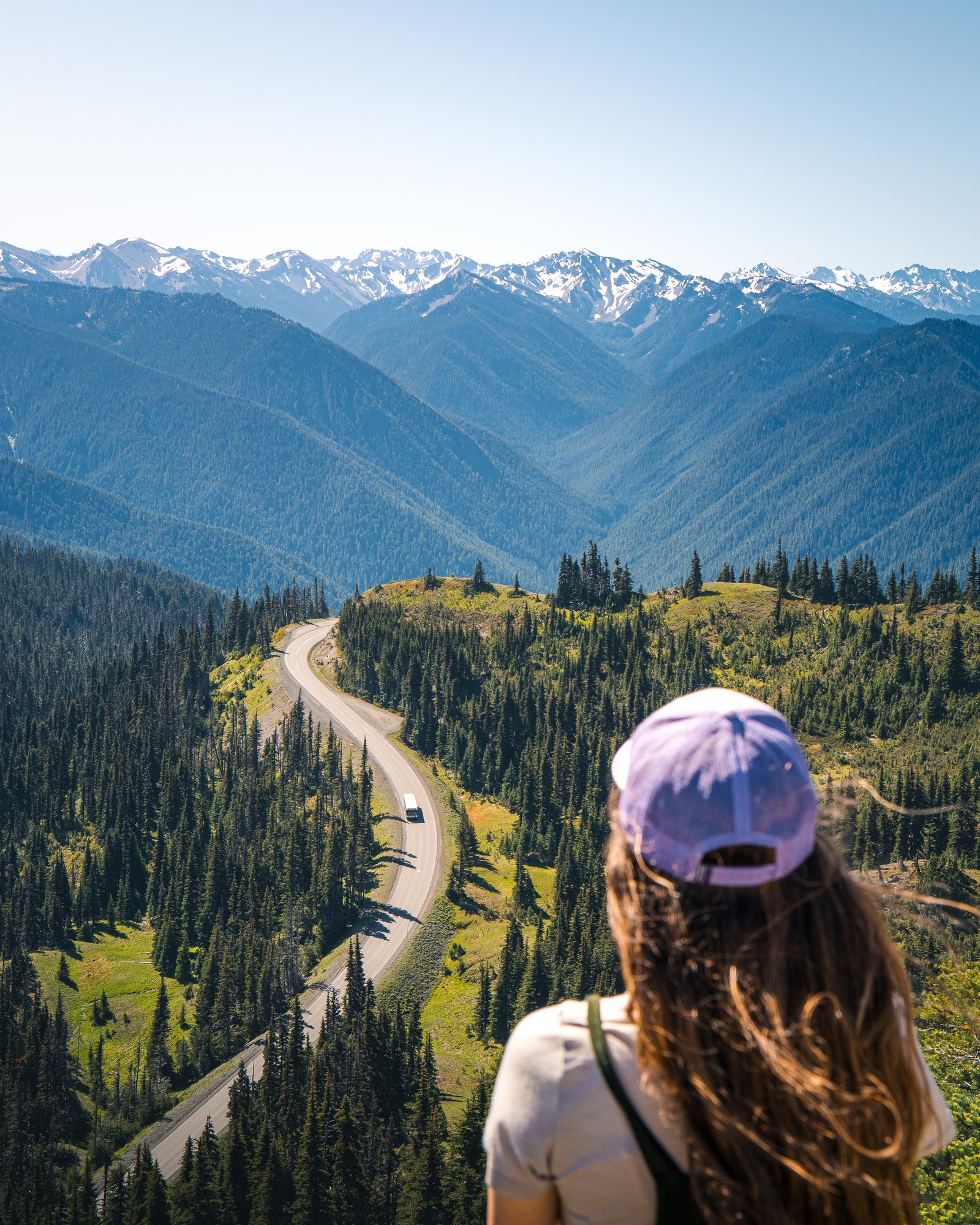
After forests and beaches, Hurricane Ridge changes the scenery completely once again.
It’s the easiest mountain area to reach by car in Olympic National Park and sits at around 1,600 meters of elevation. From Port Angeles, it’s approximately 27.5 km (17.1 miles) to Hurricane Ridge.
In good weather, the views across the Olympic Mountains are spectacular. If you visit in July or August, you’ll also have a better chance of seeing the alpine meadows full of flowers. We already saw a few in June, but the main bloom comes later.
Another thing to keep in mind if you’re visiting in June is that not every mountain road or trail will necessarily be snow-free yet. Conditions vary greatly from year to year, and some secondary high-elevation roads don’t usually open until later in the season. It’s best to always check current conditions with the National Park Service before heading up.
Hikes at Hurricane Ridge
If you’re looking for a relatively short hike, Hurricane Hill is probably the best-known option. It’s around 5.1 km (3.2 miles) round trip, with approximately 210 meters of elevation gain.
There are also much easier options around the Hurricane Ridge meadows, such as Cirque Rim or High Ridge, as well as significantly longer hikes toward places like Klahhane Ridge.
We would simply adapt your choice to the conditions you find that day. Weather can change quickly here, and a trail that is relatively straightforward in August can be a completely different experience if snow is still present.
Mount Olympus and Blue Glacier
Although Hurricane Ridge is the mountain area most visitors see, the true mountainous heart of the park lies much farther from the roads.
Mount Olympus is the best-known peak in the range, and several glaciers remain around it, including Blue Glacier. You can approach this area via the Hoh River Trail. Glacier Meadows is approximately 28 km (17.4 miles) from the trailhead, and the trail continues to the Blue Glacier moraine, around 30 km (18.6 miles) from the Hoh Visitor Center.
Getting this far means a multi-day trip for most people, wilderness permits for overnight stays and considerably more preparation than any of the walks we’ve discussed so far. We didn’t do it on this trip, so we can’t offer any further recommendations. But even if it’s not in your plans either, we think it’s worth knowing this route exists because it helps put into perspective just how huge Olympic National Park really is.
Lake Crescent: blue water between the mountains
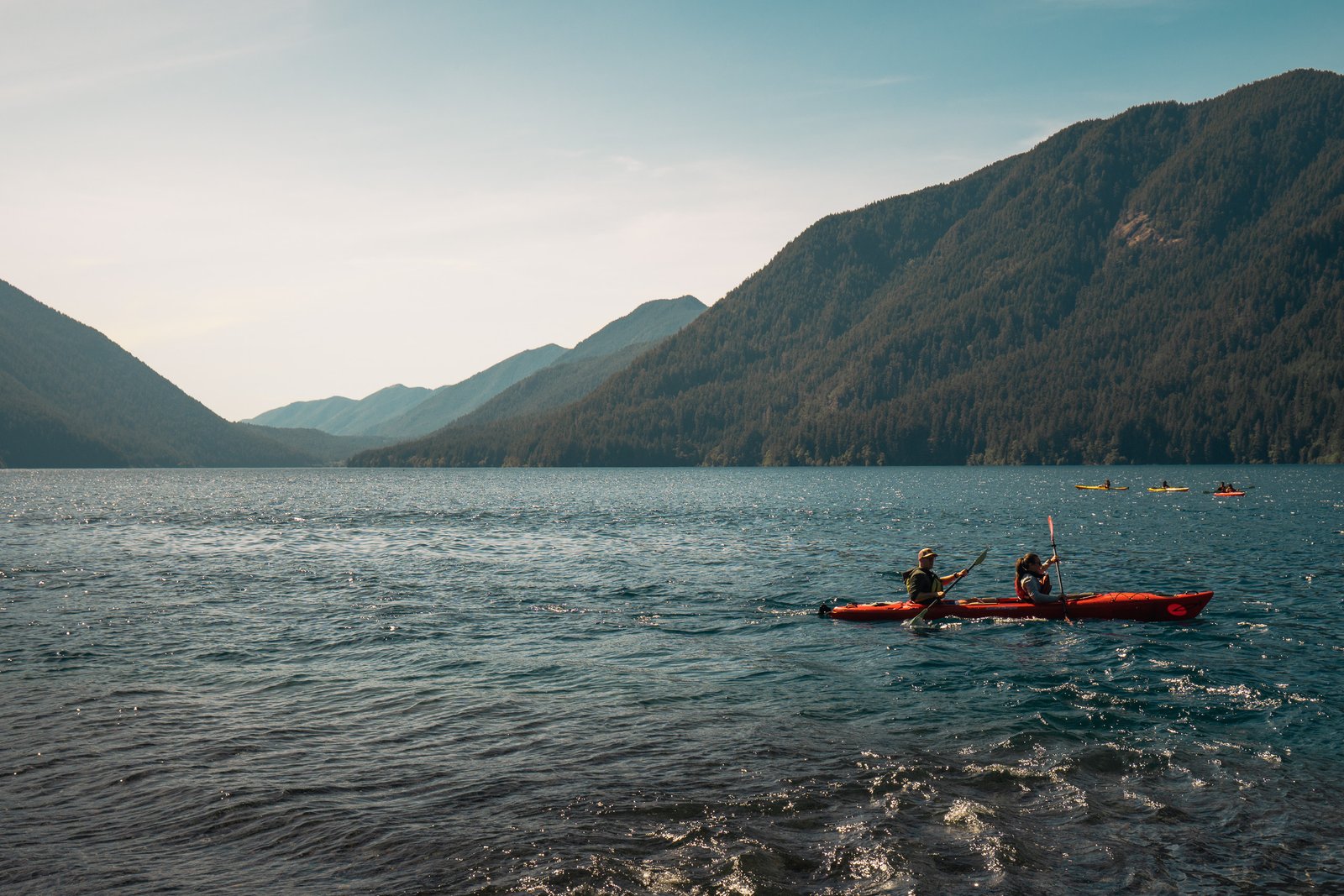
Lake Crescent is a huge glacial lake surrounded by forest and mountains, known for its distinctive blue color and surprisingly clear water. We learned that the water is so clear because low nitrogen levels limit algae growth.
The lake reaches a depth of around 190 meters, making it the second-deepest lake in Washington State after Lake Chelan.
There are several picnic areas, and you can also get out on the water by kayak, canoe or other watercraft. Lake Crescent Lodge also usually offers boat rentals during its operating season.
We would include Lake Crescent even if you’re not planning to hike. It’s a very easy stop while driving Highway 101, and the scenery alone is worth spending some time by the water.
Mount Storm King
One of the most famous hikes at Lake Crescent is Mount Storm King.
We didn’t do this one. I was pregnant during this trip and we had to adapt our hiking plans quite a bit, so some of the more demanding trails on our list had to wait for another time, and this was one of them.
Mount Storm King is relatively short in distance but involves a serious climb. The trail rises from around 180 to around 820 meters in elevation, and the upper sections are considerably more demanding than they may appear.
The views over Lake Crescent are probably one of the reasons this hike has become so popular, so we already have a good excuse to come back.
What animals can you see in Olympic National Park?
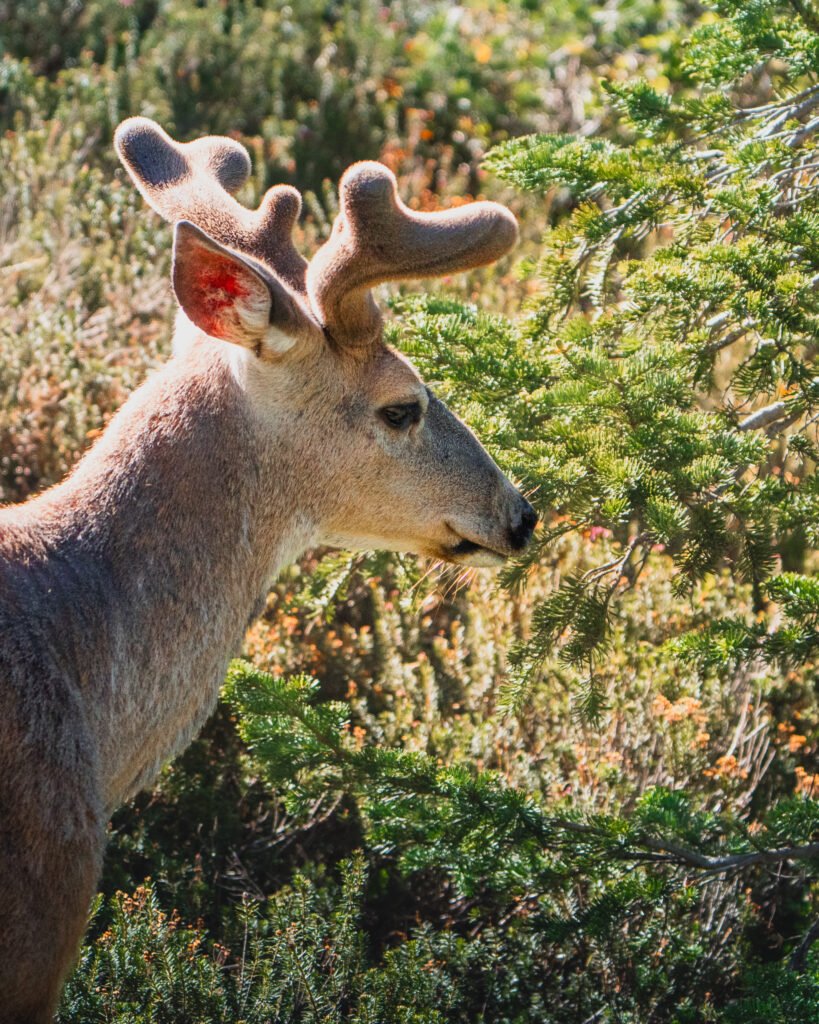
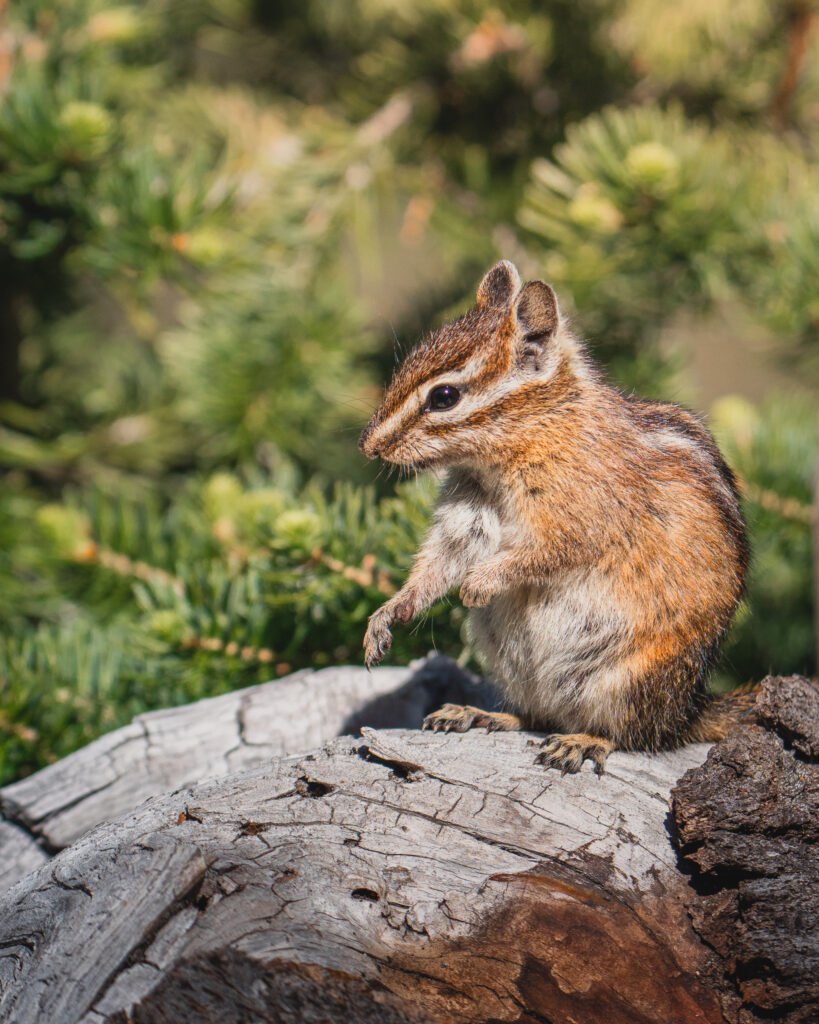
Olympic is home to a lot of wildlife, although that doesn’t necessarily mean you’ll see it.
Large mammals include Roosevelt elk, black bears, coyotes and bobcats. The mountain areas are also home to Olympic marmots, a species found only on the Olympic Peninsula. Along the coast, you may see seals, otters, seabirds and, if you’re very lucky, whales.
Roosevelt elk are probably one of the park’s most characteristic animals, and your best chances of seeing them are usually in the lower valleys and rainforests, especially around dawn and dusk.
When to visit Olympic National Park
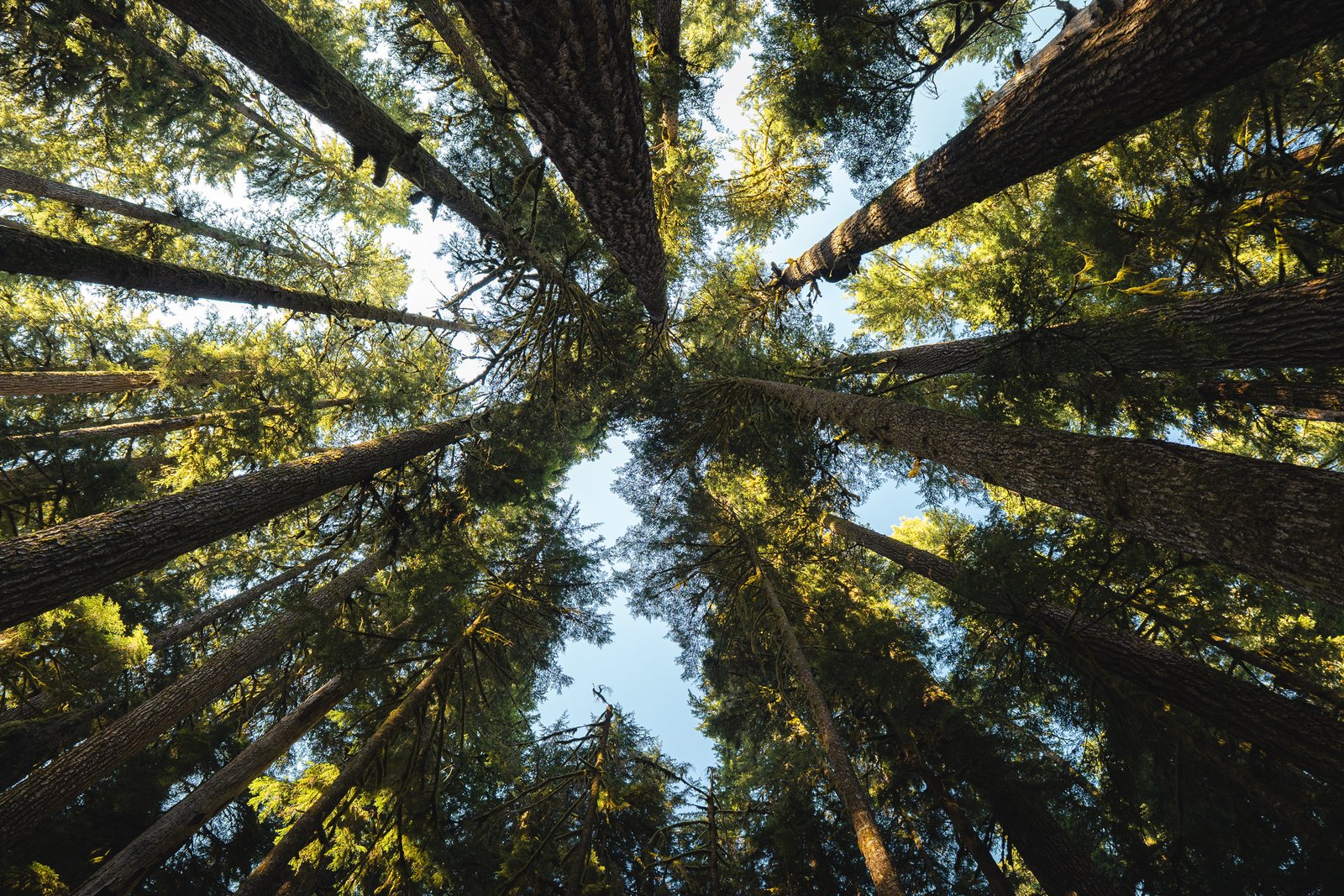
We don’t think there is one single best time to visit Olympic, but the kind of park you experience changes dramatically with the seasons.
Spring
Spring brings plenty of water, intensely green forests and waterfalls with strong flow, but there can still be a significant amount of snow in the mountains.
It’s an interesting time to visit if your priority is the forests and lower elevations, but it’s worth checking conditions carefully before planning hikes in the high mountains.
Summer
This is the easiest season for visiting the widest variety of places. Most roads and services operate during the summer months, and Hurricane Ridge offers better hiking opportunities and a better chance of seeing the meadows in bloom. The days are also much longer.
The downside is the crowds. Between June and September, the park receives a large share of its visitors, and places such as Hoh Rain Forest and Hurricane Ridge can have parking area issues and long waits.
Fall
Fall can be a great time to visit Olympic National Park, especially if you’re interested in wildlife. The Roosevelt elk rut begins in September, and you may hear the males bugling.
It’s also a good season to look for salmon swimming upstream in some of the park’s rivers. Add to that the changing colors of the bigleaf maples and the return of the rains, which make the forests especially wet and green again.
Winter
Olympic remains open year-round, but the experience changes completely. Rain and storms dominate the lower elevations, while the Olympic Mountains can receive a huge amount of snow. Some roads, campgrounds and services close or reduce their hours during the colder months. Storms are also common along the coast.
How many days do you need for Olympic National Park?
We think this depends a lot on how much you want to hike and how deeply you want to explore the park, but we would try to allow at least three days.
With just one day, we would choose one part of the park and forget about the rest. From Port Angeles, for example, you can combine Hurricane Ridge with Lake Crescent, but trying to add the Hoh Rain Forest and the coast already starts turning the day into a race.
With two days, you can start combining mountains, forest and coast, although you’ll still spend a fair amount of time driving.
With three days, you can follow a fairly logical route through Hurricane Ridge, Lake Crescent and Sol Duc in the north before moving west toward the Hoh Rain Forest and one or more of the beaches.
Four or five days is where we think you can really start to enjoy the park. You can add Quinault, visit several beaches at the right tide and do some hikes without constantly feeling that you should be heading back to the car.
The National Park Service itself considers two or three days enough to experience the park’s three major ecosystems, although splitting your nights between the north and west sides helps a lot with reducing drive times.
Where to stay in Olympic National Park
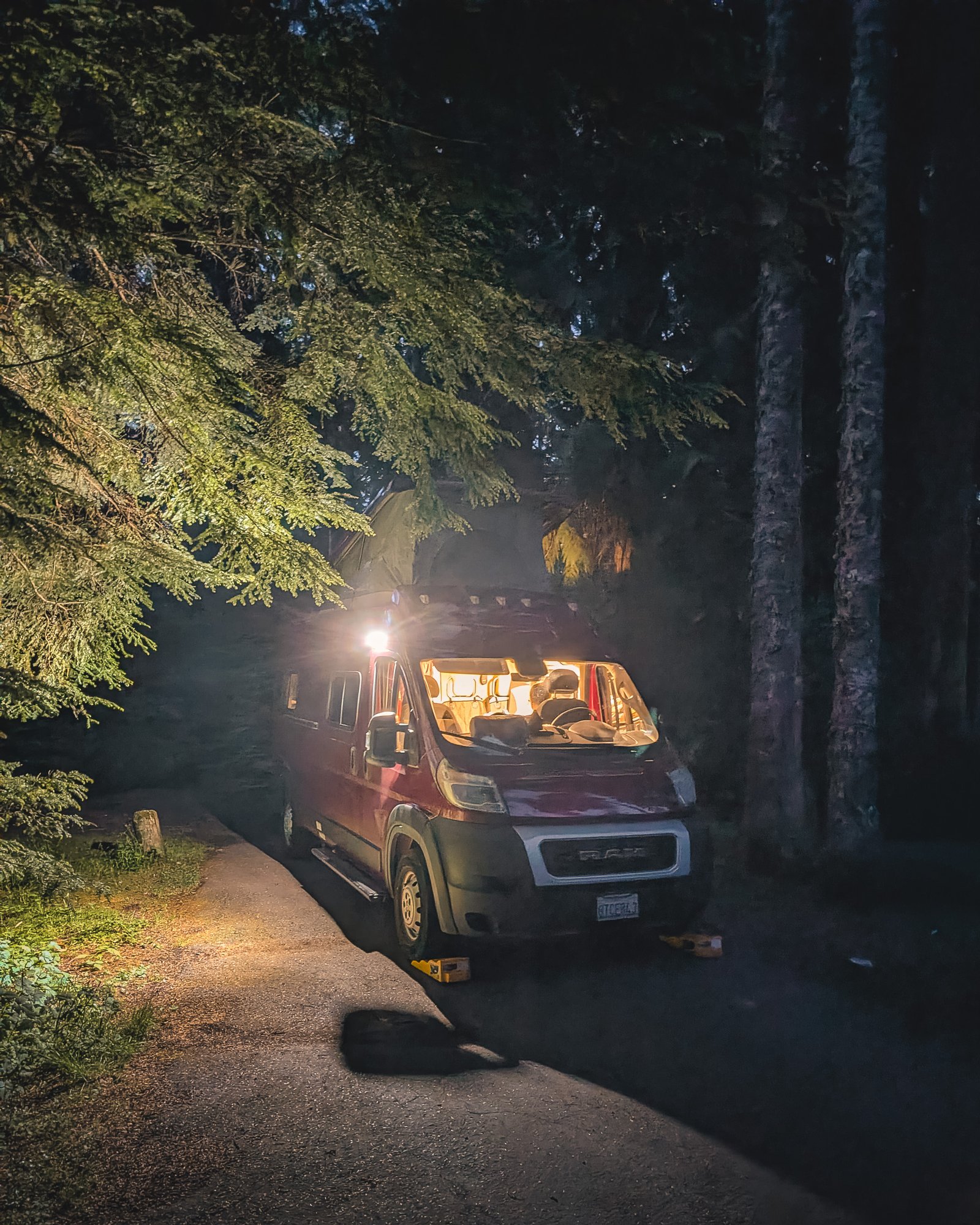
Choosing where to stay matters more here than it does in many other national parks.
If your priorities are Hurricane Ridge and Lake Crescent, Port Angeles is probably the most practical base. It’s close to the Hurricane Ridge entrance and gives you easy access to the northern part of the park.
If you want to visit Hoh Rain Forest, Rialto Beach and Second Beach, Forks is much better located.
For Kalaloch and Quinault, you can also look for accommodation directly around those areas if your route continues south.
Inside the park itself, there are also several campgrounds and lodges. Campgrounds include Hoh Rain Forest Campground, Mora Campground, Sol Duc Campground, Kalaloch Campground, Fairholme near Lake Crescent and Heart O’ the Hills near Hurricane Ridge. Reservation systems and opening dates can vary depending on the campground and time of year, so we recommend always checking current conditions before your trip.
Forks and Twilight
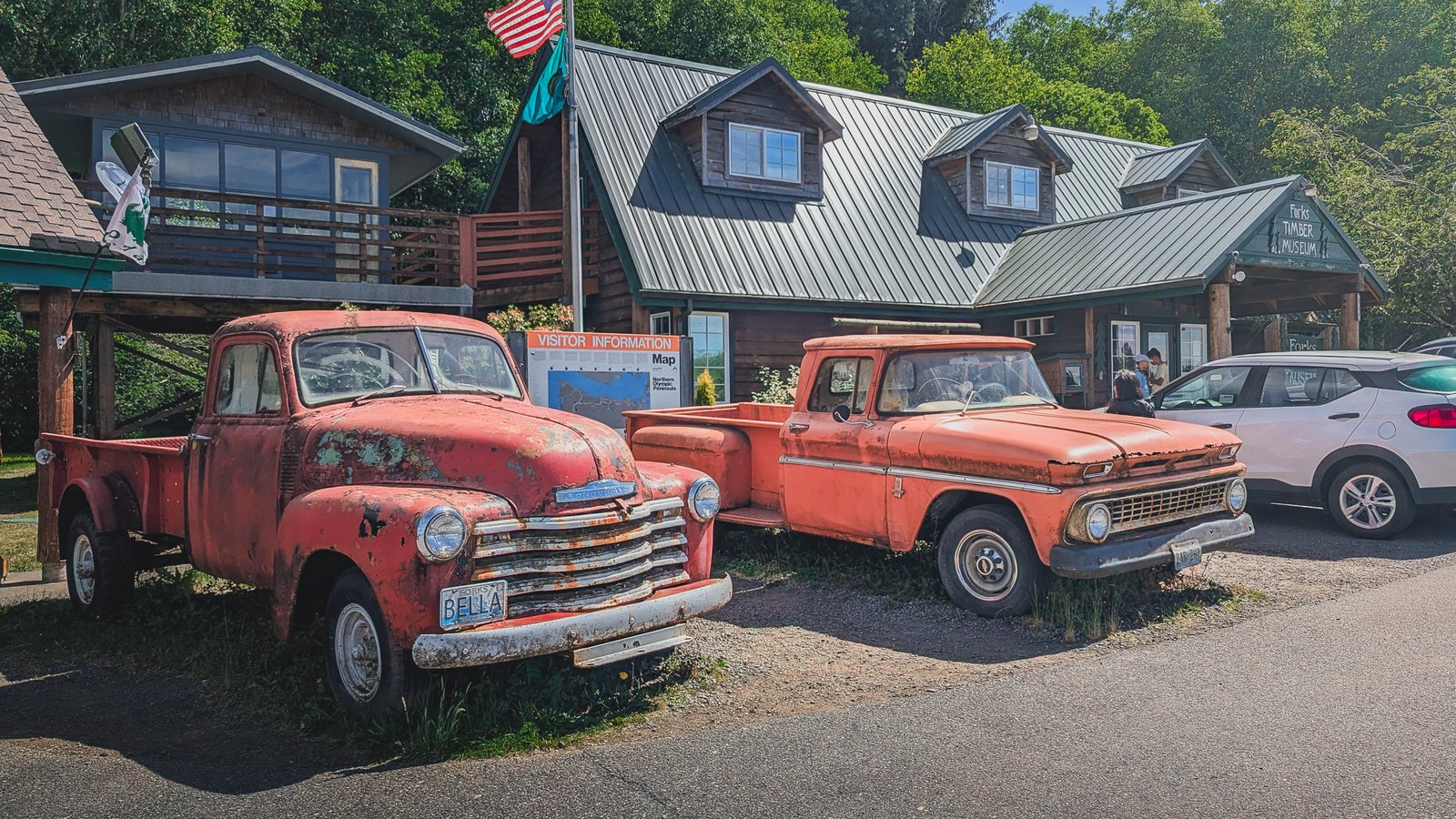
If the name Forks sounds familiar, it’s probably because of the vampire saga Twilight. Bella and Edward’s story is set in this small town on the Olympic Peninsula, and the series has left quite a mark on the town.
Although much of the movie series was filmed elsewhere, you’ll still find Twilight references and several places connected to the story around Forks.
We’re not going to include a full route through the Twilight locations in this Olympic National Park guide because we’ll create a separate post about Forks for anyone especially interested. Still, if you’ve read the books or watched the movies, it’s a fun stop to add while you’re exploring the area.
Near Olympic National Park: Rocky Brook Falls
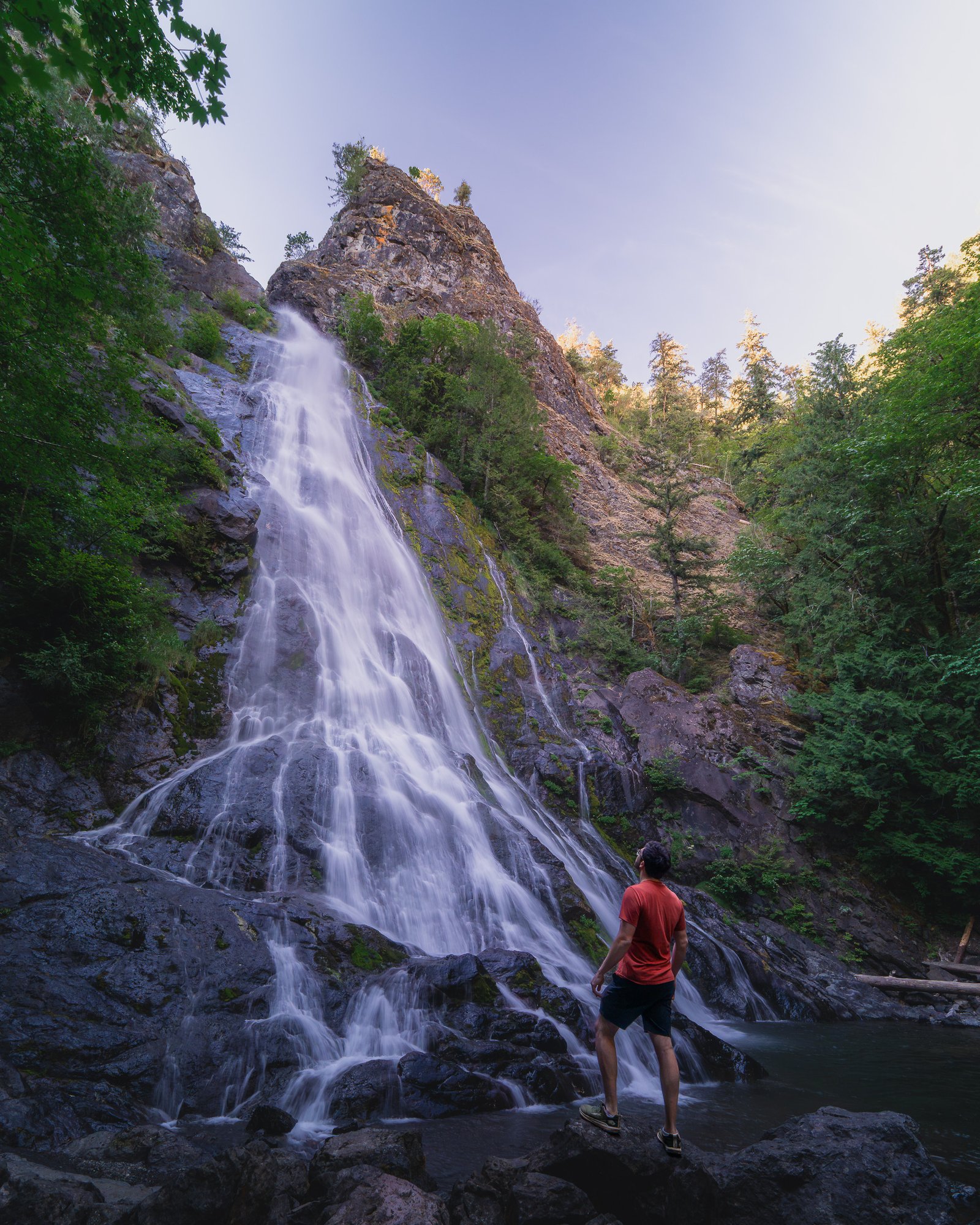
If you’re traveling around the entire Olympic Peninsula, there are also some interesting places outside the park boundaries. One we would include is Rocky Brook Falls.
It isn’t part of Olympic National Park, so we prefer to keep it clearly separate from the rest of this guide, but it fits very well as a stop on an Olympic Peninsula road trip.
Practical information before visiting Olympic
You don’t need a general reservation to enter Olympic National Park. The entrance fee for a private vehicle is $30 and is valid for seven consecutive days. You can also use a valid America the Beautiful Pass.
That doesn’t mean you can completely forget about reservations. Some campgrounds require reservations during peak season, and if you’re spending the night in the wilderness while doing a multi-day route, for example, you’ll need a specific permit.
We recommend downloading maps and any important information before you start the day. Cell service is quite unreliable, and in places such as the Hoh Rain Forest and some beaches there may be little or no signal. It’s also useful to check road conditions before setting out each day. Look for snow, landslides, roadworks, flooding or fallen trees blocking roads. We experienced this ourselves on one of the roads, and it can change your plans considerably.
Is Olympic National Park worth visiting?
Is Olympic National Park worth visiting?
After exploring it ourselves, the answer for us is pretty simple: yes.
But we think the key is understanding what kind of park it is before you arrive.
Olympic isn’t one of those places where you park, do one hike and feel as though you’ve already seen the most important part. The distances are large, and each area of the park feels quite different from the last.
You can spend a morning walking among moss-covered trees in the Hoh Rain Forest, be looking for sea stars among the rocks of the Pacific coast a few hours later, and head into the mountains at Hurricane Ridge the following day. And all of that without leaving the same national park.
Olympic is also a little special to us because it was one of the last trips we took as just the two of us. I was already pregnant, which meant we had to adapt the trip quite a bit. We’re used to doing different kinds of hikes, walking more kilometers and keeping a very different pace, so some of the trails we would normally have done had to wait this time.
And although at first it was a little frustrating to slow down, it was also nice to discover the park in a different way. We were still able to do a lot, simply adapting things to where we were at that point, and we came home with plenty of memories from that final trip before our little girl arrived.
That’s why, in this guide, we’ve included both what we did ourselves and some of the trails and places we left for another trip and would like to explore when we return.
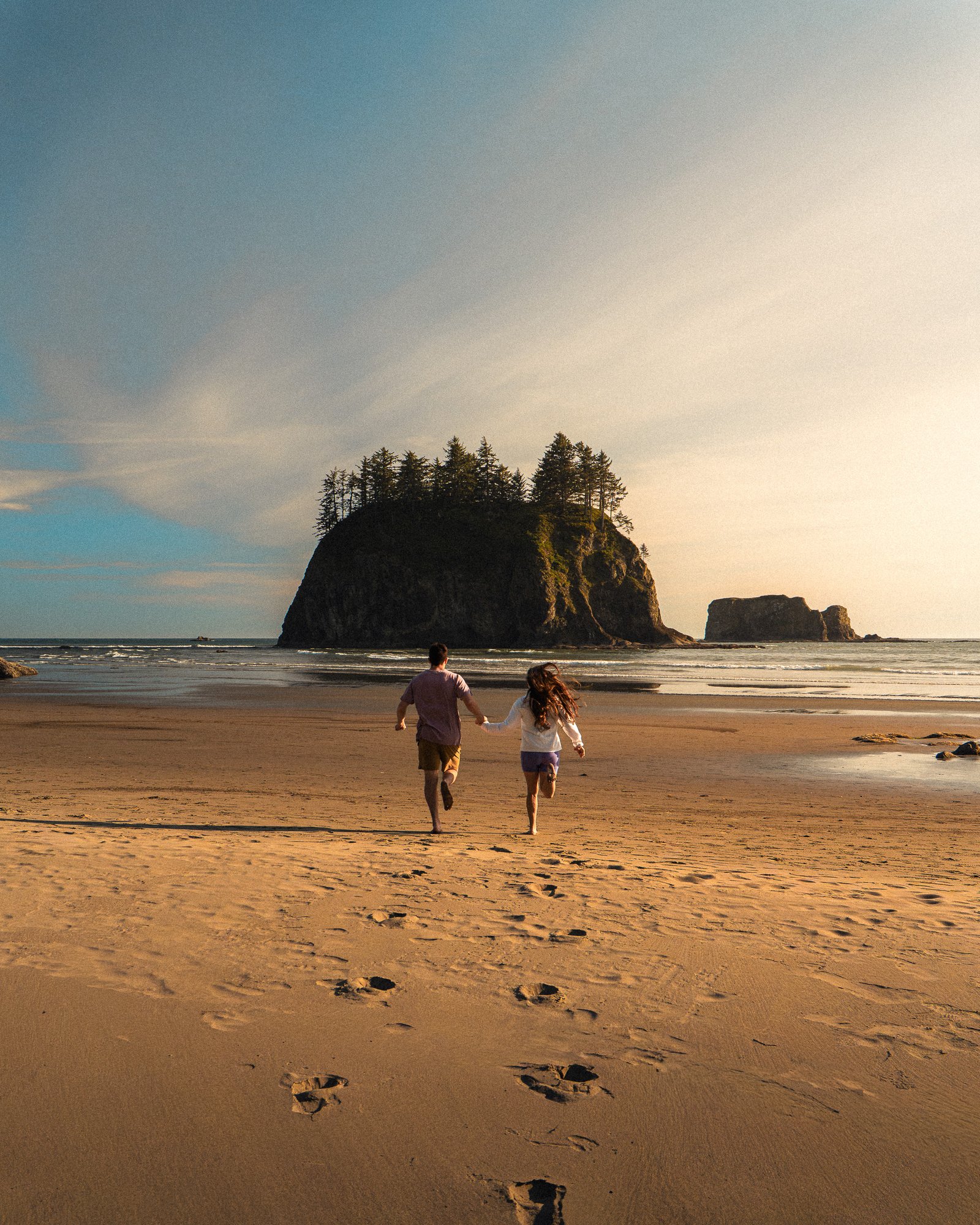
See you on the road!