
Monterey Bay Aquarium Guide: What to See, Tickets & Tips
If you’re planning a trip to Monterey, California, the Monterey Bay Aquarium is probably already on your radar. In this guide, we share our experience visiting the aquarium, what we liked most, how much time to allow, current ticket prices, and whether we think it’s worth adding to your California itinerary.
We visited the Monterey Bay Aquarium while our family was in California, and it ended up being one of the highlights of their trip. Admission is not cheap, and we’ll get into prices later. We honestly weren’t sure beforehand whether it would be worth the cost. That’s exactly why we put together this complete Monterey Bay Aquarium guide, to help you decide whether it deserves a spot in your plans.
For us, there was also something special about finally visiting. Since moving to California, our relationship with the ocean and marine wildlife has changed completely.
Before living here, the landscape that shaped our everyday life was the Alps. We spent several years between Switzerland and Austria, surrounded by mountains, forests, and alpine wildlife. The ocean, on the other hand, was something we mainly experienced while traveling, such as during our trip to the Lofoten Islands.
California introduced us to a completely different world.
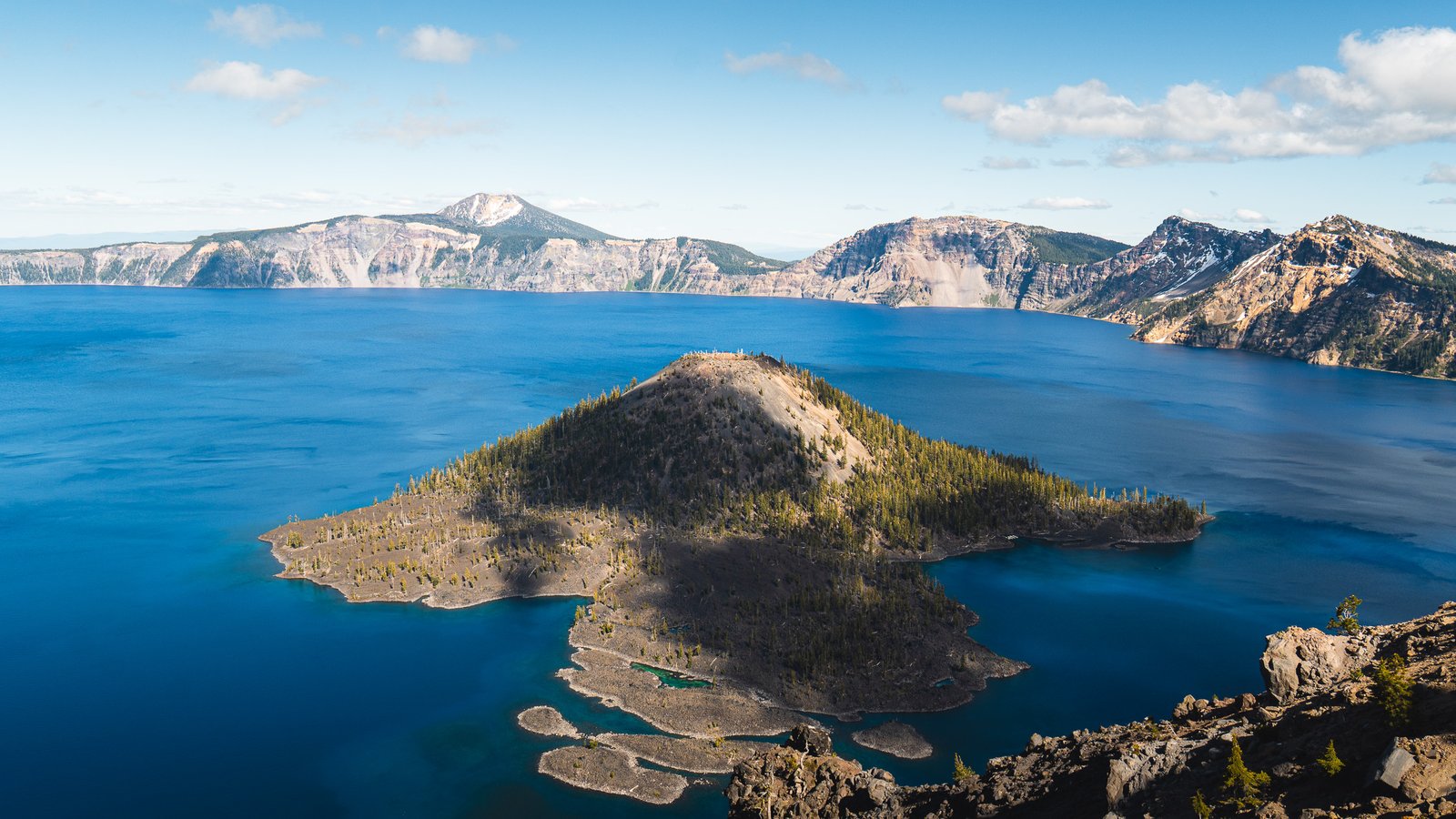
Over the past few months, we’ve started paying much more attention to the marine life around us. We’ve seen sea otters, harbor seals, and sea lions in the wild, especially along the Monterey Peninsula and around places such as Point Lobos and Pacific Grove.
One of the things we appreciated most about the aquarium is that the experience goes far beyond looking at animals through glass. A large part of the visit is about understanding marine ecosystems, why they matter, and why protecting them is so important.
In this guide, we’ll walk you through the main things to see at Monterey Bay Aquarium, our favorite exhibits, how long we think you should spend there, ticket information, and practical tips for planning your visit. And even if you’re not going anytime soon, you can still come along for a virtual tour.
What Is the Monterey Bay Aquarium?
One of the main reasons we wanted to visit Monterey Bay Aquarium is that it is not presented simply as a place to see marine animals. Conservation, education, research, and ocean protection are a major part of its identity.
The aquarium’s mission is to “inspire conservation of the ocean,” and its work includes scientific research, wildlife rehabilitation, education, and broader efforts to protect marine ecosystems.
That conservation work also extends far beyond the building itself. One of the best known examples is its Sea Otter Program, which rehabilitates sick, injured, and orphaned southern sea otters and has pioneered the use of surrogate mothers to help rescued pups learn the skills they need before being released back into the wild.
Monterey Bay itself is also a special place. The coastline sits within the Monterey Bay National Marine Sanctuary, a huge protected marine area with a remarkable range of ecosystems. That connection makes the aquarium especially interesting when you are already exploring the Monterey Peninsula. Many of the habitats and animals you learn about inside are part of the natural environment just outside its doors.
What to See at Monterey Bay Aquarium
Monterey Bay Aquarium is large, with exhibits spread across different galleries and floors, so we recommend allowing several hours if you want to explore it without rushing.
Paper visitor guides are available at the entrance, and you can also check the official Monterey Bay Aquarium map before your visit.
Below are some of the exhibits that stood out most to us and what you can expect to find in each one.
Kelp Forest
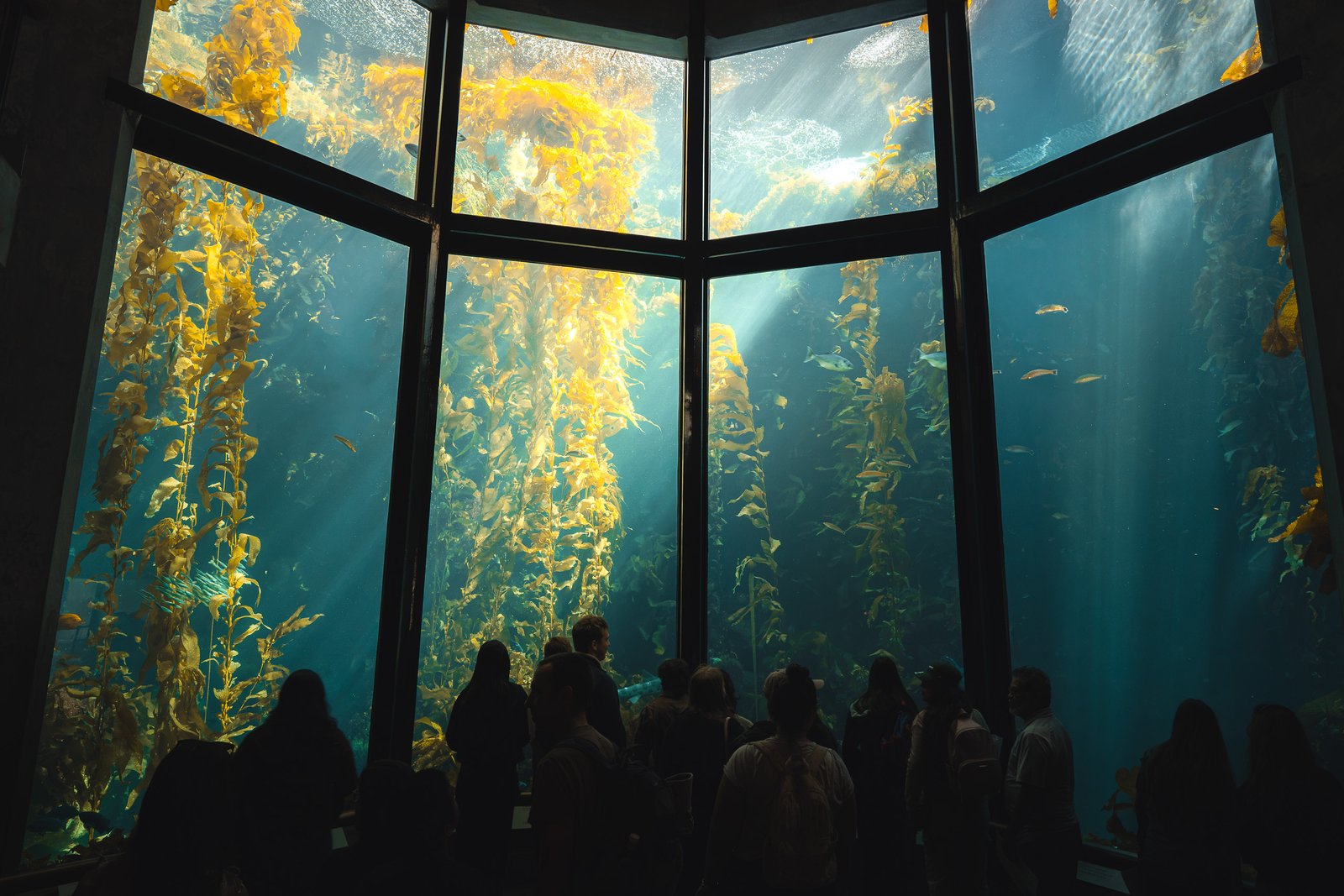
This was easily one of our favorite exhibits, which is funny considering that at first glance it is essentially a giant forest of seaweed.
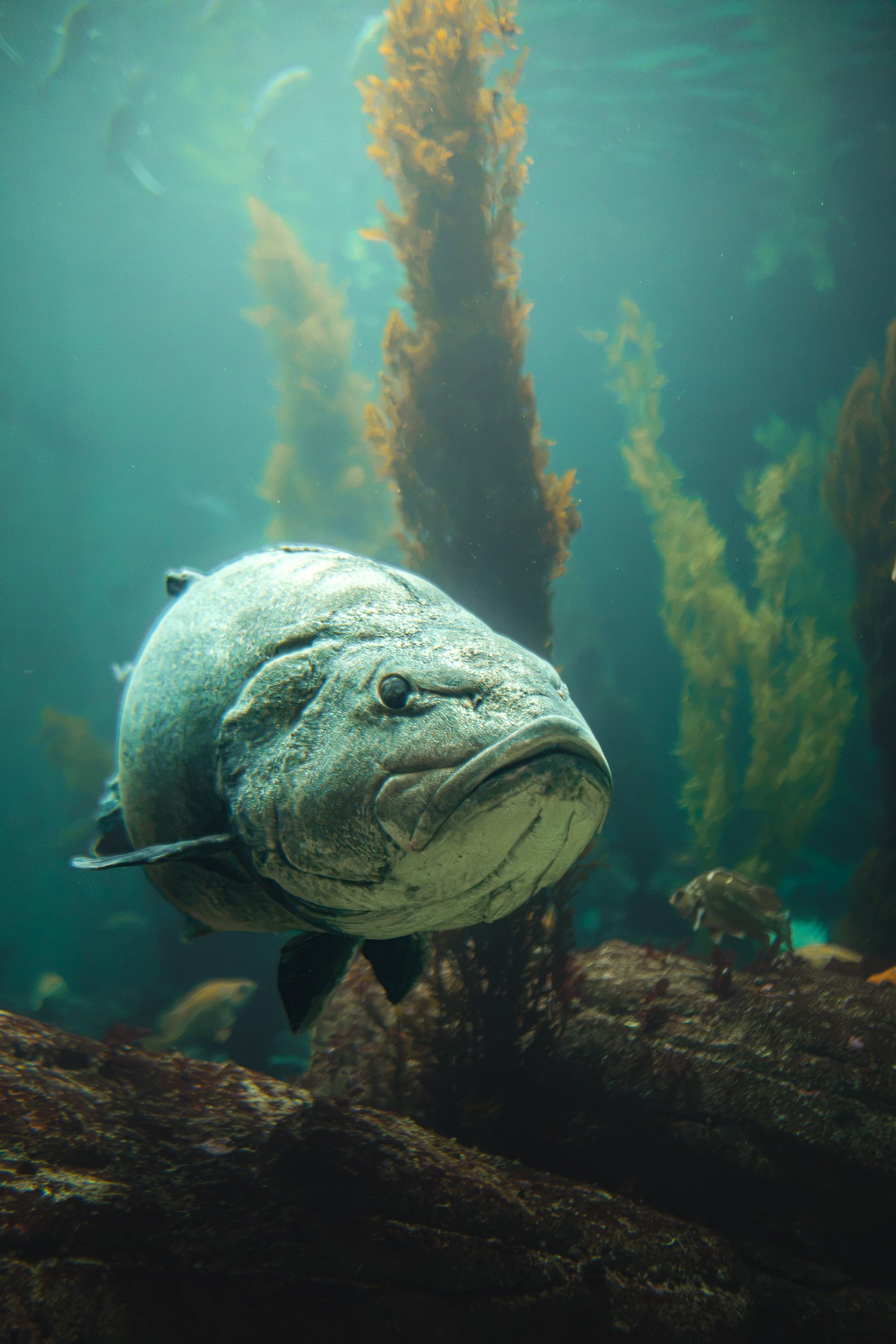
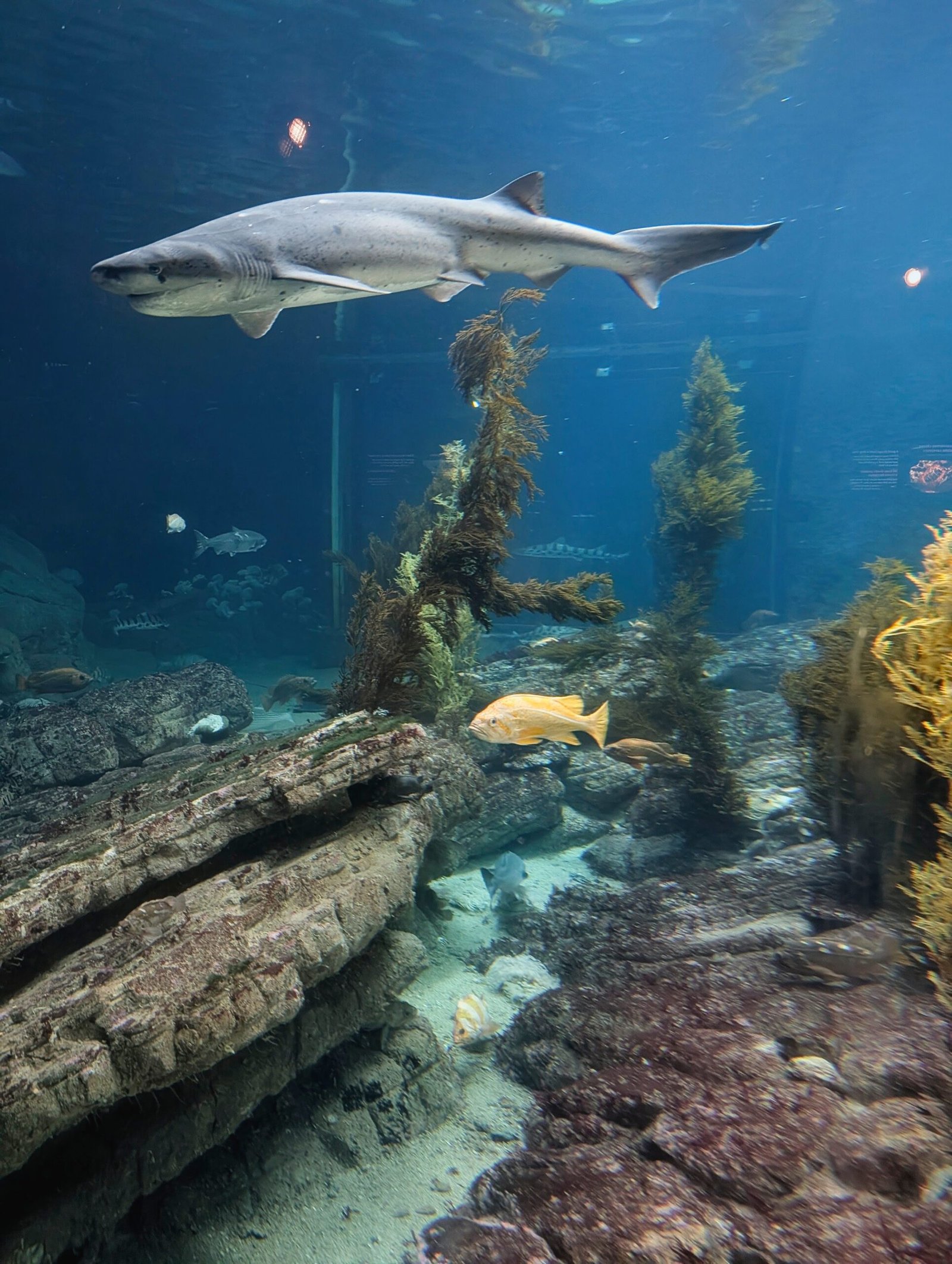
The Kelp Forest exhibit recreates one of California’s underwater kelp ecosystems inside a roughly 28 foot tall tank, or about 8.5 meters. You can see species such as sardines, leopard sharks, rockfish, sea stars, sea cucumbers, and many others moving between the towering kelp. It was fascinating to see how kelp provides both food and shelter for an entire ecosystem, especially because these forests are such an important part of the California coast and Monterey Bay.
Sea Otters
Sea otters were probably the animals we were most excited to see. We had already spotted them in the wild from a distance at Point Lobos and along the Monterey coast, and we were especially interested in learning more about the aquarium’s work with them.
The Sea Otter Program works with orphaned, sick, and injured southern sea otters. One of its most interesting approaches is pairing orphaned pups with experienced surrogate mothers. The pups learn important survival skills such as grooming, diving, and foraging, and those that can return to the wild are eventually released.
We find sea otters endlessly entertaining. Their incredibly dense fur requires a lot of grooming, so they spend a surprising amount of time cleaning themselves. They almost remind us of oversized cats. Watching them eat is just as fun, since they often float on their backs while handling their food.
The Open Sea
This one is really a must: the Open Sea gallery is one of the most impressive parts of Monterey Bay Aquarium.
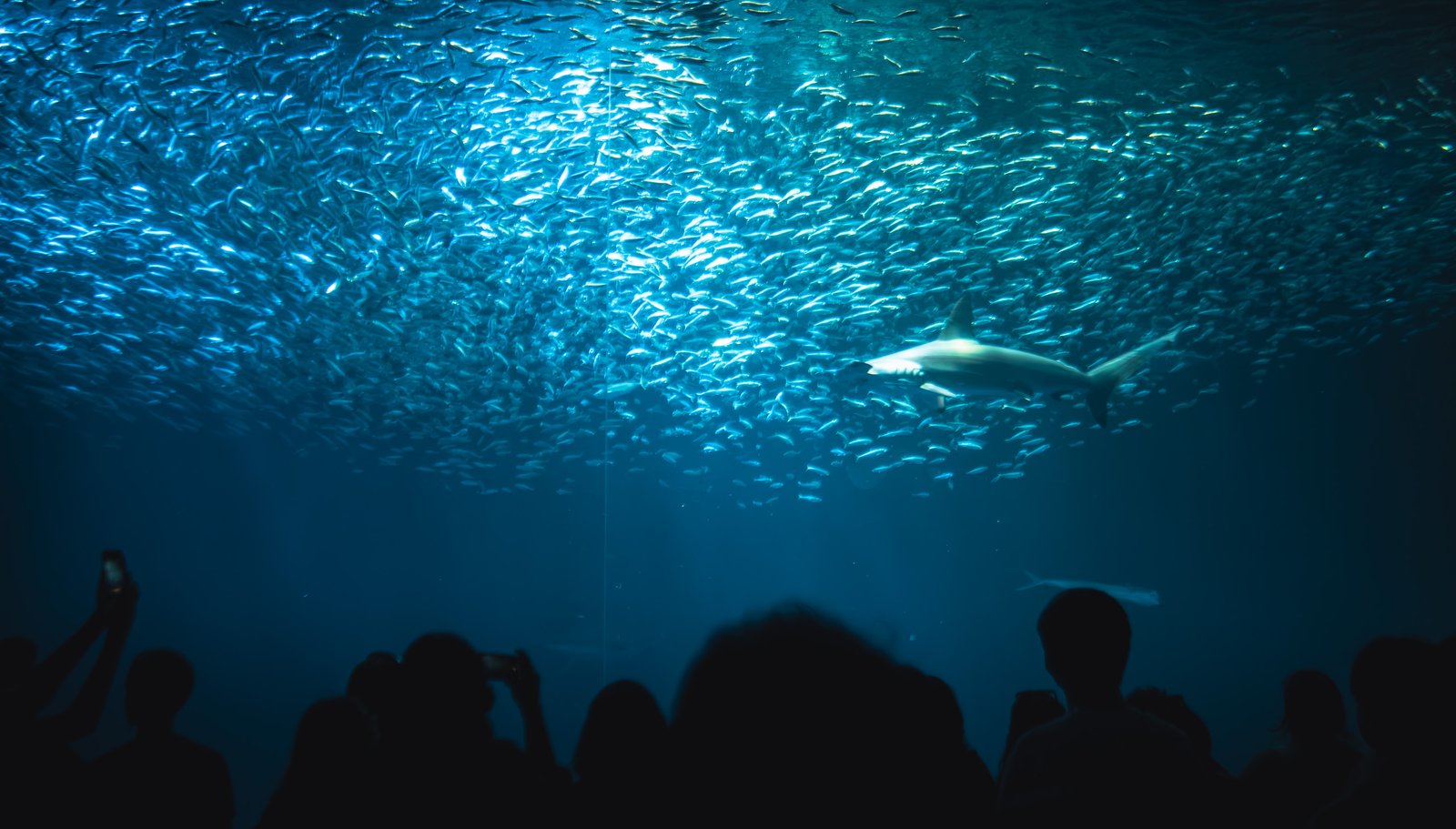
The enormous viewing windows give you a sense of looking into the vast open ocean rather than a traditional aquarium tank. Depending on the exhibit, you may see large schools of fish, jellies, sea turtles, and other species that live in open water.
It is one of those places that makes you realize just how much life is hidden beneath the surface when you look out at the Pacific from shore.
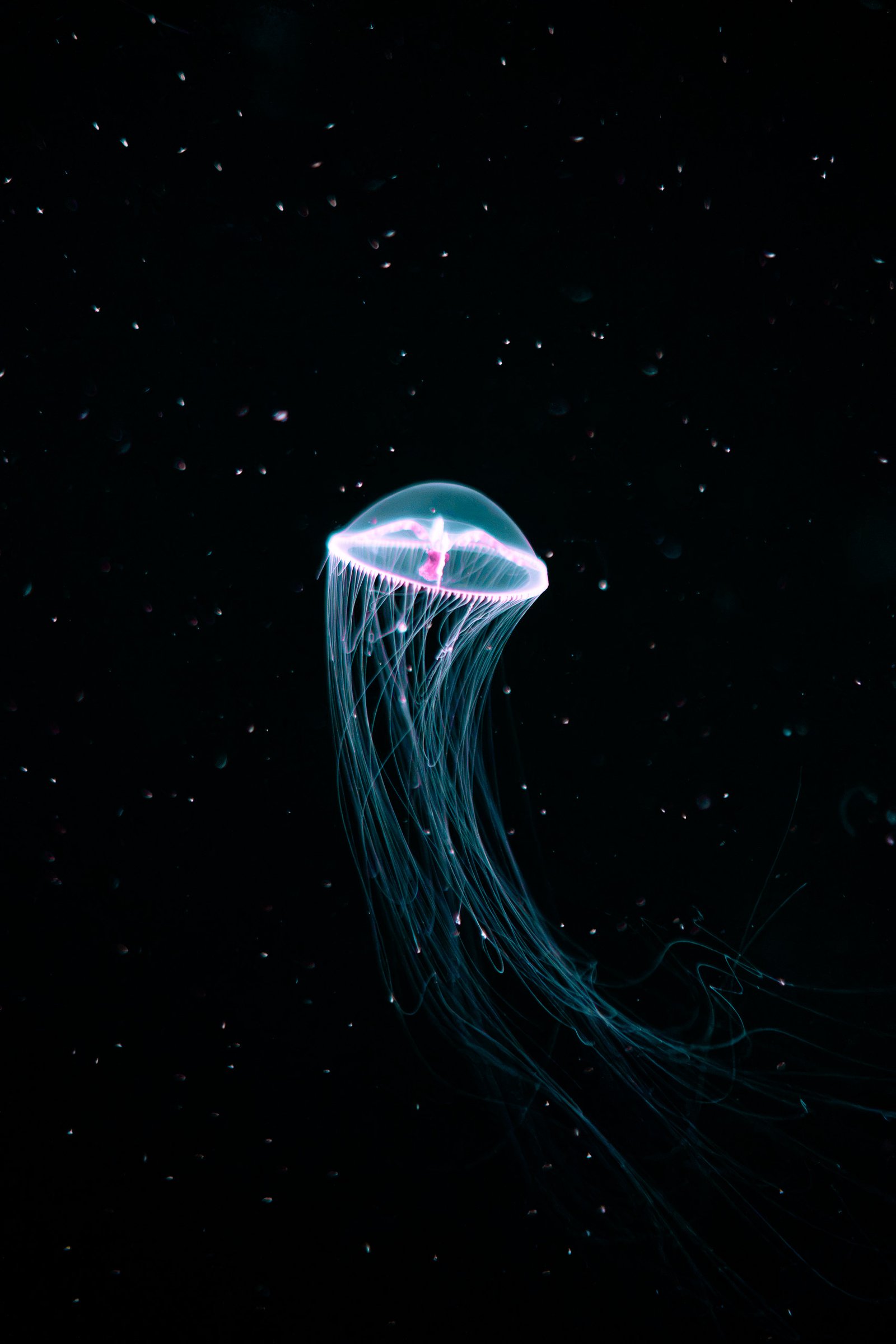
Jellies
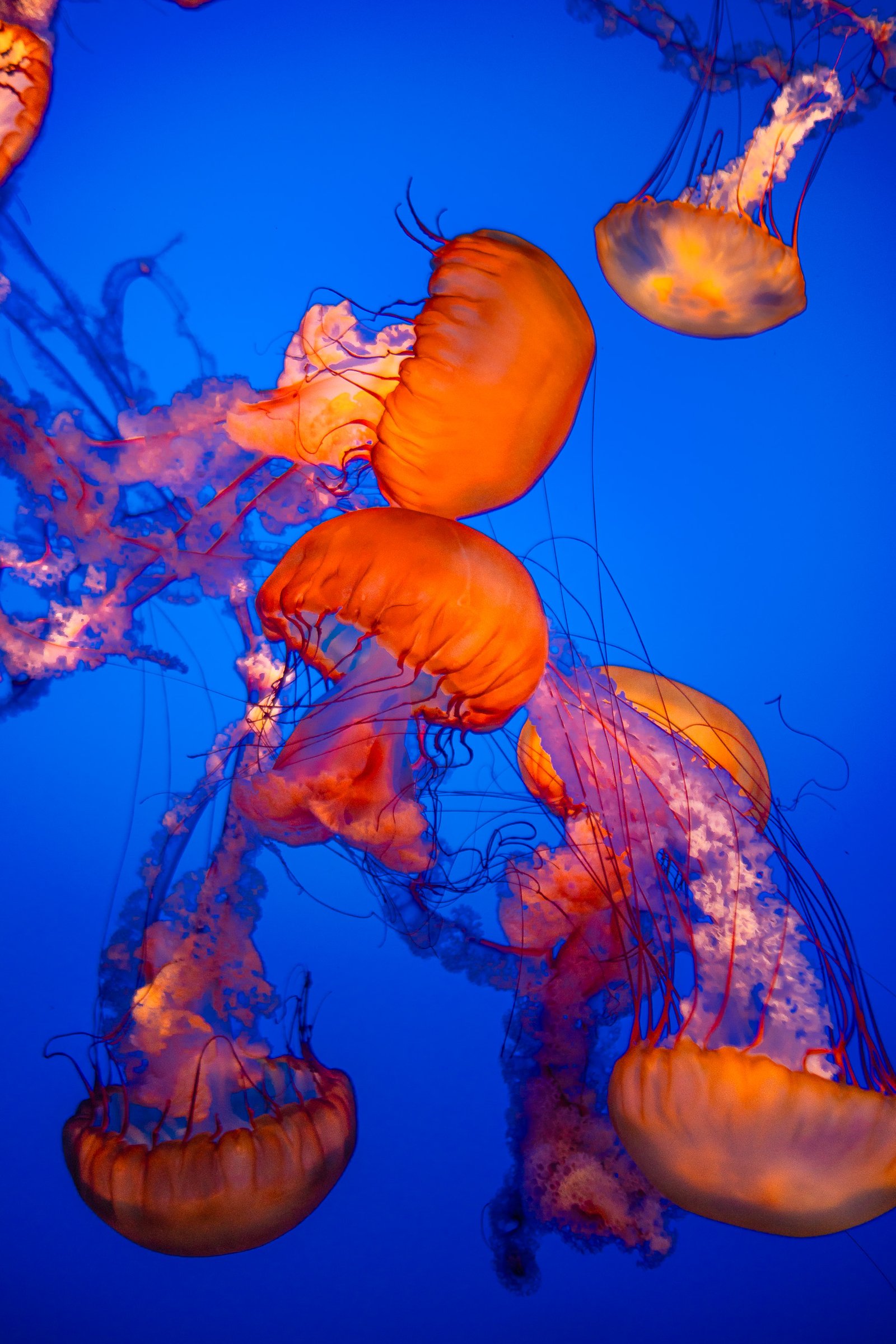
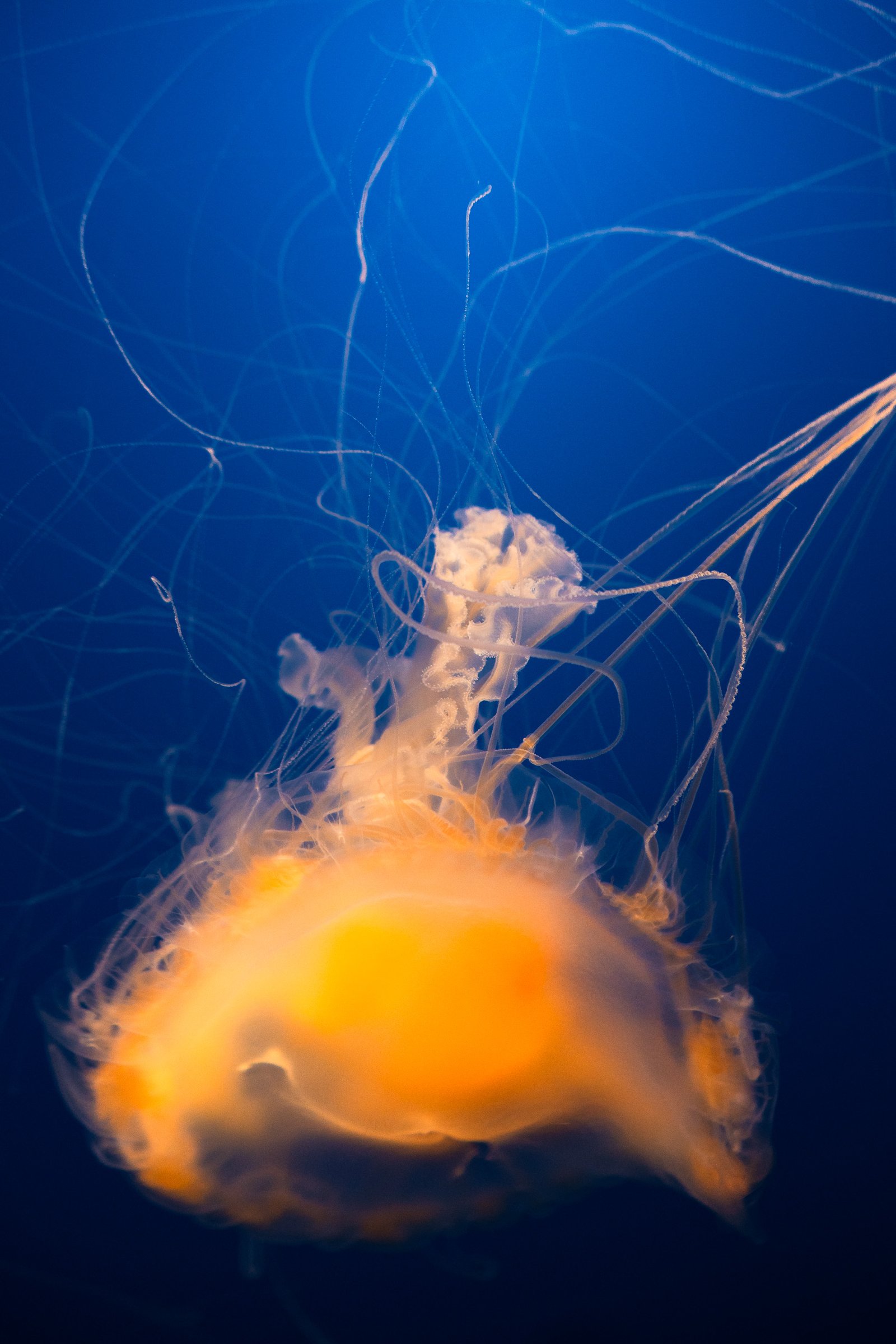
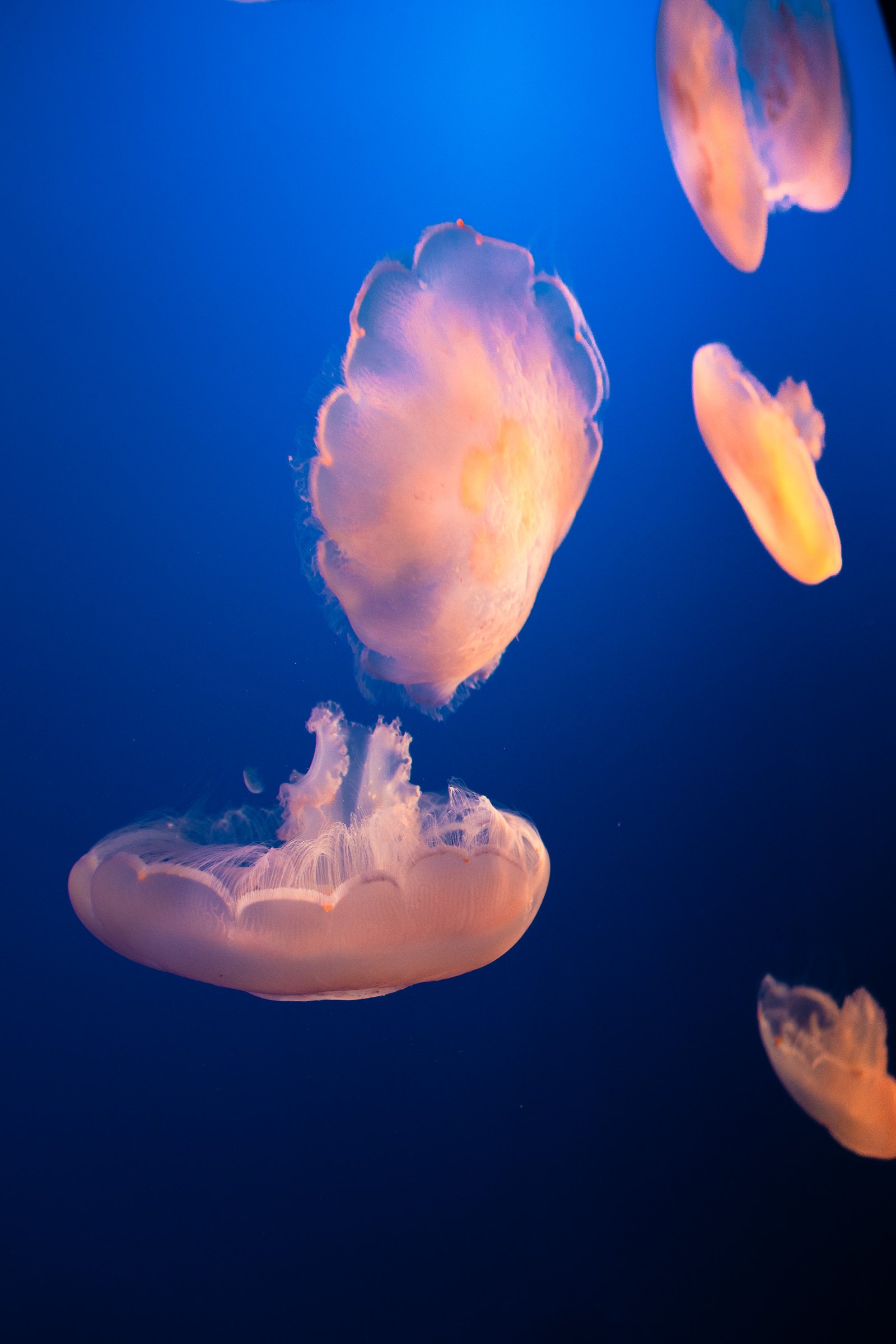
Surprisingly, the jellyfish exhibits were some of the most beautiful areas in the entire aquarium.
There are far more kinds of jellies than we had imagined, with completely different colors, sizes, and shapes. Some species produce light, while others appear almost fluorescent under the exhibit lighting.
You can also see other gelatinous animals that were completely unfamiliar to us. Even if jellyfish are not usually at the top of your list, this is one section we would definitely not skip.
Monterey Bay Habitats
This area was especially interesting to us because it connects directly with what we had already been seeing while exploring the California coast.
The Monterey Bay Habitats exhibit recreates several environments found naturally around Monterey Bay, helping you connect the aquarium experience with the coastline just outside.
Touch Pools
The touch pools make this part of the aquarium much more interactive, which is one reason Monterey Bay Aquarium can be a particularly good choice for families with kids.
In designated areas, visitors can gently touch certain animals and plants under staff supervision. The emphasis is educational, with staff showing visitors how to observe and interact with marine life respectfully.
Seabirds
If you’ve read other posts on our blog, you already know that we love birds. Since moving to California, we’ve discovered many species we had never seen before, including plenty of seabirds.
Don’t skip the seabird area when visiting Monterey Bay Aquarium. It recreates a coastal ecosystem and gives you a close look at species adapted to life between land and sea.
Into the Deep
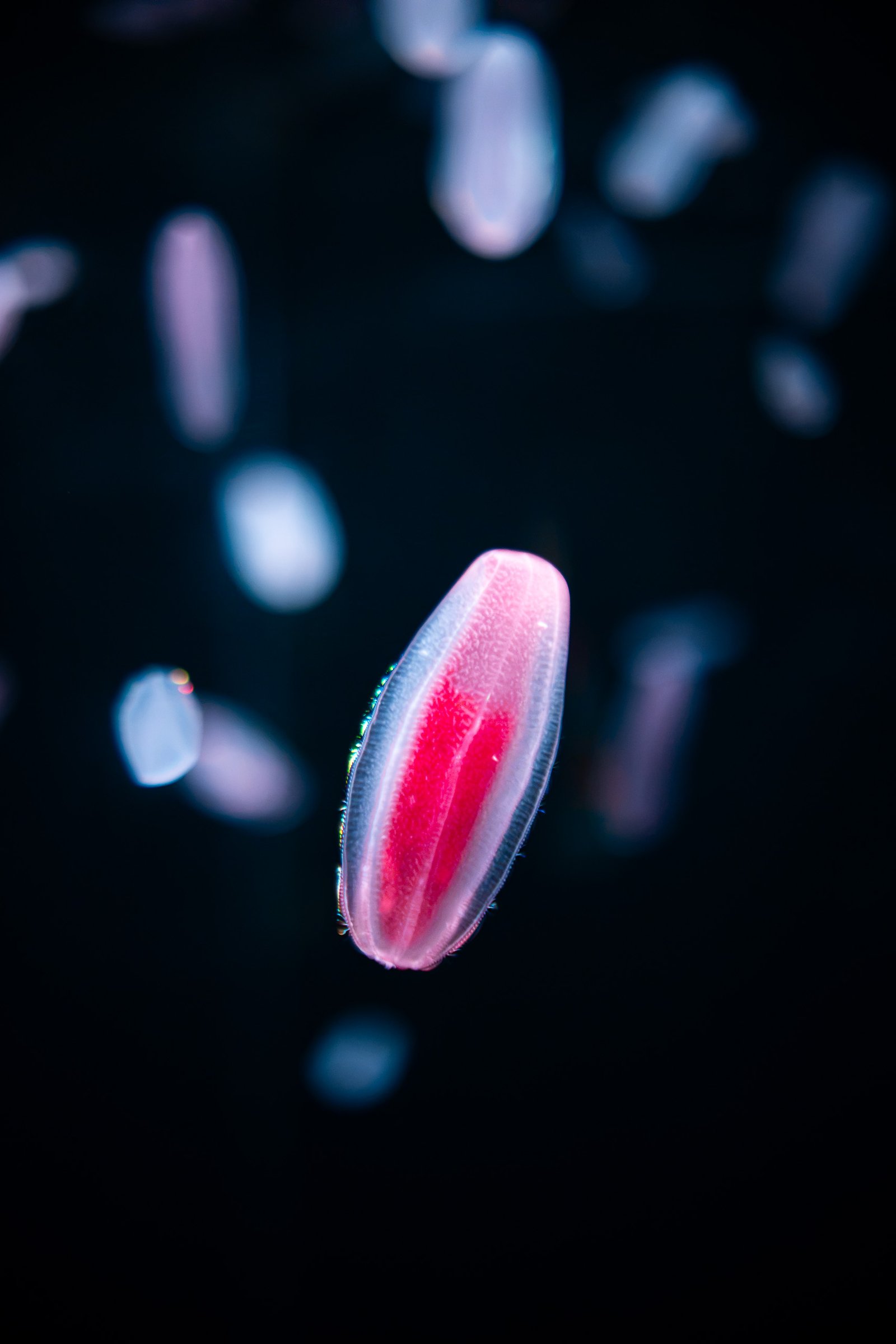
Into the Deep changes the atmosphere completely. Here, instead of staying close to the ocean surface, the exhibit takes you into the deep sea and introduces animals that live under extreme conditions.
Many species that live in the deep ocean have evolved unusual adaptations to survive darkness, cold, pressure, and limited food. It is a fascinating part of the aquarium precisely because most of us would never have the chance to see these animals otherwise.
Tide Pools
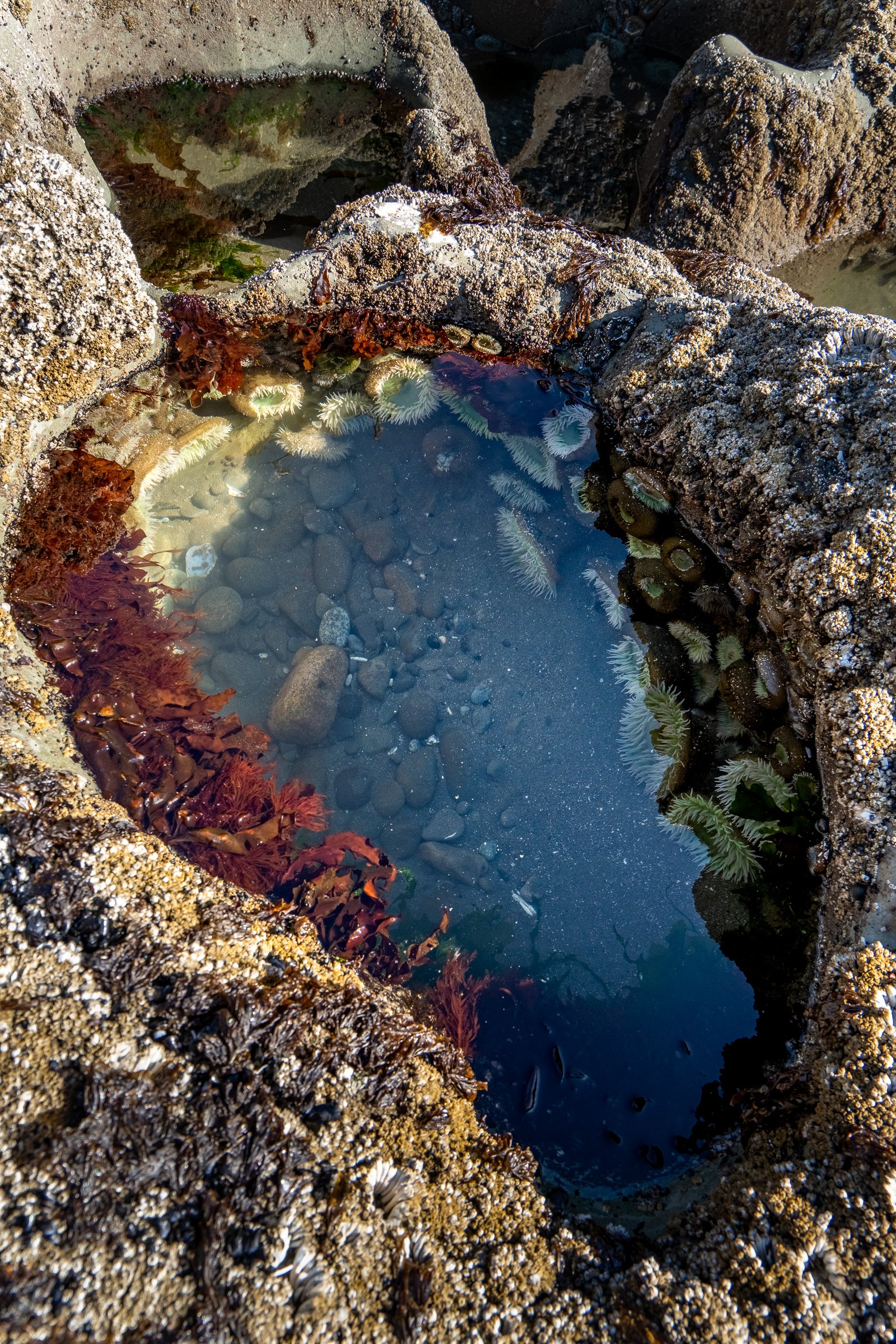
Tide pools are pockets of seawater left behind among rocks as the tide goes out. This section of Monterey Bay Aquarium shows the kind of miniature ecosystems you can find along rocky parts of the California coast, with sea urchins, sea stars, anemones, small crustaceans, fish, algae, and more.
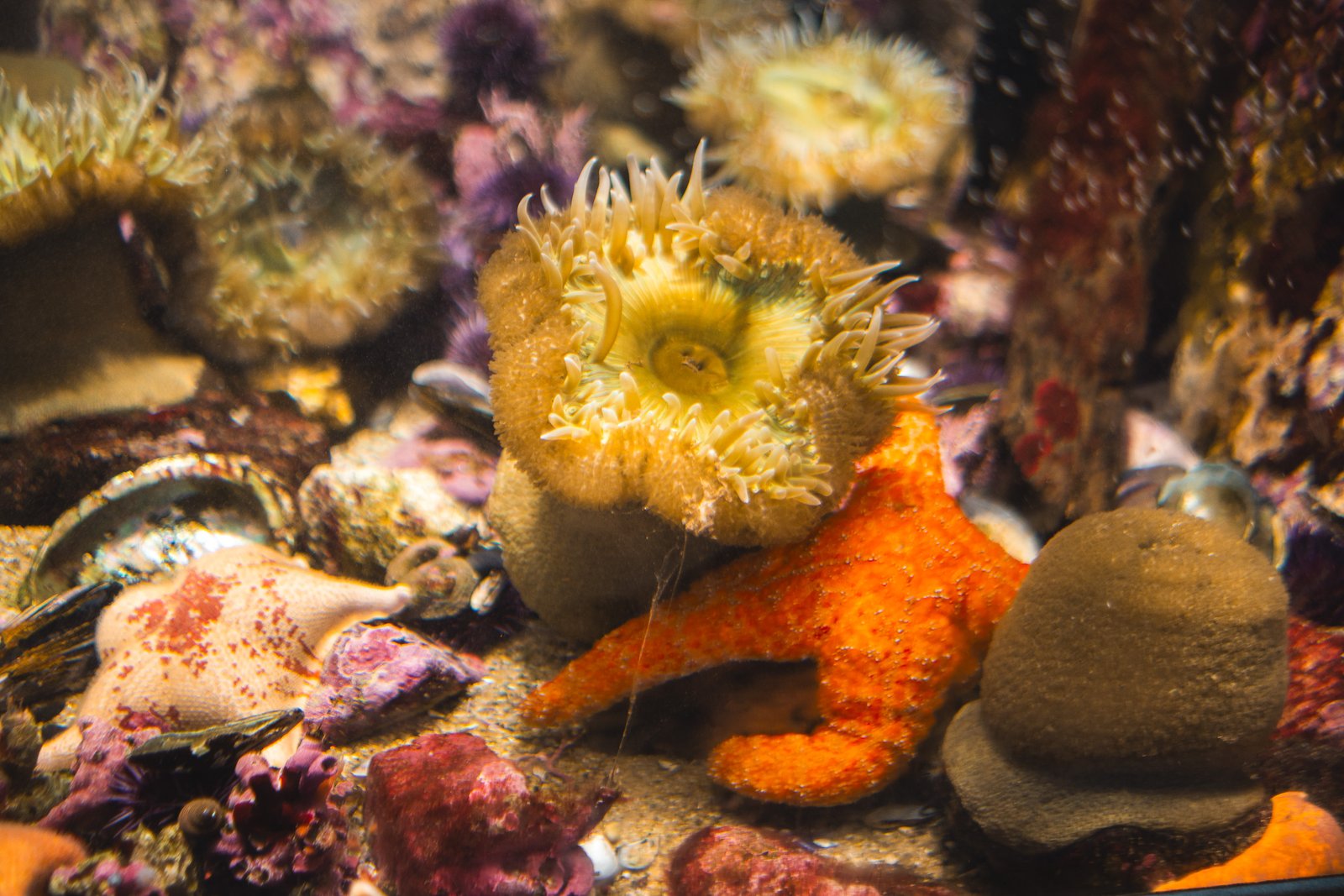
This was particularly interesting for us because we’ve spent a lot of time exploring natural tide pools during road trips along the coasts of California, Oregon, and Washington.
Is Monterey Bay Aquarium Worth It?
In our opinion, yes.
If you enjoy wildlife, nature, and learning about the places you visit, Monterey Bay Aquarium is much more than something to do when the weather is bad. It gives you a chance to understand many of the species and ecosystems that you can also encounter throughout Monterey Bay and along the broader California coast.
After seeing sea otters, seals, and sea lions in the wild, exploring tide pools on our coastal road trips, and slowly learning to recognize some of the species that live in these waters, visiting the aquarium felt especially rewarding.
There is also a strong focus throughout the aquarium on ocean conservation, climate change, plastic pollution, and the ways these issues affect marine ecosystems.
We left feeling like we had learned a lot and even more excited to keep exploring the California coast.
Monterey Bay Aquarium Tickets and Prices
As of August 2026, general admission is $65 for adults ages 18 to 69. Youth tickets for ages 5 to 17 are $50, and senior tickets for ages 70 and older are also $50.
There is no getting around it. Monterey Bay Aquarium is expensive. Still, if you are planning a California trip and will already be spending time in Monterey, Carmel, Big Sur, or the San Francisco Bay Area, we think it can be worth budgeting for, especially if marine wildlife interests you.
You can check current prices and purchase tickets on the official Monterey Bay Aquarium ticket page. We recommend buying in advance, particularly for weekends, holidays, and busy travel periods.
Important: ticket prices, entry conditions, and special programs can change, so always verify the latest information on the official website before your visit.
Visiting Monterey Bay Aquarium With Kids
We visited without children, so we can’t review the experience from a parent’s perspective. That said, we noticed plenty of spaces designed to make younger visitors active participants rather than just spectators.
The Touch Pools allow kids to interact with certain marine animals and plants under supervision, and the aquarium also runs educational programs, animal feedings, and other interactive activities. Sea otter and seabird feedings, for example, can be a fun way to combine entertainment with learning.
What we liked is that the emphasis is not simply on touching animals for entertainment. Staff encourage visitors to observe marine life carefully and interact with it respectfully. These experiences are clearly designed with children in mind, but adults can learn plenty from the aquarium staff too.
Practical Information: Location, Hours and How Long to Spend
Monterey Bay Aquarium is located at 886 Cannery Row, Monterey, CA 93940, right on Monterey’s waterfront.
Opening hours and the daily schedule can vary, so check the official hours and schedule before you go. The schedule is also useful for planning around sea otter feedings, seabird feedings, talks, tours, and other programs.
How long should you spend at Monterey Bay Aquarium? The aquarium itself recommends planning around three to four hours. We spent almost five hours there and never felt like we were stretching the visit, so we would personally allow 3 to 5 hours depending on how much you enjoy stopping to read exhibits, watch feedings, and take photos.
What to Do After Visiting Monterey Bay Aquarium
One of the best things about visiting Monterey Bay Aquarium is that you do not need to get back in the car to keep enjoying the marine environment.
Monterey Bay is incredibly rich in wildlife, and after leaving the aquarium you can continue walking along the coast toward Pacific Grove.
Along the way, keep an eye out for sea otters, California sea lions, harbor seals, and seabirds. With a bit of luck, you may even spot whales farther offshore.
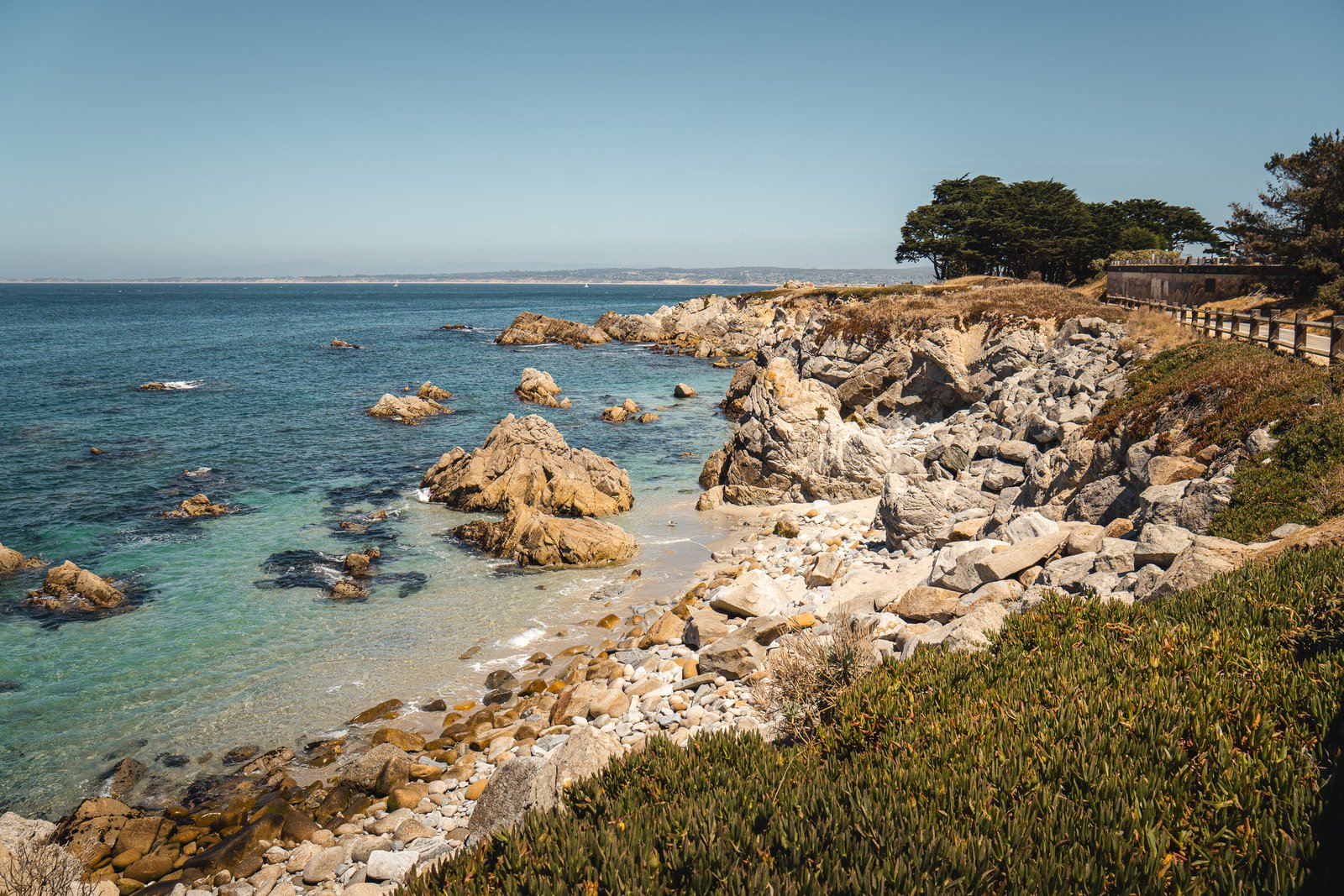
If your visit lines up with low tide, it is also worth heading to one of the rocky shoreline areas around the Monterey Peninsula and exploring the natural tide pools. Depending on conditions, you may find sea stars, urchins, anemones, small fish, and other animals similar to the ones you just learned about inside the aquarium.
For us, that connection is one of the best things about visiting Monterey. You can learn about these ecosystems inside the aquarium and then step outside and see parts of the same natural world along the California coast.
We hope this Monterey Bay Aquarium guide helps you plan your visit and decide whether it’s worth adding to your California itinerary.
See you on the road!